Redzone Drone Racing’s Winter Weekend Race 3 highlights Christchurch home track
Redzone’s Burwood track logged its 6,280th race and 64,739th lifetime lap as Winter Weekends Race 3 kept Christchurch’s FPV scene on a fixed home course.
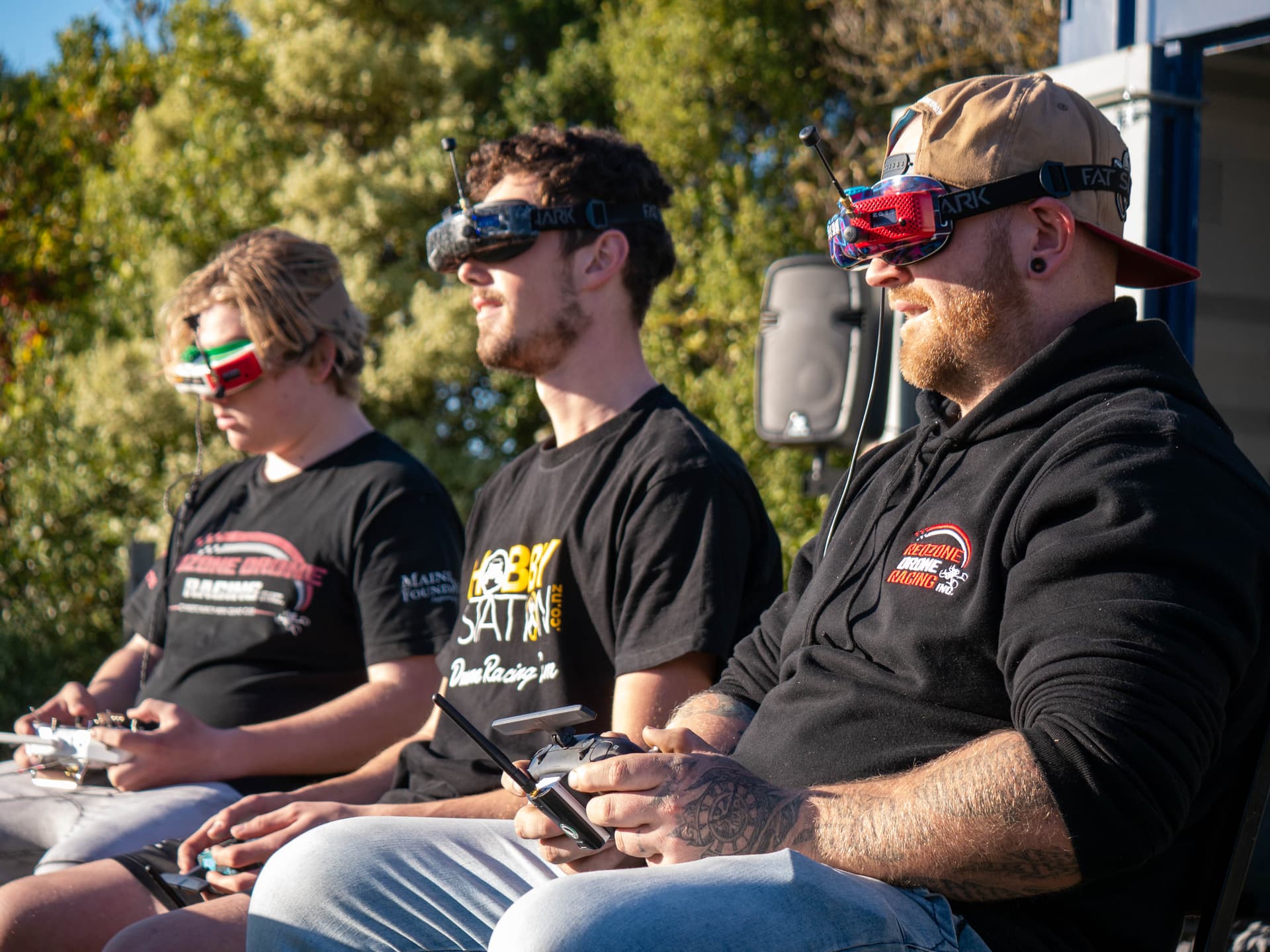
Redzone Drone Racing’s Winter Weekend Race 3 showed why a permanent track matters in a sport built on repetition, precision and pressure. At Burwood’s 5 Rebecca Avenue, the Christchurch club kept its Saturday series moving with another meet that ran through qualifier rounds 1 to 10, then into overall results and rankings, the kind of full-event flow that only comes from a venue used week after week.
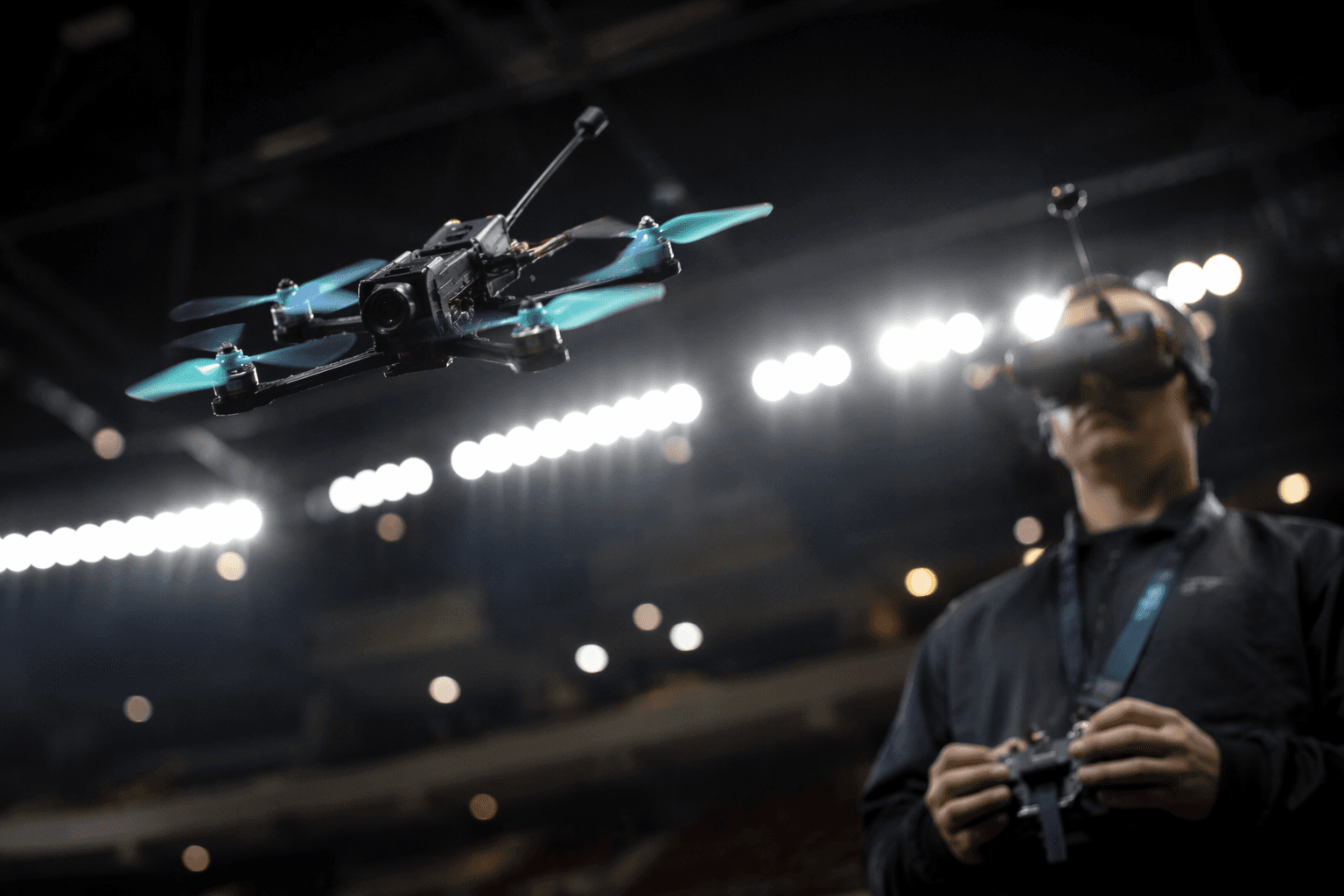
The format is built to reward control before speed. Outside daylight savings time, Redzone runs Winter Weekends every fortnight on Saturdays from 10:30 a.m., with qualification based on the top two consecutive fastest laps. Finals then shift to head-to-head racing, where the first pilot to complete three laps advances. In a class where drones can hit about 160km/h in a straight line and around 100km/h through corners, that structure leaves little room for luck.

The numbers behind the club underline how established the Burwood course has become. Redzone’s LiveFPV page lists 64,739 lifetime laps, 260 practice sessions, 6,280 races, 2,500 entries and 312 events. That volume gives Christchurch something many drone-racing clubs still lack: a true home track with a steady cadence of racing, practice and results that local pilots can build around.
Redzone opened the course as a purpose-built race site in the Christchurch red zone by February 2021, on Crown-owned land it leases from Land Information New Zealand. The location sits inside the Ōtākaro Avon River Corridor, a 600-hectare stretch that once housed about 9,000 people before the earthquakes and has since become a testing ground for transitional uses. LINZ says it has facilitated more than 2,800 such land uses in Christchurch’s former red zone since 2016.
That larger land-use story has helped make Redzone more than a pop-up club. Regenerate Christchurch unveiled an 86-page regeneration plan for the corridor in 2019, Christchurch City Council later signaled $316 million in spending over 10 years, and $40 million was proposed for a green spine. Against that backdrop, Redzone’s racecourse has become one of the more durable sporting tenants in the area.
The club has also pushed the envelope on the sport itself. It was the first in New Zealand to trial night racing with LED-lit gates, another sign that the Christchurch scene is not just surviving in the red zone but developing into a more complete competitive hub. With the annual NZ Open drawing pilots from around New Zealand and sometimes Australia, Redzone’s regular winter racing gives local competitors the continuity they need to stay sharp between marquee events.
This article was produced by Prism’s automated news system from verified source data, official records, and press releases, then run through automated quality and moderation checks before publishing. The system is built and supervised by the people who set the standards it runs under. Read our full AI policy.
Did this article answer your question?