Rocket Drones launches school FPV simulator challenge with live leaderboard
RocketAlex leads Rocket Drones’ May simulator race as schools across the country chase a new FPV track. The leaderboard is becoming a talent map for the next live-airframe pilots.
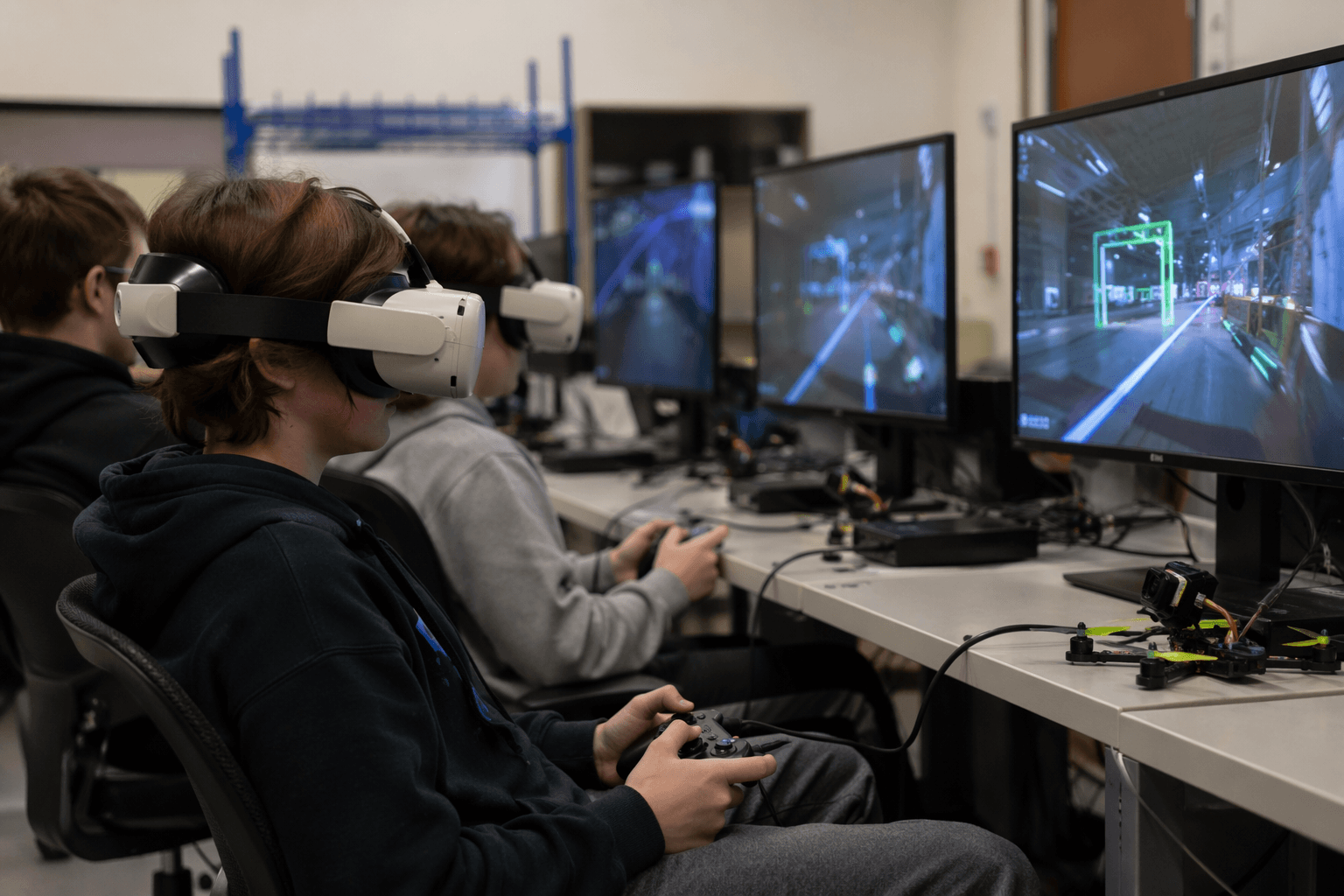
RocketAlex opened May on top of Rocket Drones’ school FPV simulator leaderboard, and that fastest-lap mark on Rocket CityScape #1 is doing more than crowning a monthly winner. It is showing which schools are producing the sharpest manual pilots before those students ever strap into real airframes.
Rocket Drones’ simulator challenge runs as a monthly competition across participating schools, with a new track released each month and bragging rights and prizes attached to the fastest lap. In May, the pecking order was clear early: RocketAlex sat first, followed by JoyfulCopperEagle, Stone Mason and SwiftGreenPetrel. For a program built around head-to-head development, that kind of live leaderboard matters because it turns classroom repetition into a measurable race against the rest of the country.
The company has built the simulator around a progression-based training pathway aimed at grades 6-12, and it says the broader education system reaches from elementary school through high school. That makes the May board less like a standalone game table and more like a scouting sheet for the next wave of student pilots. Students are not only chasing faster laps; they are learning manual piloting and race craft in a controlled environment designed to mirror real flight demands.
That pipeline was on display at the National Student Drone Competition, held April 30-May 1, 2026, at the U.S. Space & Rocket Center’s Space Camp in Huntsville, Alabama. The event was presented in partnership with the U.S. Space Force and stretched well beyond racing, with Dynamic Landing Challenge, Drone Basketball Shootout, Drone Delivery Challenge, line-of-sight and FPV racing, tiebreaker rounds, a career insight panel and an awards ceremony. The mix of formats underscored how quickly the sport is widening from pure speed into broader drone skill sets.
Rocket Drones says every school in its network receives free training, curriculum and competition prep at no cost, a detail that helps explain why the leaderboard can scale nationally so fast. With classroom kits, competitive racing programs, certification training and an industry-readiness pitch built into the model, the company is using simulator laps to feed a real talent pipeline. May’s standings were not just another update on a school screen; they were a snapshot of who may arrive at the live races already looking race-ready.
Know something we missed? Have a correction or additional information?
Submit a Tip