Southeast Aerial Drone Championship brings teamwork and precision to UAH
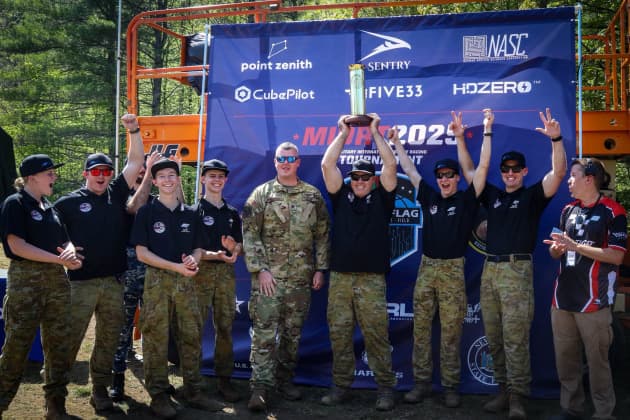
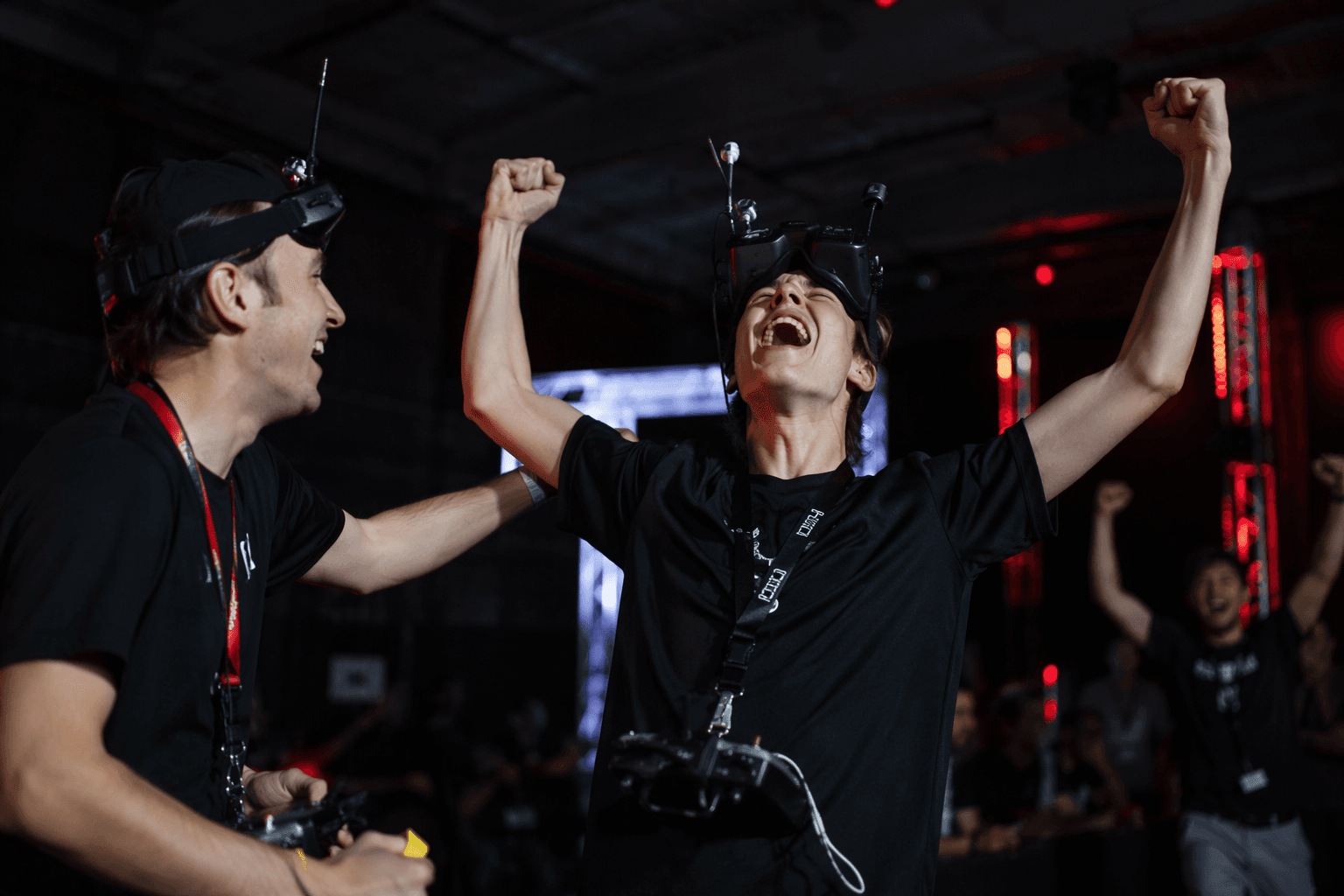
At Spragins Hall, strangers had to race as one unit, with teamwork and split-second communication deciding Huntsville’s regional drone championship.
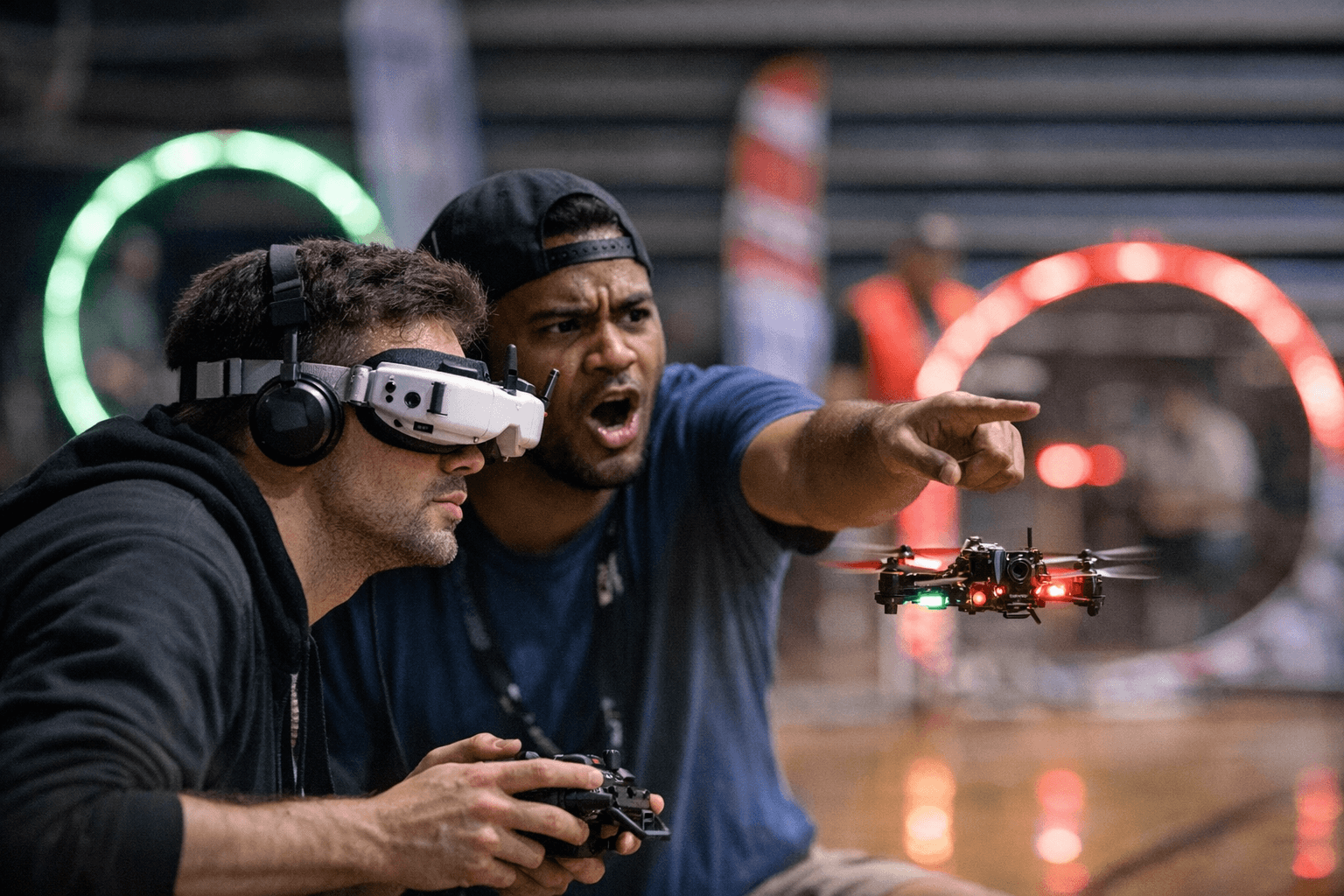
Spragins Hall turned into a drone arena at the University of Alabama in Huntsville, where middle and high school teams from across the Southeast gathered for a regional championship built as much on coordination as on speed. The event ran April 17-18 on the UAH campus, was free and open to the public, and placed scholastic drone racing in a setting where every run depended on timing, planning and trust under pressure.
The Southeast Aerial Drone Competition is built around four missions: Teamwork, Piloting Skills, Autonomous Flight Skills and Communications. The Teamwork Mission is the clearest sign that this is no solo pilot’s test, because two teams work on the same field at the same time. With the Robotics Education & Competition Foundation recommending teams of three to five students, the format forces students to divide responsibilities, stay organized and adapt quickly when the field changes.
That structure matters because the regional championship sits at the top of the event ladder in each region. Mission 2026 rules were released on September 9, 2025, local qualifying events ran from October 2025 through March 2026, and regional championships were scheduled from April through June 2026. U.S. regional championships have to land between April 10 and June 5, and the format requires an award ceremony that recognizes both the Teamwork Mission Champions and the All-Around Champion after the final match. With a $200 season registration fee, the competition has also become a real commitment for school programs that are trying to build technical depth on a budget.
Organizer Rodney Williams said the pressure comes from asking students to work with partners they have never met, coordinate across state lines and agree on a plan in a hurry. That is what gives the Huntsville event its edge: the fastest drone does not automatically win if the team cannot communicate, assign roles and execute cleanly. Cypress Lake High School’s Oren Philpott felt that stress firsthand, describing the unfamiliar lineup as manageable only when everyone stayed calm and focused.
The broader lesson from Huntsville is that drone racing at the scholastic level has matured into a team sport with real competitive standards. The event rewarded coding, piloting, documentation, problem-solving and communication as much as reflexes, and it pushed students toward the kind of collaboration that mirrors engineering and technology work beyond the classroom. In Huntsville, regional titles were decided by execution, and that made the weekend feel like a glimpse of where the sport is headed next.
This article was produced by Prism’s automated news system from verified source data, official records, and press releases, then run through automated quality and moderation checks before publishing. The system is built and supervised by the people who set the standards it runs under. Read our full AI policy.
Did this article answer your question?