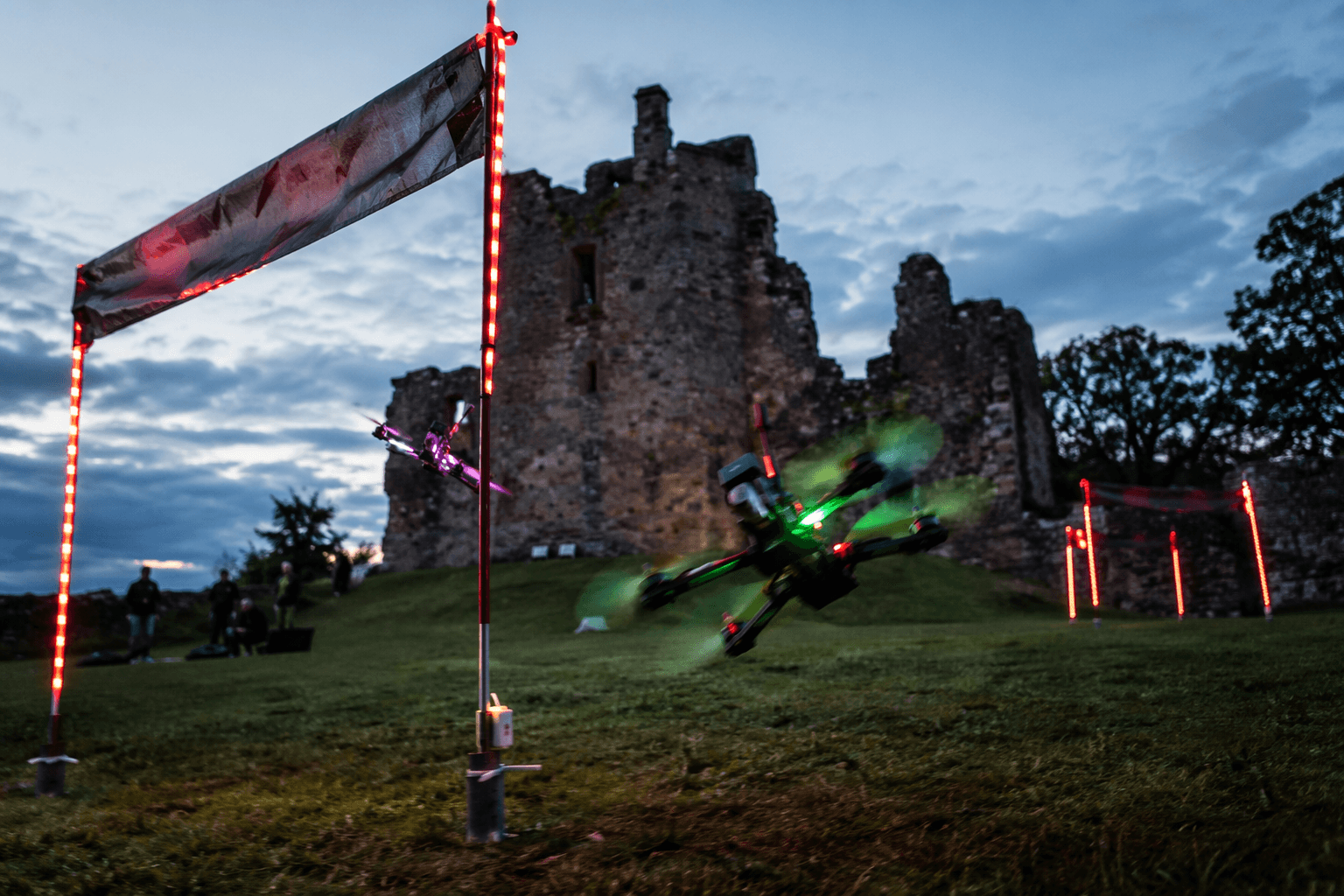
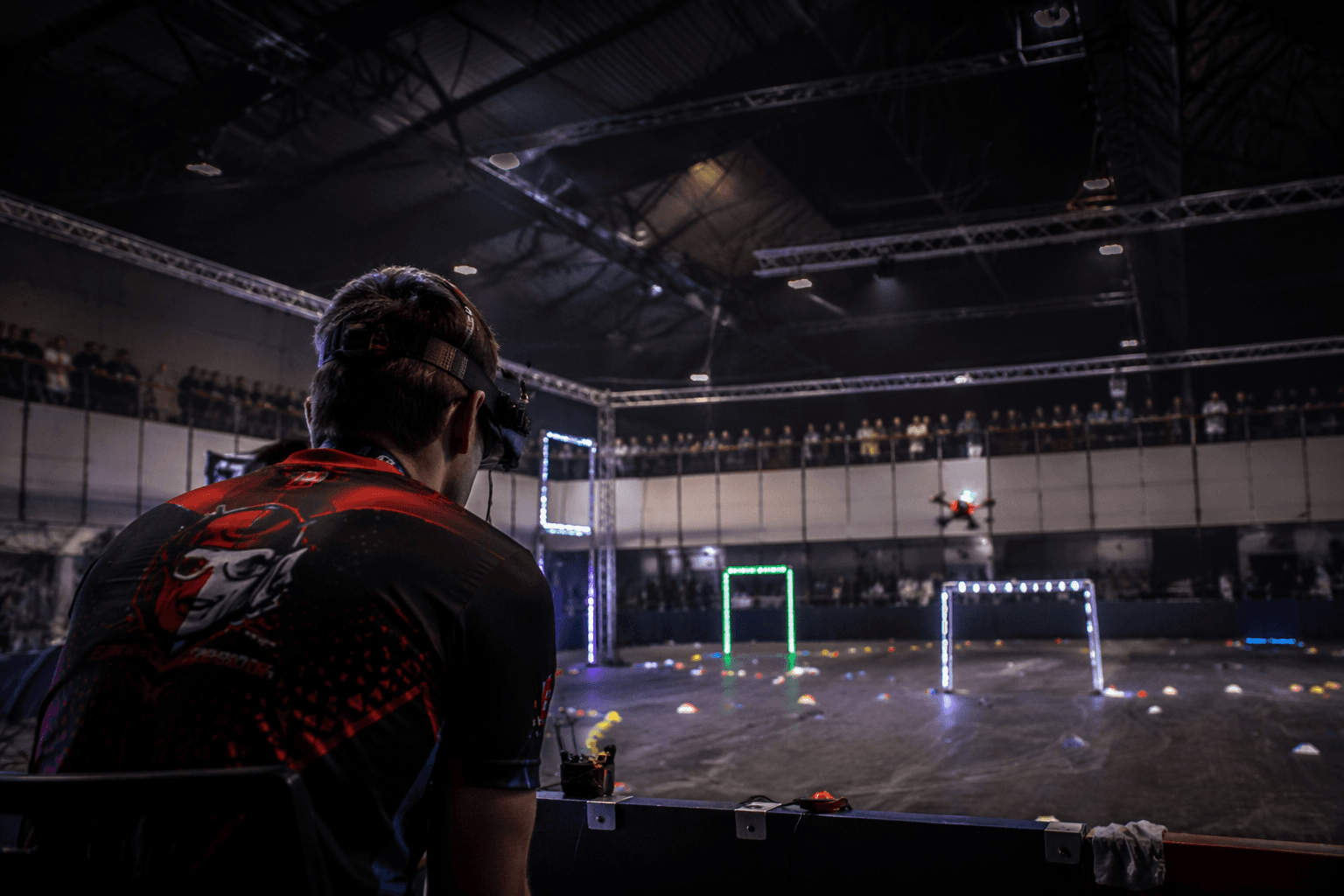
Student AirRace Munich challenge tests student drones and mission skills
Gadir FPV Racing won the Rapid Response Challenge by flying the cleanest mission runs while rivals wrestled with optional autonomous landings.
The Rapid Response Challenge 2026 turned student drone racing into a mission test, not just a speed contest. At the model airfield in Ismaning, 40 students from five teams spent three days on a simulated humanitarian mission where every run was judged across mission time, an optional autonomous landing, report quality, cost efficiency and extra challenges, with a maximum of 120 points on the line.
The field brought together Beovavia from Belgrade, TUM Drone Racing Club from Munich, UPC ATLAS from Terrassa, Gadir FPV Racing from Cádiz and Avis Medica from Sofia. EUROAVIA München hosted the event, and local aerospace companies raised the stakes by backing the weekend with funding, equipment and engineers on site, a reminder that this competition is as much about building a reliable system as it is about piloting one. In a format like this, a drone has to survive scrutiny before it ever gets to the course.
That pressure showed up most clearly in the autonomous landing challenge. Wind, vibration and changing light exposed systems that looked sharp in the lab but broke down once the field conditions changed. The optional nature of the challenge gave teams room to choose their own risk profile, and Gadir FPV Racing made the clearest call of the weekend. By skipping the autonomous leg, the Cádiz team kept its machine leaner and more reliable, then delivered clean runs that were faster than the rest of the field to take first place.
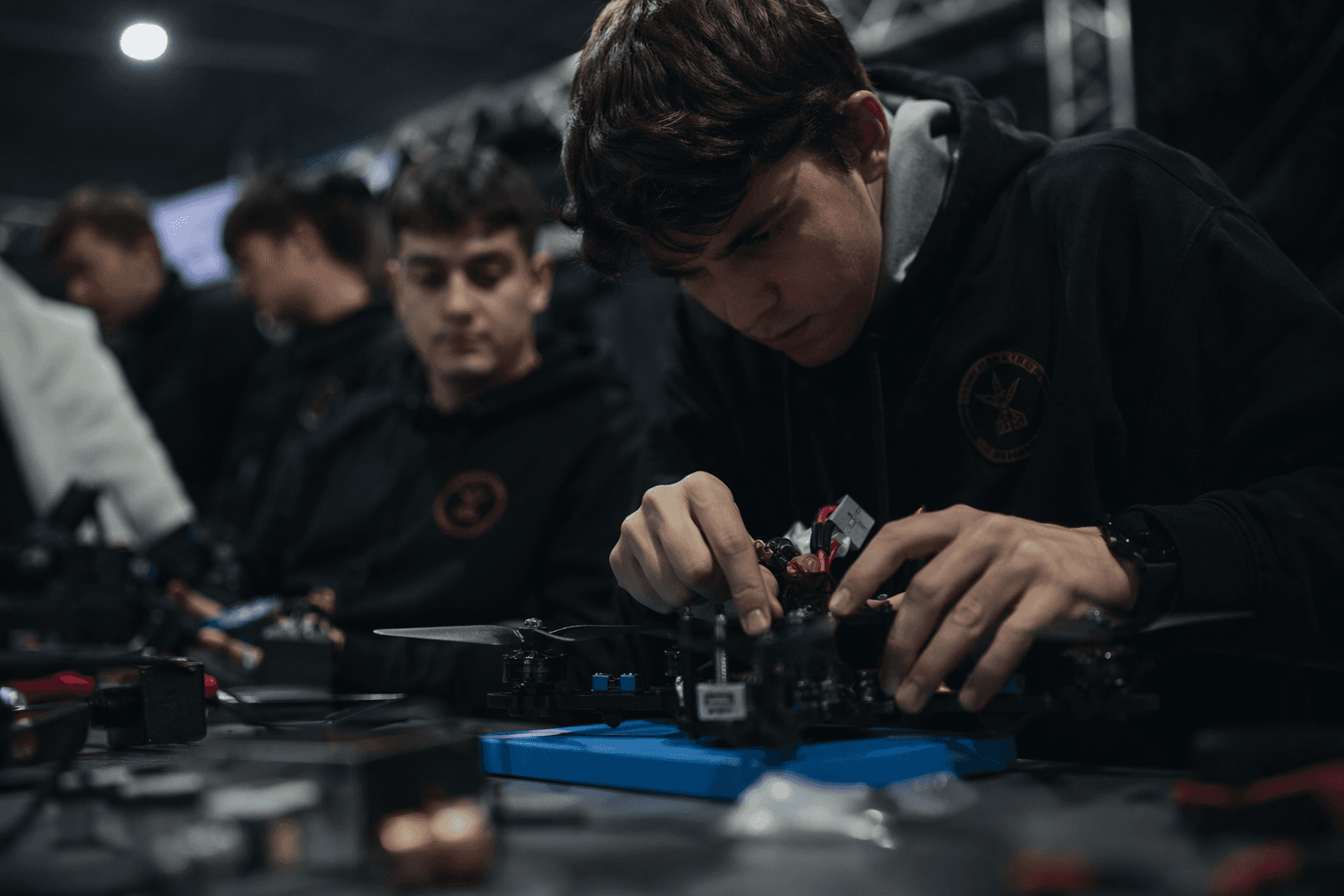
The result fit the event’s bigger message, which Student AirRace and EUROAVIA framed as “Racing with Purpose.” The format rewarded discipline as much as aggression, and it gave every team a way to measure how well its engineering held up under mission-style pressure. Student AirRace says it has been integrated into the EUROAVIA München board since 2025 and flies in the EASA A3 class, where a drone built to its regulations can reach about 180 kph and roughly four g acceleration.
The next Student AirRace event is planned for October, with an announcement due in June. Applications for the next Rapid Response Challenge are set to open in June 2026, setting up another round where the fastest drone will not necessarily be the winner unless it can also finish the mission.
This article was produced by Prism’s automated news system from verified source data, official records, and press releases, then run through automated quality and moderation checks before publishing. The system is built and supervised by the people who set the standards it runs under. Read our full AI policy.
Know something we missed? Have a correction or additional information?
Submit a Tip