Texas Drone Racing League launches scholastic pipeline for 2026 season
Texas is building drone racing from the classroom up, with three DFW races, three Tinyhawk Lite kits per team and a $27,500 purse anchoring the 2026 scholastic push.

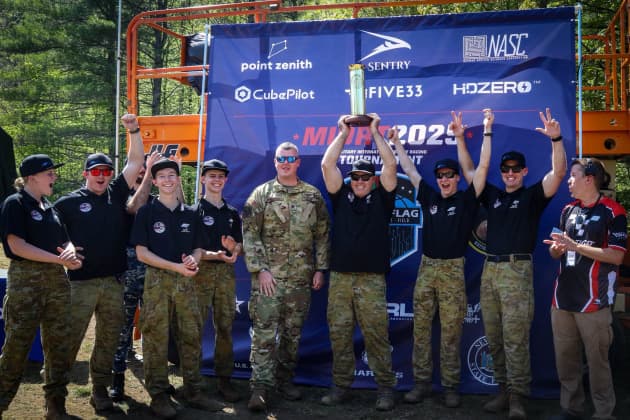
The Texas Drone Racing League is betting the sport’s next growth spurt starts in the classroom. Middle and high school students from Texas public, private and homeschool programs can join the scholastic FPV pipeline, and each team gets three Tinyhawk Lite racing drone kits to help clear one of the biggest barriers in the sport: equipment cost.
The format is built for repetition, not one-off novelty. Teams commit to three racing events in the Dallas-Fort Worth area in March, April and May 2026, with specific dates and venues to be announced to registered teams. The season carries a total prize pool of $27,500, including a $17,500 championship pool split $10,000 for first, $5,000 for second and $2,500 for third. That is real stakes for a school-based league, and it gives the season a ladder that students can climb instead of just a weekend activity to try once.
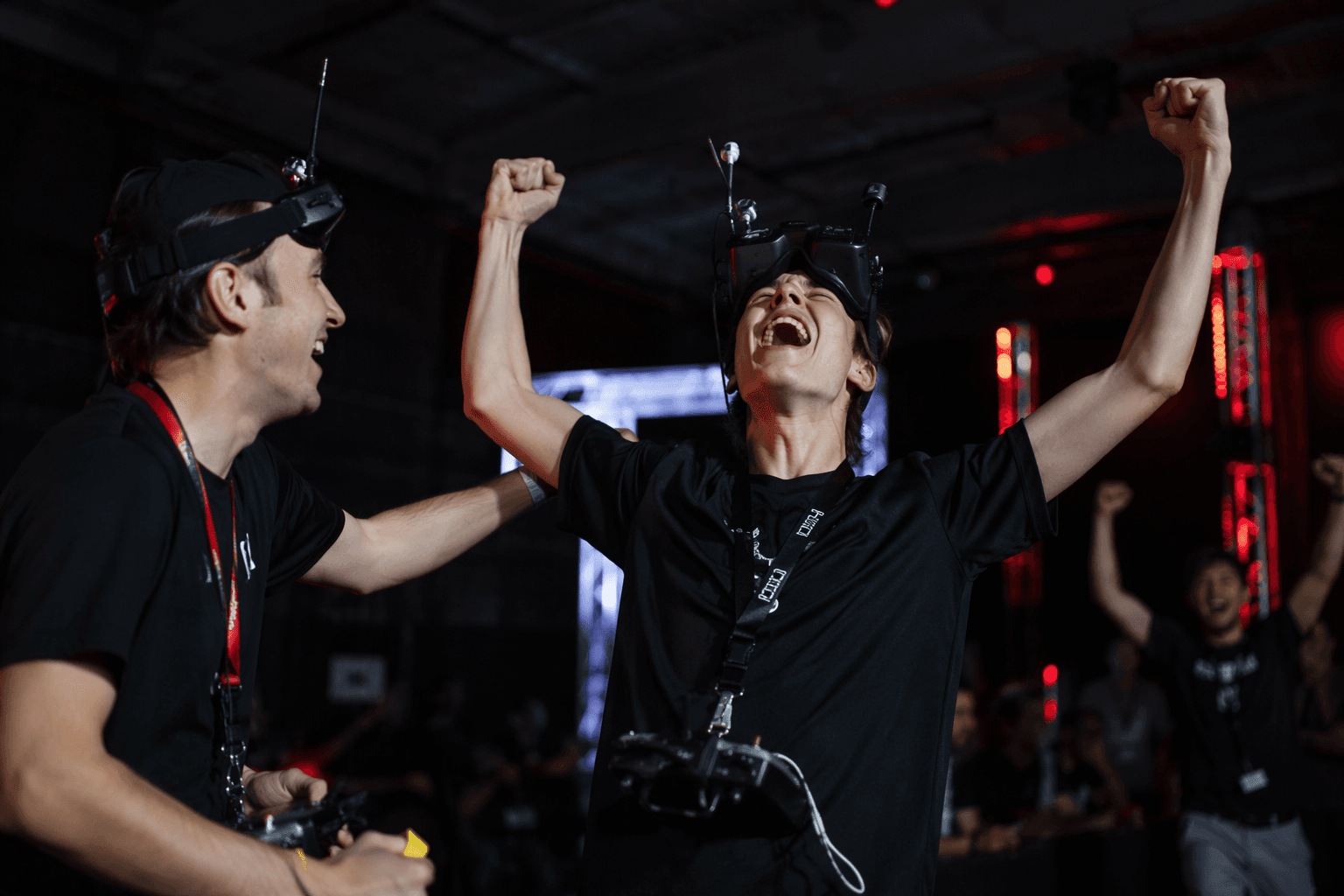
That structure matters because drone racing has never struggled to produce excitement. It has struggled to keep pilots in the pipeline long enough to build skill. By bundling racing with school participation, standardized kits and a multi-event schedule, the Texas league turns FPV from a hobby into a progression. Students get a path from first hover to race-ready lap times, and schools get a competition format that fits neatly into STEM programming rather than fighting for attention against it.
The funding side is starting to match the ambition. The Huffines Foundation says it is launching a Q2 2026 partnership supporting Crandall ISD’s competitive drone racing team, backed by a $3,000 donation. The foundation says the effort is designed to build STEM skills and prepare students for careers in aerospace, robotics and emerging technologies. In a sport where a single bad crash can wipe out momentum, even a modest grant can keep a school team flying long enough to matter.
The Texas model also tracks with the broader direction of the sport. MultiGP says it is the world’s largest drone racing league, with more than 500 active chapters and more than 30,000 registered pilots. Its STEM Alliance focuses on middle school, high school and college levels, using school chapters and organized competition to move students from classroom learning into race environments. Robert Grover has described drone racing as the “carrot,” while Todd Wahl said the coming school-year launch would bring drone education into K-12 classrooms. That is the larger lesson here: if drone racing is going to sustain real growth, school-based competition may be its most reliable development system.
This article was produced by Prism’s automated news system from verified source data, official records, and press releases, then run through automated quality and moderation checks before publishing. The system is built and supervised by the people who set the standards it runs under. Read our full AI policy.
Did this article answer your question?