TU Delft AI drone makes history, beats human drone racing champions
TU Delft's SkyDreamer beat three former world champions in Abu Dhabi, and won the AI Grand Challenge in 17 seconds flat on a 170-meter course.
The Dutch entry from TU Delft turned a laboratory project into a championship result in Abu Dhabi, where SkyDreamer beat three former Drone Champions League world champions and swept the inaugural A2RL x DCL Autonomous Drone Championship. MAVLab’s drone did not just win the AI Grand Challenge. It also took the AI vs Human Showdown and the AI-only drag race, a clean sweep that made the result look less like a breakthrough and more like a shift in the sport’s balance of power.
At ADNEC Marina Hall on April 15, 2025, 14 international teams from universities, research labs, and startups pushed autonomous racing across four formats in front of more than 2,500 spectators and a $1 million prize pool. TU Delft’s drone was the only machine that could claim the night’s biggest prize and the clearest statement: an autonomous drone had beaten human champions in an international competition for the first time. That mattered because the human field was not soft. The showdown came against three former world champions, and the machine still came out on top.
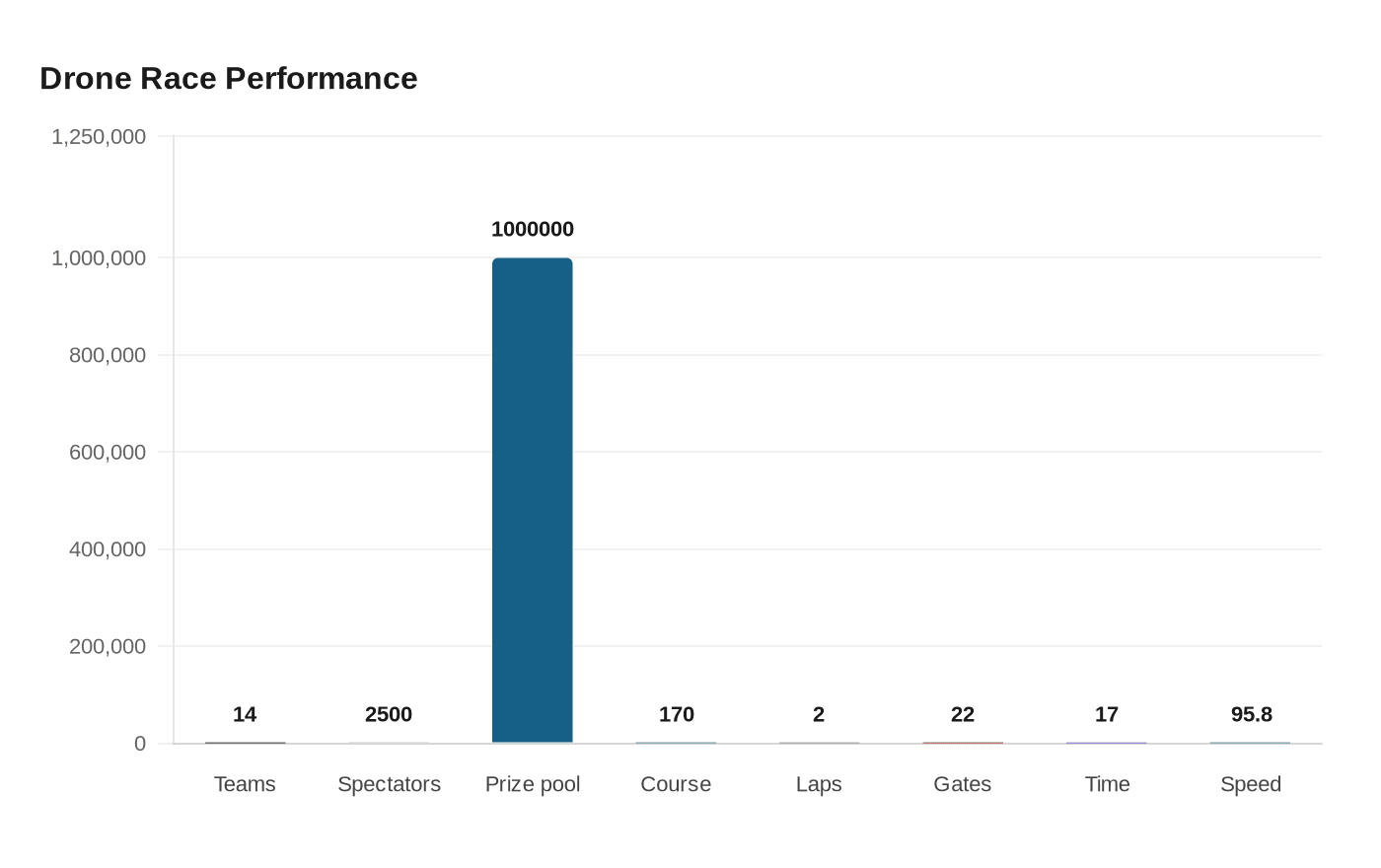
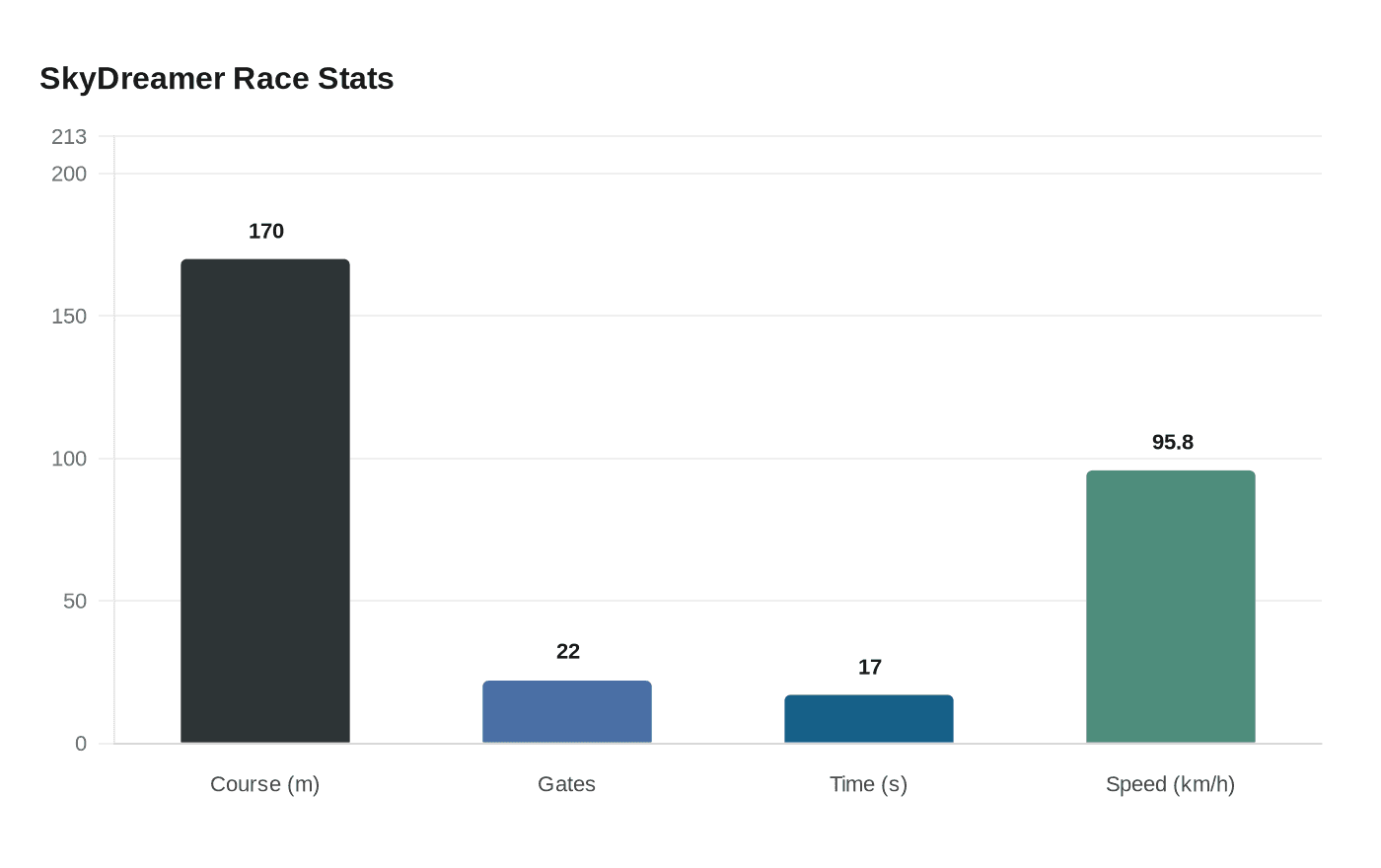
The numbers told the story. On the 170-meter course, the TU Delft drone completed two laps through 22 gates in 17 seconds. Reports put its top speed at 95.8 km/h, or 59.5 mph. In a race decided by tiny windows, that kind of pace only matters if it can be repeated without hesitation. SkyDreamer’s edge came from reaction speed, line selection, and consistency, the three things human pilots spend years sharpening with sticks and instincts. Here, those traits came from code.
The system used an end-to-end neural network, taking in pixels from a single forward-facing camera and turning them directly into motor commands. That design mattered because autonomous racing is not a board game or a simulation benchmark. It is a perception problem at full speed, with gates, motion blur, and a track that punishes every late correction. In the words of the wider robotics field, champion-level autonomous racing has meant solving imperfect perception and incomplete models of dynamics. TU Delft’s machine did that under race conditions, not in isolation.
The achievement also fits a longer line of work from Delft and the European Space Agency’s Advanced Concepts Team, where neural-network drone control was tested earlier in the Cyber Zoo and later published in Science Robotics in 2024. Christophe De Wagter, Guido de Croon, and Dario Izzo have been tied to that research arc, which now has a very public result: an AI racer that can hold line, manage speed, and beat the best human pilots in an international field. For drone racing, the next argument is no longer whether AI belongs in the sport. It is whether the future is human-vs-human, human-assisted, or human-vs-machine.
This article was produced by Prism’s automated news system from verified source data, official records, and press releases, then run through automated quality and moderation checks before publishing. The system is built and supervised by the people who set the standards it runs under. Read our full AI policy.
Did this article answer your question?