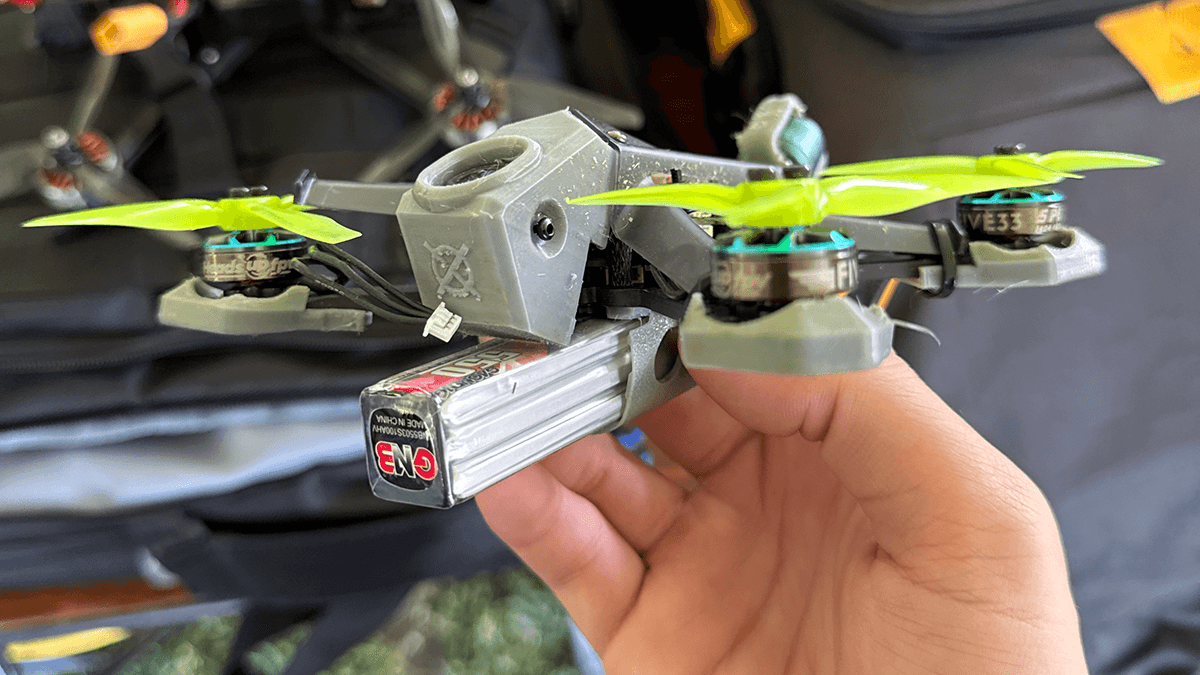
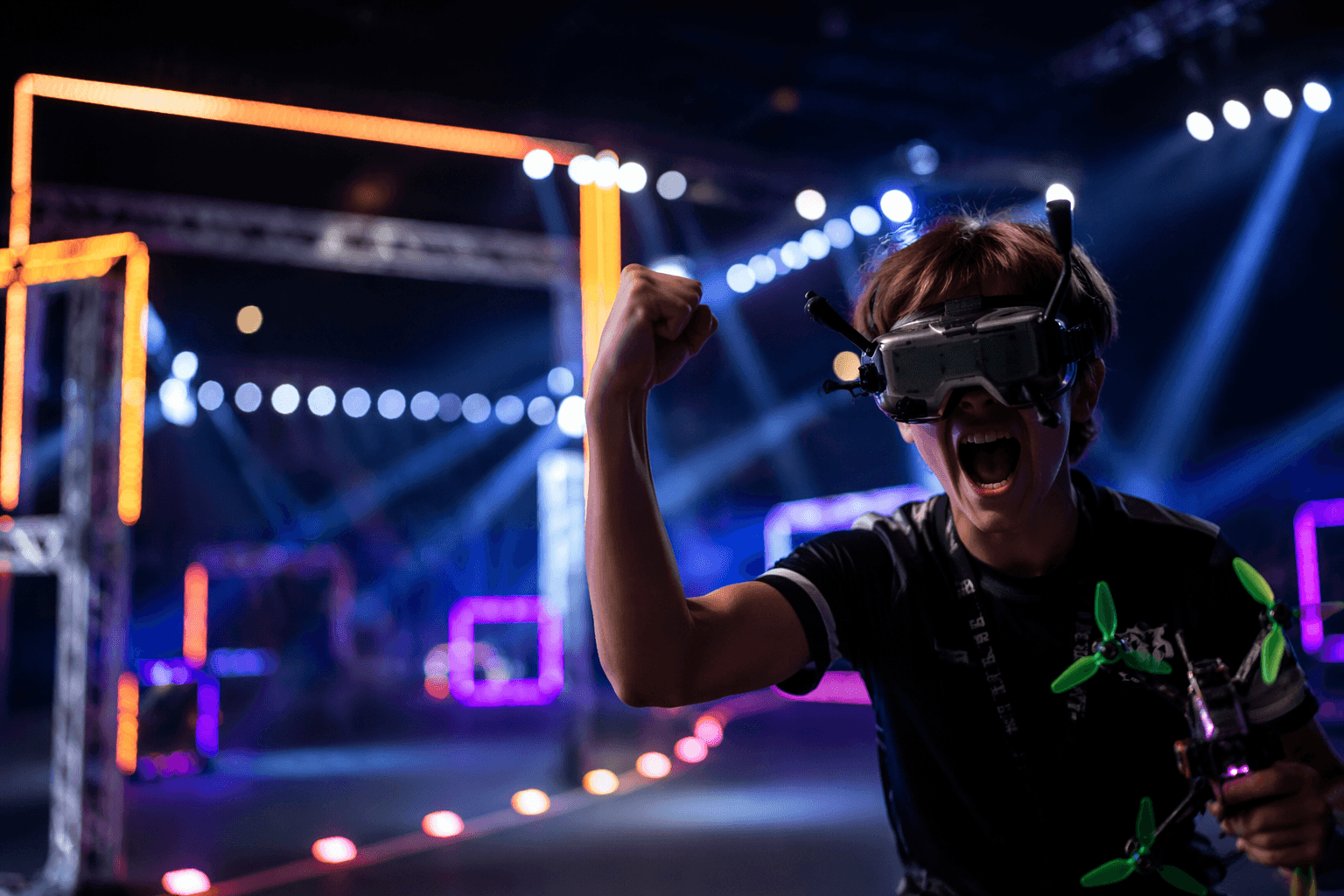
UAB Drone Academy 2026 teaches students to build racing drones
UAB is turning drone racing into a build-first STEM pipeline, where students assemble their own quads, learn the basics, and race with real engineering mentors.
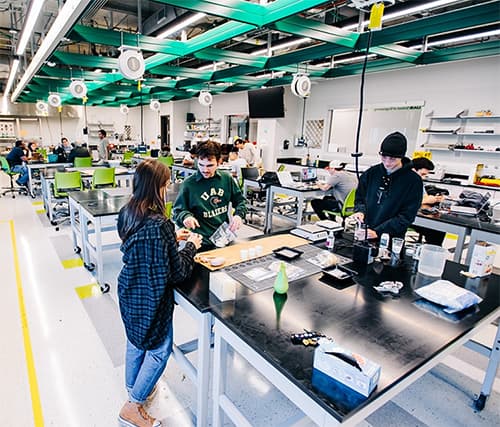
UAB’s Drone Academy 2026 is doing something drone racing badly needs: it is taking students from parts on a table to a flying machine on a course. The camp puts rising high school students inside a real engineering workflow, where they build, test, and race their own drones under current engineering students in UAB’s Design x Prototyping Lab. That matters because the sport does not grow from pilots alone. It grows from people who can solder, troubleshoot, and iterate until the quad is fast enough to survive the next gate.
What Drone Academy actually teaches
This is not a passive demo day dressed up as a camp. UAB says participants get hands-on experience with CAD, 3D printing, circuit building, and construction, then use those skills to build and operate their own remote-control quadcopter drone. All components are provided, and instruction is broken down step by step, which is exactly the right call for a program trying to widen the pipeline beyond kids who already have a garage full of gear.
That structure is the real story. By pairing students with current engineering students, the academy gives them the same kind of guided repetition that real builders rely on when a drone will not arm, a connection is loose, or a frame needs to be reworked after a hard landing. The camp also includes extra activities and competitions, so the students are not just assembling a drone, they are learning what it feels like to tune a build under pressure.
Why the build matters more than the buzz
Drone racing gets sold as speed, but the hidden currency is craftsmanship. A fast quad that cannot hold together through a gate-heavy course is dead weight, and the academy’s emphasis on CAD, soldering, component assembly, and iterative testing lines up with the actual job description of a competitive flyer. Students learn that success is not just about stick skills. It is about discipline, patience, and technical problem-solving.
That is why this program reads less like a specialty camp and more like a feeder system. The students are not only learning to pilot. They are learning to design, build, troubleshoot, and improve, which is the same pipeline many serious race pilots follow before they ever enter an organized event weekend. UAB is making the sport more accessible by lowering the intimidation factor, but it is also raising the technical floor. That combination is how a niche hobby becomes a broader talent pool.
Dates, eligibility, and cost
The 2026 academy is framed as a five-day program for rising ninth graders through rising high school seniors, and UAB says no prior experience is required. That open door matters. A lot of drone racing talent gets stuck behind cost, jargon, or the assumption that you need to arrive already fluent in electronics. This camp strips away those barriers and starts from zero.
The 2026 sessions are listed for June 8-12, July 7-10, and July 20-24, with students selecting a preferred week when they apply. The program is based primarily in the newly completed Frances and Miller Gorrie Hall in Birmingham, Alabama. The fee is $200, and UAB says support is available for students for whom cost is a barrier.
For a program built around accessibility, that support is crucial. The price is higher than the camp’s earlier model, but the school is still signaling that money should not be the reason a student misses out. In a sport where equipment and travel can quickly push newcomers out, that matters as much as any lap time.
Inside the Design x Prototyping Lab
The setting tells you a lot about what UAB is trying to build. The camp runs in the Design x Prototyping Lab, an open-access workspace for approved engineering students that includes 3D printers, soldering supplies, electronic components, laser cutters, a water jet cutter, and other fabrication tools. That is not a classroom with a few token laptops. It is a working fabrication environment.
That matters for drone racing because the best learning happens when the build is real. Students can see how a design becomes a frame, how a printed part fits into the assembly, and how electronics connect to a flying platform that actually has to survive competition. The lab gives the academy a hands-on backbone that matches the sport itself: fast, technical, and unforgiving if the details are wrong.
How the academy has evolved
UAB says Drone Academy is now in its third year as a UAB-led camp, and the evolution is clear when you line up the old and new versions. In 2024, Drone Academy and Rover Academy were open to rising ninth graders through graduating high school seniors, with multiple one-week sessions in June and a suggested voluntary $100 donation per student. No student was excluded if cost was a limiting factor.
By 2025, the camp flyer was already sharpening the focus, describing hands-on experience with computer-aided design, 3D printing, electronics, and drone construction, along with an emphasis on real-world drone uses. In 2026, the program looks more mature and more defined: a $200 fee, formal support for students who need it, and a clearer link between engineering instruction and racing performance.
That progression says a lot about where UAB sees the value. This is not just outreach for the sake of outreach. It is a structured entry point into engineering, robotics, and drone racing, with the kind of practical repetition that can turn a curious student into a competent builder.
Why this model matters for drone racing
The strongest argument for Drone Academy is not that it teaches kids to fly. It is that it teaches them how to enter the sport through the front door. Students are learning the full chain, from assembly to testing to competition, and that is how you expand a talent base that has long been limited to hobbyists and self-starters.
That is the deeper play here. UAB is treating drone racing like a sport with an ecosystem, not just a spectacle. Build the drone, race the drone, fix the drone, improve the drone. That is the loop that creates future pilots, future builders, and future engineers, and it is exactly why programs like this deserve attention.
This article was produced by Prism’s automated news system from verified source data, official records, and press releases, then run through automated quality and moderation checks before publishing. The system is built and supervised by the people who set the standards it runs under. Read our full AI policy.
Know something we missed? Have a correction or additional information?
Submit a Tip