UAV Coach explains FPV drones, gear, and the learning curve
FPV is the entry ramp into drone racing, but the real leap is learning goggles, low-latency video, and repair-heavy gear before you ever hit a gate.
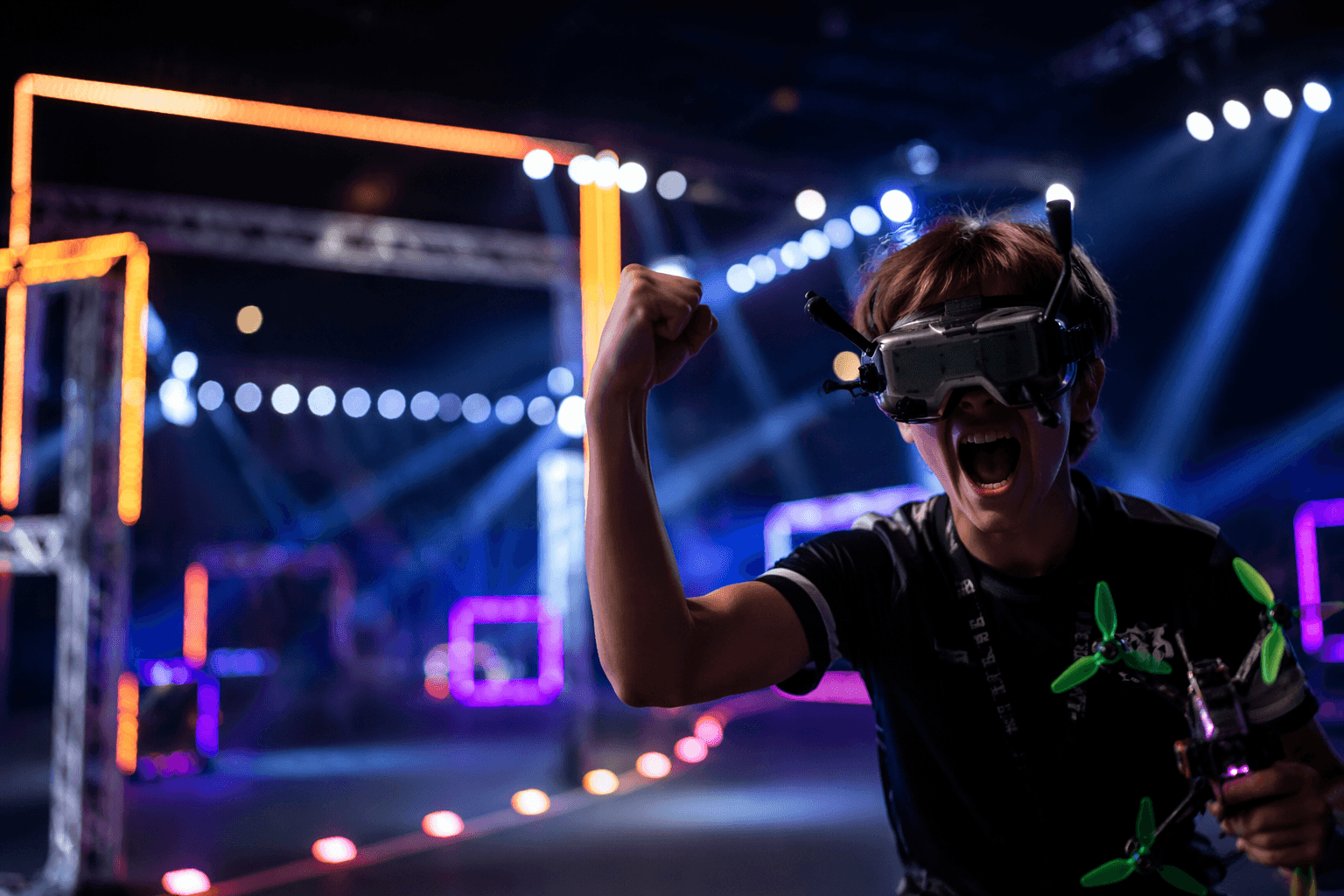
FPV is the reason so many high-speed drone clips pull viewers from the couch into the cockpit. It is not a single drone model, but a different way of flying, with the pilot seeing a live feed through goggles instead of watching the aircraft from the ground or a phone screen. That changes the sport immediately: the gear, the feedback loop, and the learning curve all feel closer to being inside the machine than remote-controlling it.
What FPV actually is
UAV Coach’s primer makes the central point plainly: FPV is broader than racing, and broader than one type of quad. The ecosystem includes DIY builds, multiple video transmission systems, specialized radios and goggles, and flying styles that run from racing to freestyle to exploration. For a newcomer, that matters because the first lesson is not how to buy one perfect drone, but how the whole system fits together.
That systems-first view is exactly why FPV becomes a doorway into drone racing. Racing is the most visible branch of the sport, but it sits inside a bigger culture of pilots who care about line choice, timing, tuning, and control under pressure. The guide also frames FPV as a community hobby, with local groups, online forums, simulator communities, and race meetups giving pilots places to practice and belong long before they are fast enough to race for real.
The gear that turns clips into competition
The hardware is where FPV separates itself from a standard camera drone. The pilot’s most important tool is the video chain: the onboard camera, the transmission system, and the goggles that deliver the picture in real time. In racing, that live feed is not a cosmetic feature. It is the whole sport, because low-latency video is what lets a pilot thread a gate at speed and still react before the drone is already past the mistake.
Joshua Bardwell’s FPV Know-It-All underscores how much the technology has changed. Early analog FPV video was low-resolution and prone to breakup and static, while modern digital HD systems now commonly transmit at least 720p. That jump matters to racers and beginners alike, because clearer video makes the craft easier to understand and the margins easier to manage.
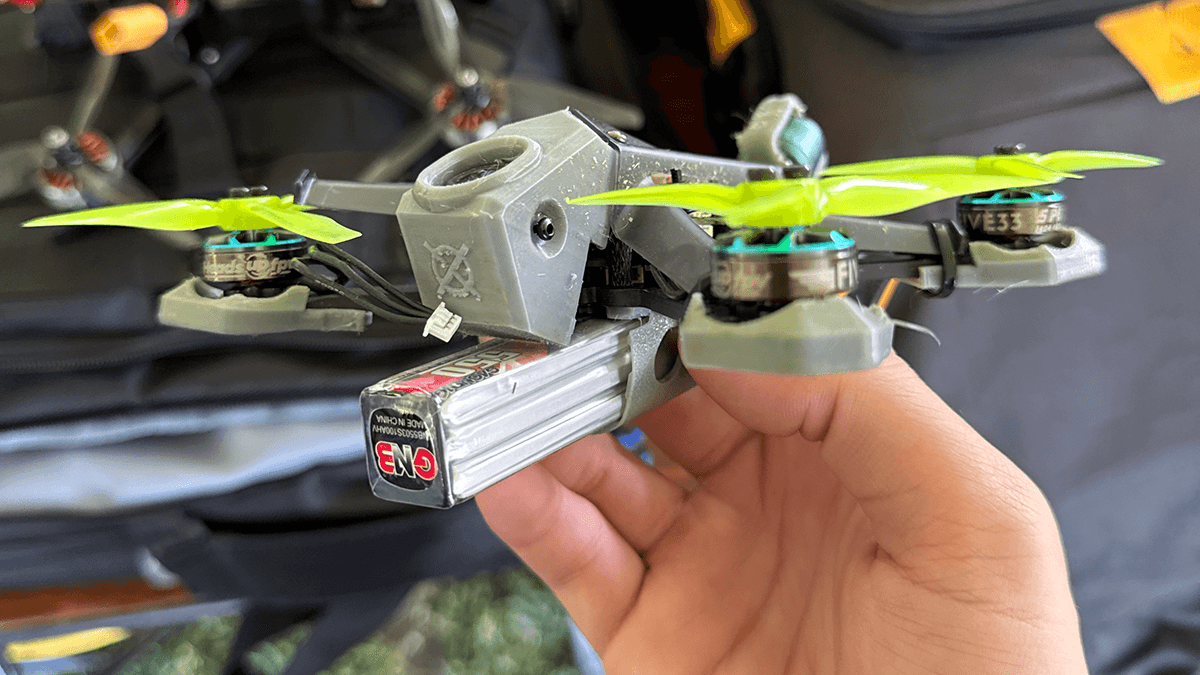
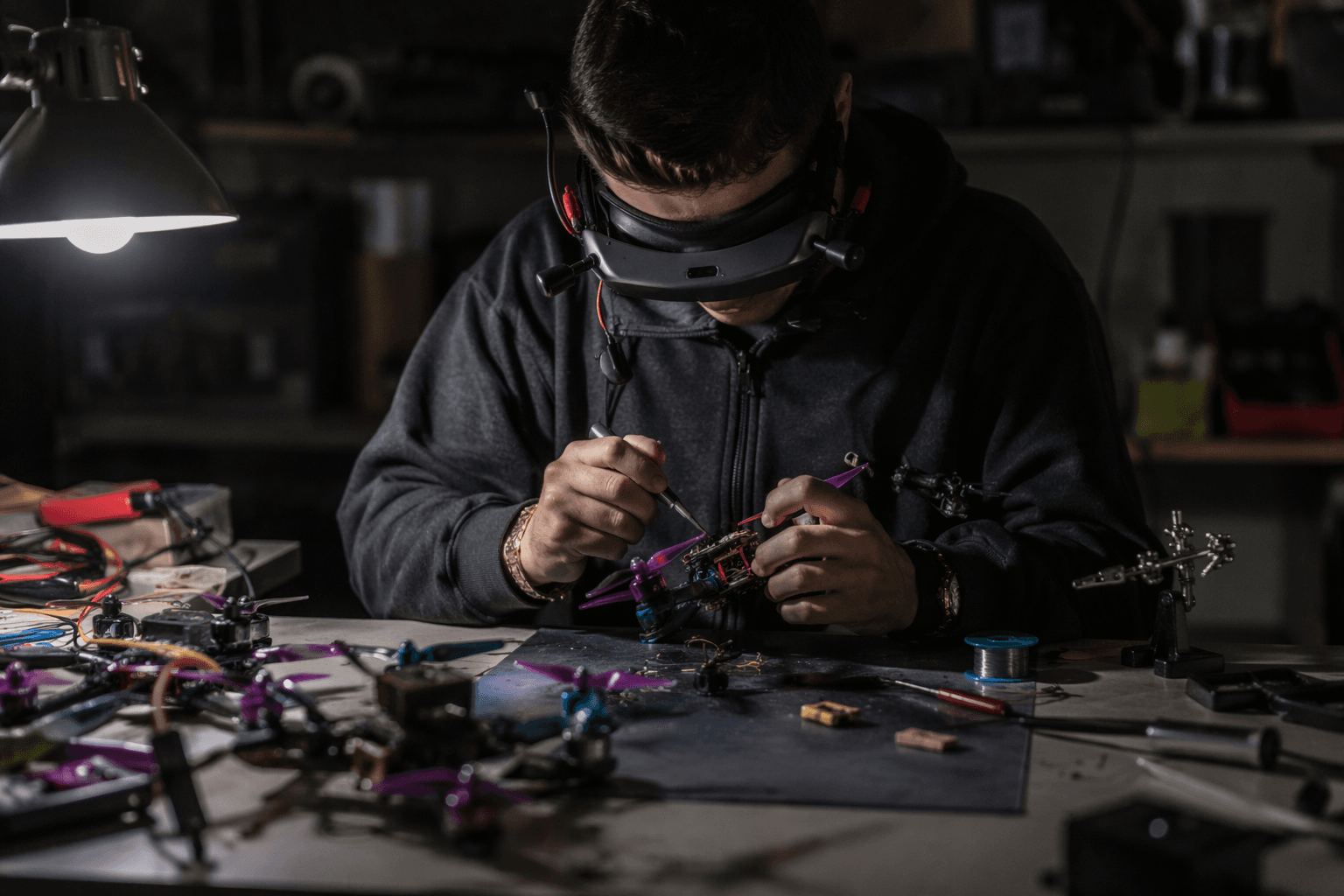
The other defining part of the gear story is maintenance. FPV racers often build their own quads because racing drones crash often and need frequent repair. That turns the hobby into a mix of flying, wrenching, soldering, tuning, and replacing parts. For anyone coming from cinema drones or gaming, that is a major adjustment: FPV rewards people who are comfortable opening the frame as much as people who are comfortable flying it.
Why the learning curve feels steeper than it looks
UAV Coach emphasizes that the first few months can be challenging, and that warning is not cosmetic. FPV setup is more technical than a standard camera drone, and the flying itself is less forgiving than GPS-assisted control. A beginner who is used to a drone that hovers on its own has to relearn the basics: throttle discipline, orientation, line planning, and how to recover when the drone is already tilted, drifting, or diving.
A realistic path into racing usually looks like this:
1. Learn the vocabulary and the gear chain, so the camera, video link, radio, and goggles make sense together.
2. Spend time in simulation and community spaces, where mistakes cost nothing and race lines start to feel automatic.
3. Move to a build or a repairable quad, then practice until the controls feel natural enough to fly gates, not just hover.
That path fits the broader FPV culture because the sport is built around repetition. The first wins are usually not lap times, but the ability to recover from mistakes, repair a damaged frame, and come back to the course with a slightly better tune.
The rules are part of the sport
FPV racing may look like pure motion, but it sits inside a regulated airspace framework. The FAA says recreational flyers must pass the TRUST safety test and carry proof of completion when operating. Pilots flying under Part 107 need a Remote Pilot Certificate, and drones that are required to be registered must comply with Remote ID.
The enforcement side matters too. The FAA says its discretionary-enforcement policy on Remote ID ended on March 16, 2024, and operators who do not comply after that date could face penalties, including fines or suspension or revocation of drone pilot certificates. For racers and practice pilots, that means compliance is not a side note. It is part of the entry fee for flying legally in the United States.
From backyard practice to organized racing
FPV racing is no longer just a niche internet spectacle. MultiGP describes itself as the largest drone racing league and FPV community in the world, with more than 30,000 registered pilots and 500 active chapters worldwide. Its numbers show how deep the pipeline goes: more than 900 elite pilots battled through the Global Qualifier season for the 2024 championship, and more than 160 pilots tried to qualify for the 2024 World Cup.
That scale matters because it shows how a beginner can move from solo practice to structured competition without leaving the hobby. Local chapters create access points, race meetups create deadlines, and the league structure gives pilots something concrete to chase. FPV racing thrives on that ladder, from first flights in a simulator to the pressure of a real course.
A sport with a longer competitive memory
The World Drone Cup adds another layer to the picture. Its site lists major events and results going back to 2018 and shows annual championships through 2026, which places today’s FPV racing boom inside a longer run of formal competition. Its 2025 event in Istanbul was presented as a global stage for speed, technology, and competition, a reminder that the sport now has international marketing, not just local club energy.
That history helps explain why FPV keeps pulling in new pilots. Watching cinematic drone footage is the first spark, but the real hook is the full ecosystem: goggles, low-latency video, DIY repairs, league racing, and a community that treats every crash as part of the process. Once a pilot understands that, FPV stops looking like a gadget and starts looking like a sport.
This article was produced by Prism’s automated news system from verified source data, official records, and press releases, then run through automated quality and moderation checks before publishing. The system is built and supervised by the people who set the standards it runs under. Read our full AI policy.
Know something we missed? Have a correction or additional information?
Submit a Tip