Ukrainian Drone Maker General Cherry Partners With Wilcox to Build FPV, Interceptor Drones in U.S.
Ukrainian drone maker General Cherry, producing 70,000+ drones monthly, struck a joint venture with New Hampshire's Wilcox Industries to bring FPV and interceptor production to U.S. soil.
Ukrainian drone manufacturer General Cherry announced a proposed joint venture with New Hampshire-based Wilcox Industries last week, targeting U.S. production of FPV and interceptor drones at Wilcox's Newington facility. The move brings one of the conflict zone's highest-volume drone producers into the American defense supply chain, with implications that extend well beyond the battlefield.
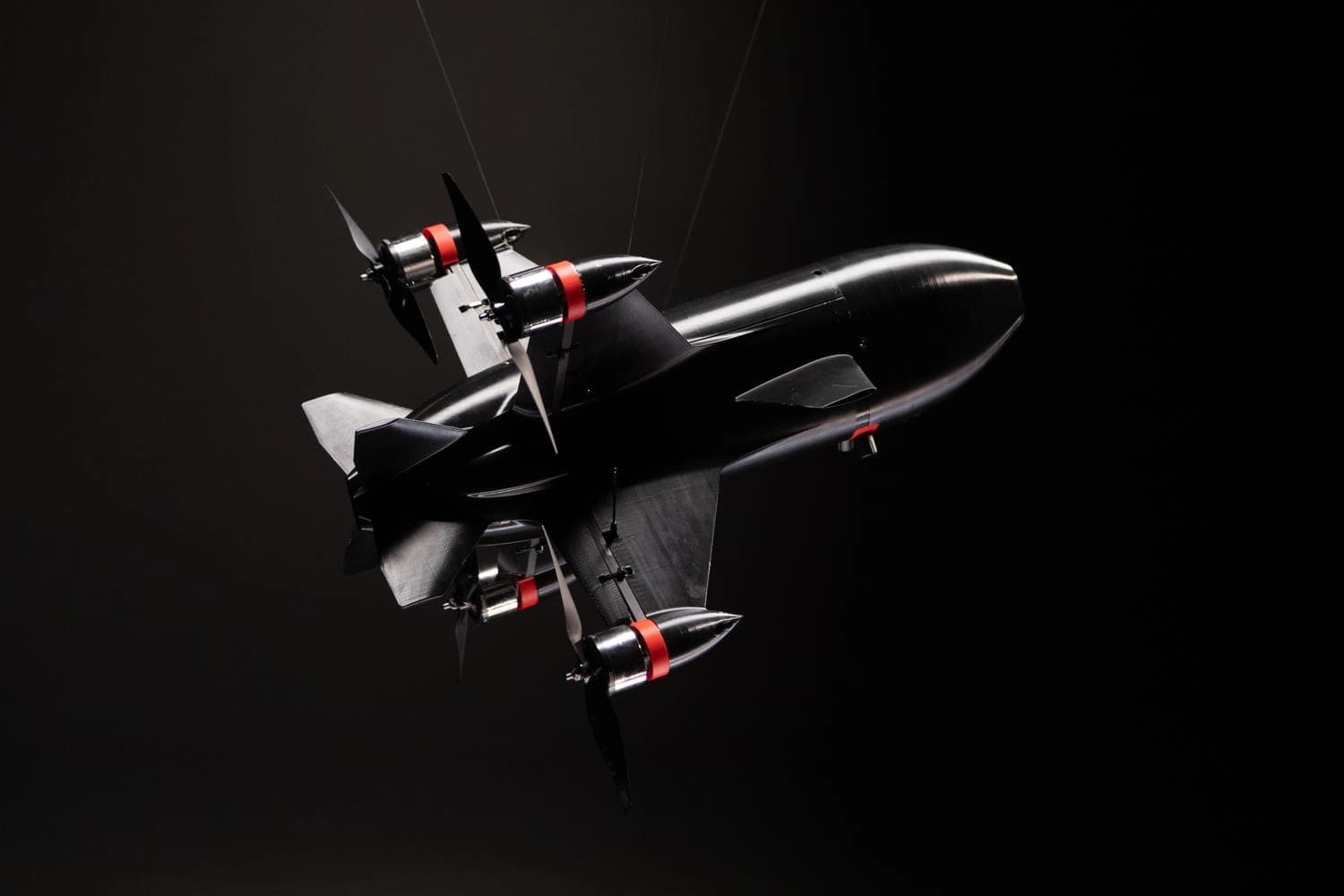
General Cherry claims a production rate exceeding 70,000 drones per month across dozens of platform variants, a scale that dwarfs most Western UAS manufacturers. The company's flagship for the joint venture is the Bullet interceptor, a fixed-wing VTOL system rated at speeds up to 309 km/h, alongside the AIR series of counter-UAS products. Both lines are aimed explicitly at Pentagon customers and U.S. government requirements.
Co-founder Yaroslav Hryshyn framed the partnership in direct terms: "we are pleased to have the unique opportunity to build production together, which will manufacture the newest means of defense and striking." Wilcox CEO James Teetzel described the agreement as a combination of Wilcox's manufacturing infrastructure with General Cherry's combat-tested engineering, oriented toward serving U.S. government demand.
The joint venture is not yet operational. Before a production timeline can be confirmed, the deal requires approval from Ukrainian authorities and additional governmental sign-offs, with registration and launch contingent on that clearance.
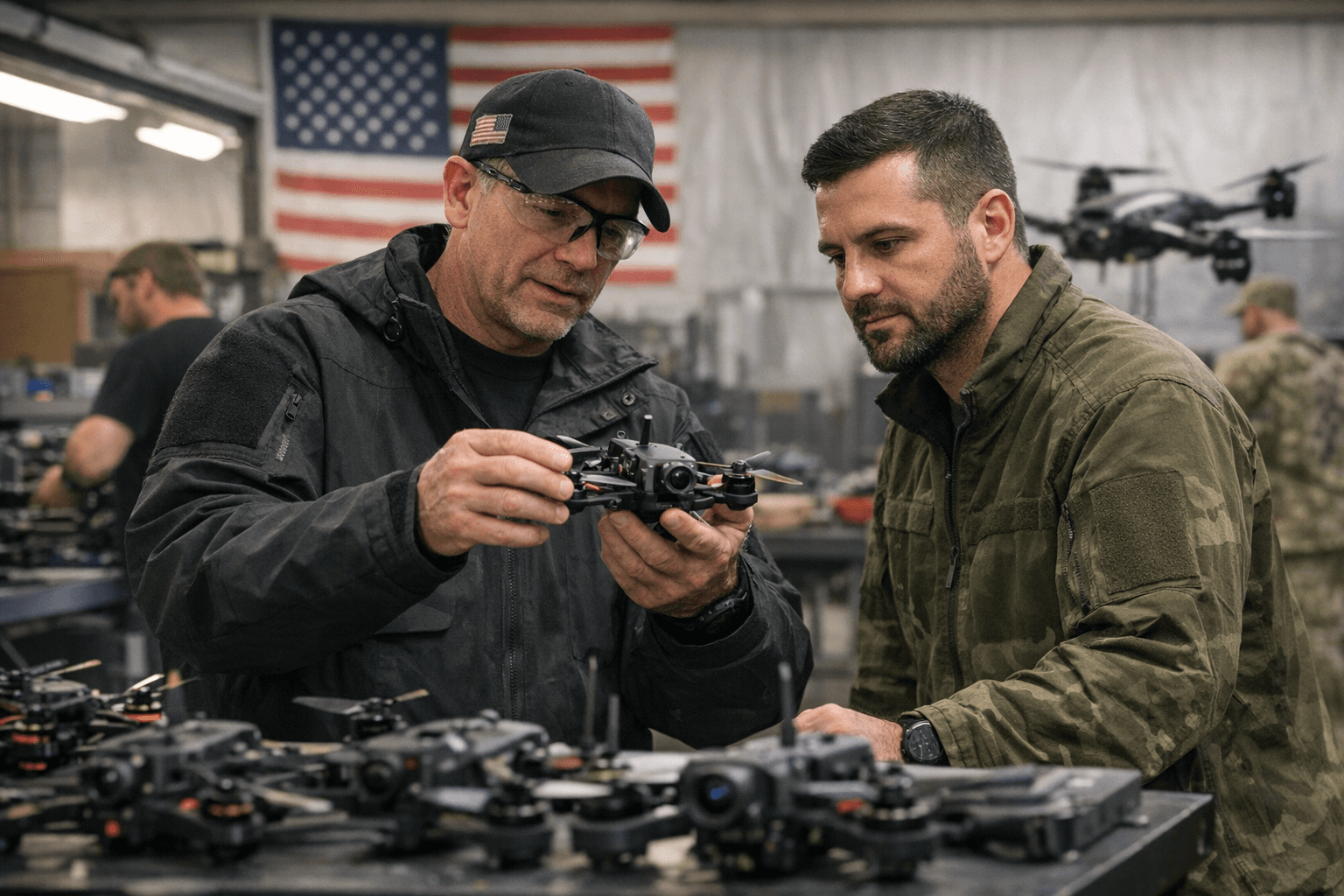
For the FPV racing and hobby community, the announcement carries indirect weight. General Cherry's claimed production volumes, if replicated domestically, would represent a significant addition to U.S. small UAS manufacturing capacity. That matters because tactical and racing platforms share a supply chain: motors, ESCs, cameras, and antenna components flow through the same vendors regardless of end use. High-volume domestic production can shift component pricing, tighten lead times, and increase reliability for race-grade hardware that gets pushed hard in competition.
The partnership also sharpens a debate that has been building in the FPV community for years. When manufacturers of tactical strike and interceptor systems establish domestic production at scale, the dual-use nature of FPV technology becomes harder to ignore for regulators. Race organizers and technical leads who have long operated in a relatively permissive regulatory environment should expect that scrutiny to intensify as defense-oriented FPV manufacturing gains a U.S. footprint.
Wilcox brings established Pentagon procurement relationships to the table. General Cherry brings operational data from platforms developed and iterated under live combat conditions, a testing environment no proving ground can replicate. If the joint venture clears its regulatory hurdles, Newington could become a production hub for some of the most technically demanding small UAS designs currently in active deployment.
This article was produced by Prism’s automated news system from verified source data, official records, and press releases, then run through automated quality and moderation checks before publishing. The system is built and supervised by the people who set the standards it runs under. Read our full AI policy.
Did this article answer your question?