WalleFPV Lightning3 refines the Lightning2 with lighter, flexible FPV options
Lightning3 keeps the Lightning2 formula, but lighter weight, easier tuning, and wider video-system support make the analog build the smart buy.
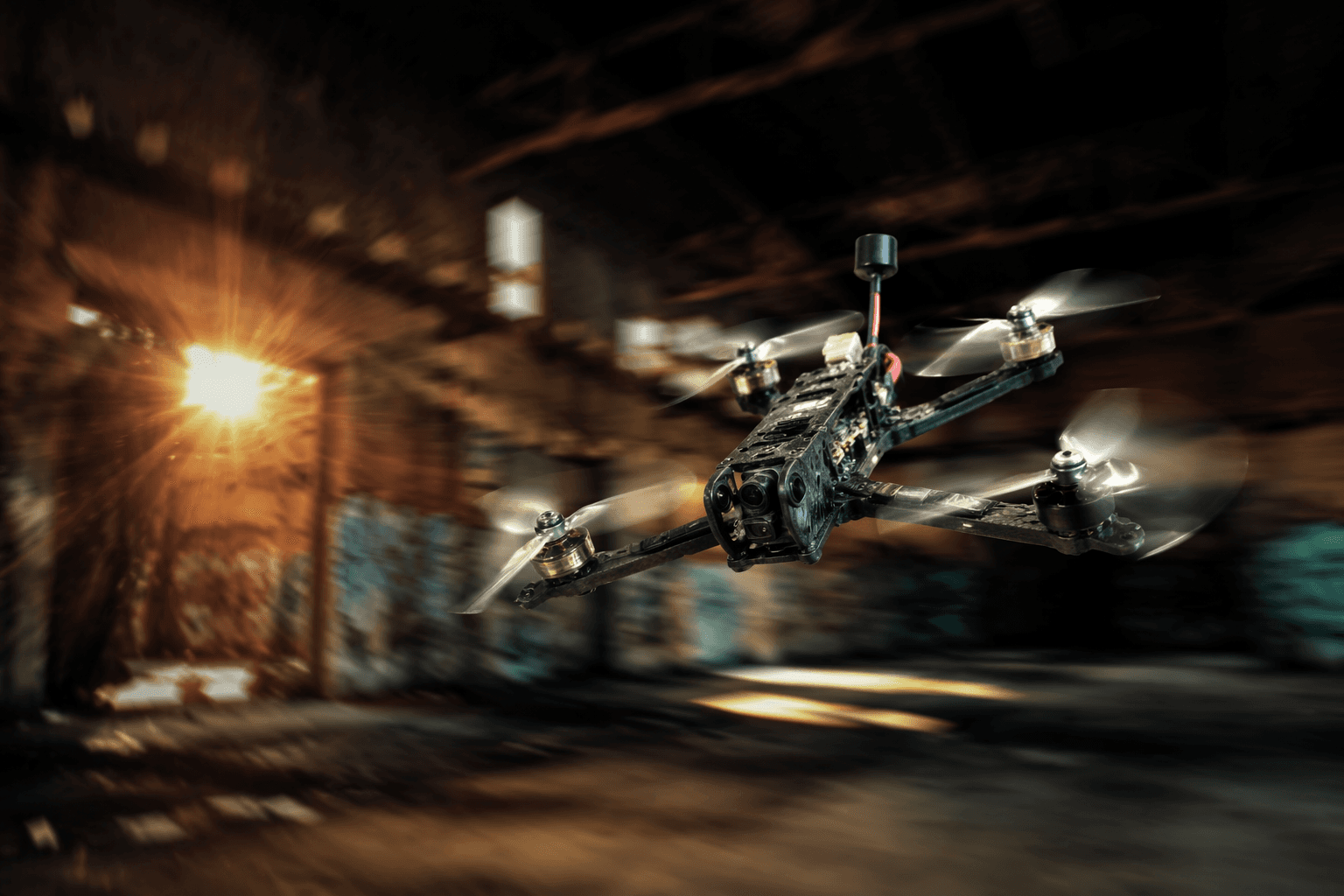
The Lightning3 is not trying to reinvent the 2-inch class. It is trying to make the Lightning2 better where small quads actually win or lose: weight, tuneability, camera fit, and how forgiving the frame feels when you thread a park line at speed. That is the real story here, because in micro FPV, a few grams and a cleaner layout can matter more than a flashy redesign.
What changed, and why it matters
WalleFPV describes the Lightning V3 as an upgrade again after two years, and that framing fits the machine. The company says the new version is aimed at better flight control, less propeller stall, quieter flight noise, better radio signal, a more robust frame kit, and a unique matrix taillight. Those are not vanity tweaks. They are the kind of refinements that decide whether a 2-inch build feels locked-in or sketchy once you push it through tight gaps.
Oscar Liang’s review makes the same point from the pilot side: this is an evolutionary update to the older Lightning2, not a ground-up reset. That distinction matters because it tells you exactly what kind of buyer this frame is for. If you already know you want a quiet, efficient, lightweight park ripper, the Lightning3 is built to make that formula cleaner, not to replace it.
The frame is built around practical gains
The frame numbers are small, but the implications are big. WalleFPV lists a 112mm wheelbase, a 12.4g frame weight, a 56mm prop size, and support for 2.0-inch and 2.2-inch props. The company says the 2.2-inch option is quieter, which makes sense for park flying where less noise and smoother throttle response can make a quad feel more refined than aggressive.
The frame also uses orthogonal X-arms, which WalleFPV says are meant to make PID tuning easier. That is one of those details racers and tinkerers should not gloss over. A frame that is easier to tune saves time on the bench and gets you to a usable setup faster, especially when you are chasing a stable feel rather than just raw pitch sensitivity.
WalleFPV also says the Lightning3 uses upgraded aluminum alloy parts for better camera protection. That is the sort of change you appreciate after a hard landing, not the sort of thing you brag about in a spec sheet. Add in the fixed XT30 connector, which the company says is there to reduce fuselage vibration, and the frame starts to look like it was designed by people who understand what breaks on tiny quads.
Hardware choices give it range, but the analog build still makes the most sense
Liang lists the core hardware as a JHEMCU G4 AIO flight controller and 1003 10000KV motors. That combination tells you exactly where the Lightning3 sits: light enough to stay lively, but not so stripped down that it feels fragile or underpowered. It is the kind of setup that makes a 2-inch quad feel quick without turning it into a nervous handful.
The receiver and video options are broad enough to cover almost every serious FPV preference. Receiver support includes ELRS 2.4GHz, TBS Nano RX, and PNP. Video-system options include analog, Walksnail Mini 1S Kit, Walksnail Ascent Lite, HDZero Whoop V2 Bundle, and DJI O4 Air Unit support. In a market split between low-latency analog and increasingly capable digital systems, that flexibility is not just convenient, it is the whole buying decision.
Liang’s conclusion is blunt and useful: the analog version is the lowest-weight, best-performance, and cheapest configuration. That is the version that best fits the Lightning3’s identity. If your goal is to keep the quad light, lively, and simple, analog is the build that gives you the strongest payoff for the least compromise.
Weight tells the real performance story
The published weights explain why the analog version gets the nod. Liang reports 50.9g without battery, 79.3g with a 2S 550mAh LiHV, and 85.3g with a 2S 720mAh LiHV. That spread is not trivial on a micro build. A 5g to 10g swing can change how a tiny quad carries momentum, how it snaps out of corners, and how much it punishes a battery on punch-outs.
Those numbers also make the tradeoff easy to read. If you want the most agile setup, the lighter battery and analog configuration are the better fit. If you want a bit more runtime and a calmer feel, the 2S 720mAh LiHV will give you that, but it does so by adding weight you will feel in turns, recoveries, and throttle response.
DJI O4 support is useful, but it is not a free win
The Lightning3’s compatibility story is strong, but not perfect. Liang wanted to fit a DJI O4 in the frame, yet ran into a camera-cage fit issue with a Flywoo wide-angle lens. That is exactly the kind of detail that separates a good micro frame from a great one, because in this class, camera clearance can decide whether a build is plug-and-play or a weekend of compromise.
If you are choosing between digital stacks, this is where the Lightning3’s flexibility should be read honestly. Yes, it supports DJI O4 Air Unit use, and yes, it also covers Walksnail and HDZero. But if your build depends on a specific wide-angle lens or a bulkier camera setup, you need to value fit as much as image quality. On a 2-inch frame, there is no such thing as “close enough” clearance.
The extras are small, but they add up
WalleFPV says the Lightning3 includes a built-in buzzer on all versions, which is a small detail that becomes a real one the first time you bury the quad in grass. It also mentions an independent receiver antenna, another sign that this frame is being engineered for cleaner signal handling rather than just raw spec-sheet appeal. Those touches do not win the headline, but they help the drone feel more finished.
The product page also notes that the drone was in stock but shipping would happen after the Spring Festival holiday, identified there as February 14 to 24. That timing matters less as a launch note than as a reminder that this is a frame WalleFPV is positioning as a current, actively supported release, not an old design being rebranded.
Why this frame is worth a serious look
The Lightning3 matters because it understands the 2-inch category better than most flashy launches do. It keeps the Lightning2 idea intact, then trims weight, improves tuning, and broadens video-system choice without pretending that every pilot wants the same build. For most buyers, the analog version is the one that makes the most sense: lighter, cheaper, and truer to the frame’s best traits.
If you want a micro quad that feels fast without getting brittle, quiet without feeling dull, and flexible without turning into a compatibility puzzle, the Lightning3 has a real case. In a class where tiny compromises show up immediately in the air, that is the kind of upgrade that actually changes the flight.
This article was produced by Prism’s automated news system from verified source data, official records, and press releases, then run through automated quality and moderation checks before publishing. The system is built and supervised by the people who set the standards it runs under. Read our full AI policy.
Know something we missed? Have a correction or additional information?
Submit a Tip