Alabama A&M, Florida A&M, Mississippi Valley State banned from 2026 postseason
Florida A&M’s APR rose to 918 but still fell short of 930, while Mississippi Valley State took another postseason ban and Alabama A&M escaped with a waiver.

The NCAA’s APR penalties have already redrawn the ceiling for HBCU football before the first snap, sidelining Florida A&M and Mississippi Valley State from the 2026 postseason while Alabama A&M fought its way back into eligibility. The ruling lands on programs in Tallahassee, Itta Bena and Huntsville with direct consequences for recruiting, roster retention and the path to December’s Celebration Bowl at Mercedes-Benz Stadium in Atlanta.
APR is not a one-season score. It is a rolling four-year academic measure that tracks each scholarship athlete’s eligibility and retention every term, and the NCAA requires a 930 average for championship eligibility. The association also says low-APR teams can face practice-time reductions before postseason ineligibility, and schools can seek waivers. For limited-resource and HBCU programs, the NCAA has offered flexibility in the past, but that relief can be used only twice in a five-year span.
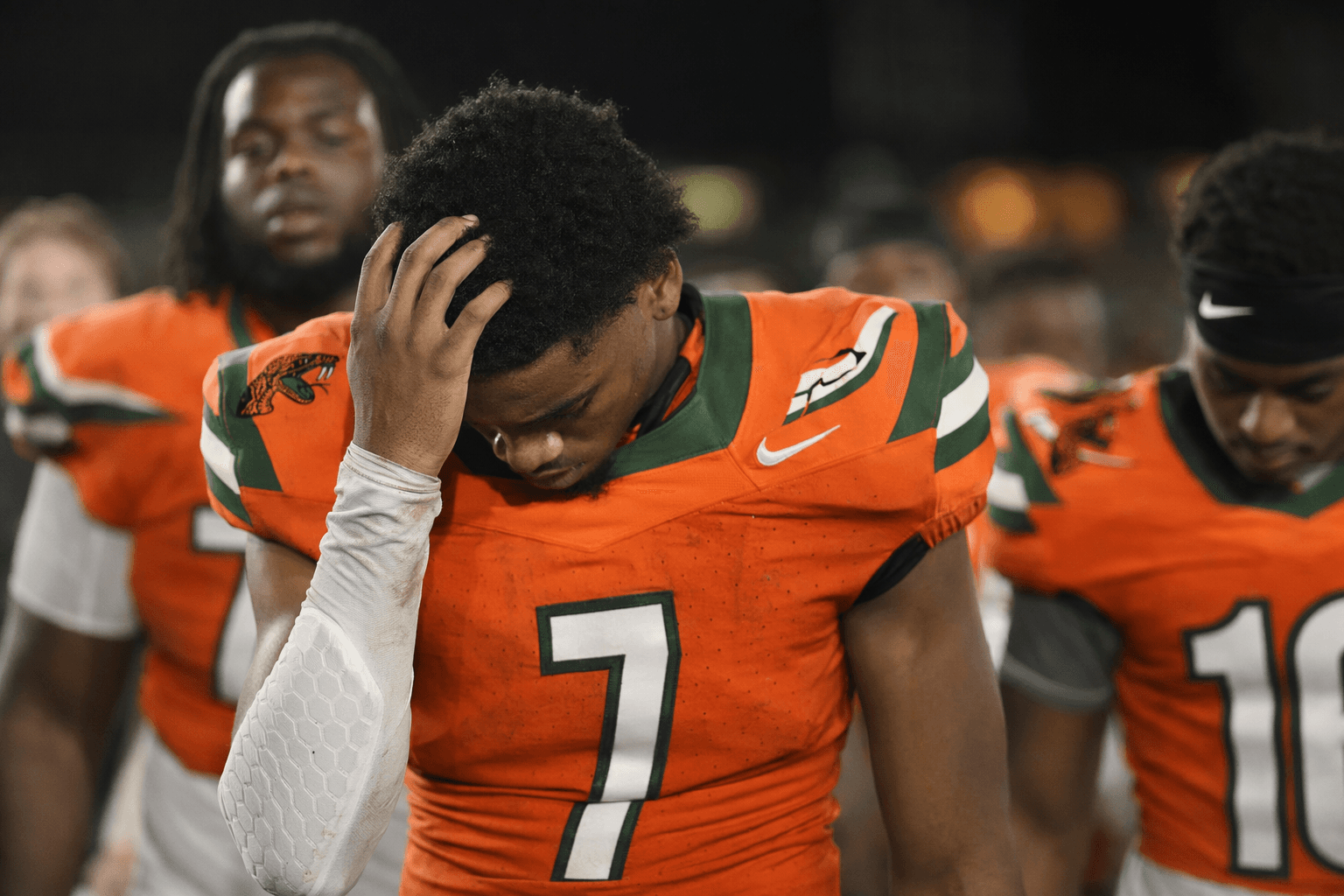
Florida A&M said on April 10 that its football program received Level Two APR penalties, including practice restrictions and postseason ineligibility. President Marva B. Johnson said the penalties reflected an institutional infrastructure failure, not a failure of student-athletes, while athletics director John F. Davis said the university had already started an enhanced academic action plan. Even with improvement, Florida A&M’s football APR reportedly reached 918 for the 2024-25 cycle, still short of the 930 mark that keeps teams eligible for NCAA championships.
Mississippi Valley State absorbed the harshest competitive blow. The Delta Devils were reported to have received an APR postseason ban again, which would keep the Itta Bena program out of the postseason for the second straight year. That kind of penalty does more than erase a playoff run; it weakens a program’s selling point to returning players, transfers and recruits who want a chance to play into December.
Alabama A&M was also caught in the APR dragnet after being cited among the SWAC football programs below the 930 benchmark, but the Bulldogs later filed a successful waiver that preserved postseason eligibility. The school said it remained fully eligible for postseason opportunities while still operating under NCAA-imposed practice limitations.
That leaves the SWAC race with a deeper institutional question than standings alone. With the Celebration Bowl set for December 2026 in Atlanta, the league’s showcase remains a real destination, but only for programs that can keep academics aligned with competition. These rulings now force each school to prove that the fix is structural, not temporary, or the postseason ceiling will keep disappearing before the season even starts.
This article was produced by Prism’s automated news system from verified source data, official records, and press releases, then run through automated quality and moderation checks before publishing. The system is built and supervised by the people who set the standards it runs under. Read our full AI policy.
Did this article answer your question?