Austin Peay Hires Gavin Spurrier Among Four Coaches for 2026-27
Austin Peay added Gavin Spurrier as passing‑game coordinator/QB coach and announced three other staff moves as part of a broader offseason shakeup that reshapes the Govs’ staff and offensive outlook.
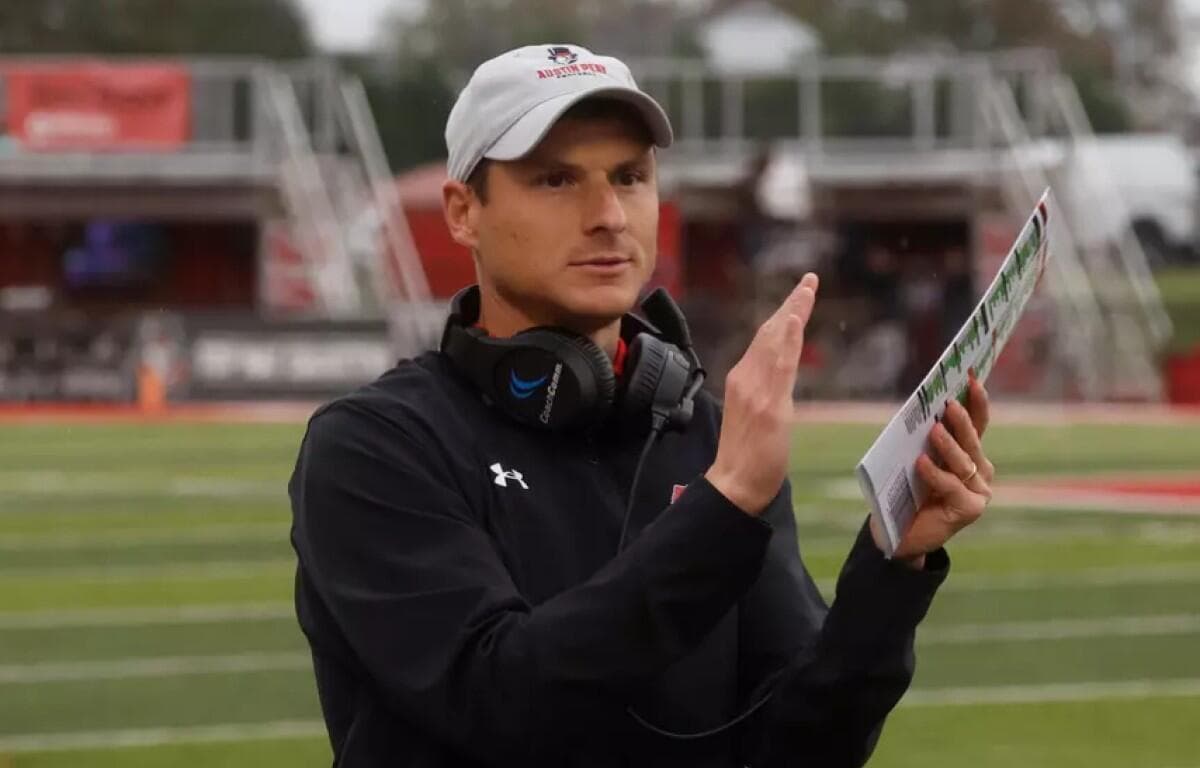
1. Gavin Spurrier, passing‑game coordinator and quarterbacks coach
Gavin Spurrier is the headline name in Austin Peay’s latest staff wave, joining as passing‑game coordinator and quarterbacks coach to work directly with returning QB Chris Parson. Austin Peay head coach Jeff Faris has announced four new hires for his 2026‑27 coaching staff, and Spurrier’s arrival brings both a coaching pedigree and a household football name, the grandson of College Football Hall of Famer Steve Spurrier and son of Steve Spurrier Jr. Spurrier’s résumé traces through Duke (walk‑on quarterback 2019–22, then offensive quality control) and recent work on Texas A&M’s staff; reporting describes him variously as an assistant tight ends coach and as an offensive graduate assistant, so Austin Peay’s official bio will be the final word on the exact title he held with the Aggies. His fit matters: “Spurrier will work with quarterback Chris Parson, who racked up 3,746 total yards and 37 touchdowns last season and was named a finalist for the Walter Payton Award,” and pairing a developing coordinator with a proven FCS weapons‑grade QB promises to elevate play design, timing and transfer portal recruitment around the passing game.
2. Christian Mitchell, chief of staff
Christian Mitchell’s hiring as chief of staff signals Austin Peay’s investment in organizational muscle that goes beyond Xs and Os; the role typically centralizes roster management, practice planning and transfer‑era logistics. The Govs ran a heavy portal program this offseason, announcing 43 transfer portal additions after the window opened early in January, so Mitchell’s presence should streamline integration of newcomers and sharpen the staff’s onboarding process. With Jeff Faris under contract through 2030 and coming off a 7–5 season, Mitchell’s administrative lift will be crucial to converting portal volume into roster cohesion, smoothing practice reps and preserving team culture amid significant turnover. In an era when mid‑majors compete by moving quickly in the marketplace for talent, an effective chief of staff can be the difference between chaotic roster churn and sustainable improvement.

3. Darien Moody, defensive line coach
Darien Moody takes charge of a defensive front that was exposed in tight outcomes and will be key to flipping one‑possession losses into wins next season. Austin Peay’s 2025 campaign featured competitive games, one example onsite was the 35–34 loss to No. 15 Abilene Christian, so shoring up the trenches is an immediate priority; Moody’s unit must pressure quarterbacks, set the edge against the run and produce more fourth‑quarter stops. Moody arrives into a staff already mixing veteran hires (like offensive line veteran Mike Markuson) with internal promotions (Kevon Beckwith’s move up the D‑line ranks), so his coaching will be judged not only on technique but on how well he develops depth for a long UAC grind. Strong d‑line play will also shape Austin Peay’s defensive recruiting pitch: prospects want to join units that develop NFL‑style pass rush and quick turnaround wins, and Moody’s performance will influence the Govs’ ability to recruit and retain front‑seven talent amid transfer market competition.
4. Johnathan Lloyd, wide receivers coach
Johnathan Lloyd inherits a wide receiver room that is suddenly a focal point of Austin Peay’s offensive ceiling: Chris Parson’s prolific 2025 numbers put a premium on receiver play, and the Govs’ portal influx included high‑profile additions such as Chance Fitzgerald. Lloyd’s role will be to translate scheme into separation, contested‑catch performance, and route‑tree precision so that Parson’s arm turns into chunk plays rather than missed opportunities. On the industry side, hiring a WR coach with a mandate to accelerate chemistry is typical in programs betting on transfer portal volume plus a stable QB to deliver immediate returns; Lloyd’s success will be measured by hands catches, yards after catch and red‑zone conversion rates. Given Austin Peay’s 2026 schedule, seven home games in a 12‑game slate and early tests like Vanderbilt and North Dakota State, Lloyd will have to prepare receivers to perform against Power Five athletes and blue‑blood FCS defenses alike, making game‑planning and situational reps central to the Govs’ offensive growth.
Final practical wisdom for fans and followers These four hires illustrate a broader trend: mid‑major programs are balancing name‑brand pedigree, veteran experience and operational depth to compete in the transfer era. Pay attention to continuity (Faris’ extension through 2030), the stability of the quarterback room (Parson’s return and Spurrier’s quarterbacks focus), and how administrative hires like Mitchell convert portal additions into on‑field cohesion. If you’re evaluating offseason moves as a fan, look beyond titles, track whether the staff reduces three‑and‑outs, increases explosive plays, and produces fourth‑quarter defensive stops; those metrics will reveal whether Austin Peay’s coaching shuffle turned promise into progress.
This article was produced by Prism’s automated news system from verified source data, official records, and press releases, then run through automated quality and moderation checks before publishing. The system is built and supervised by the people who set the standards it runs under. Read our full AI policy.
Did this article answer your question?