FCS fans rally behind underdog appeal amid FBS commercialization debate
FCS’s underdog pitch is landing because the playoff is real, the rivalries stay regional, and the gap with FBS feels wider than ever.

Why the FCS argument is hitting harder now
North Dakota State’s 35-32 win over unbeaten Montana State in the 2024-25 national title game was not just another championship result. It was a reminder that in the FCS, the season still ends with a bracket, a trophy, and a clean verdict, and that matters to fans who are tired of the FBS grind of bowls, branding, and endless revenue talk.
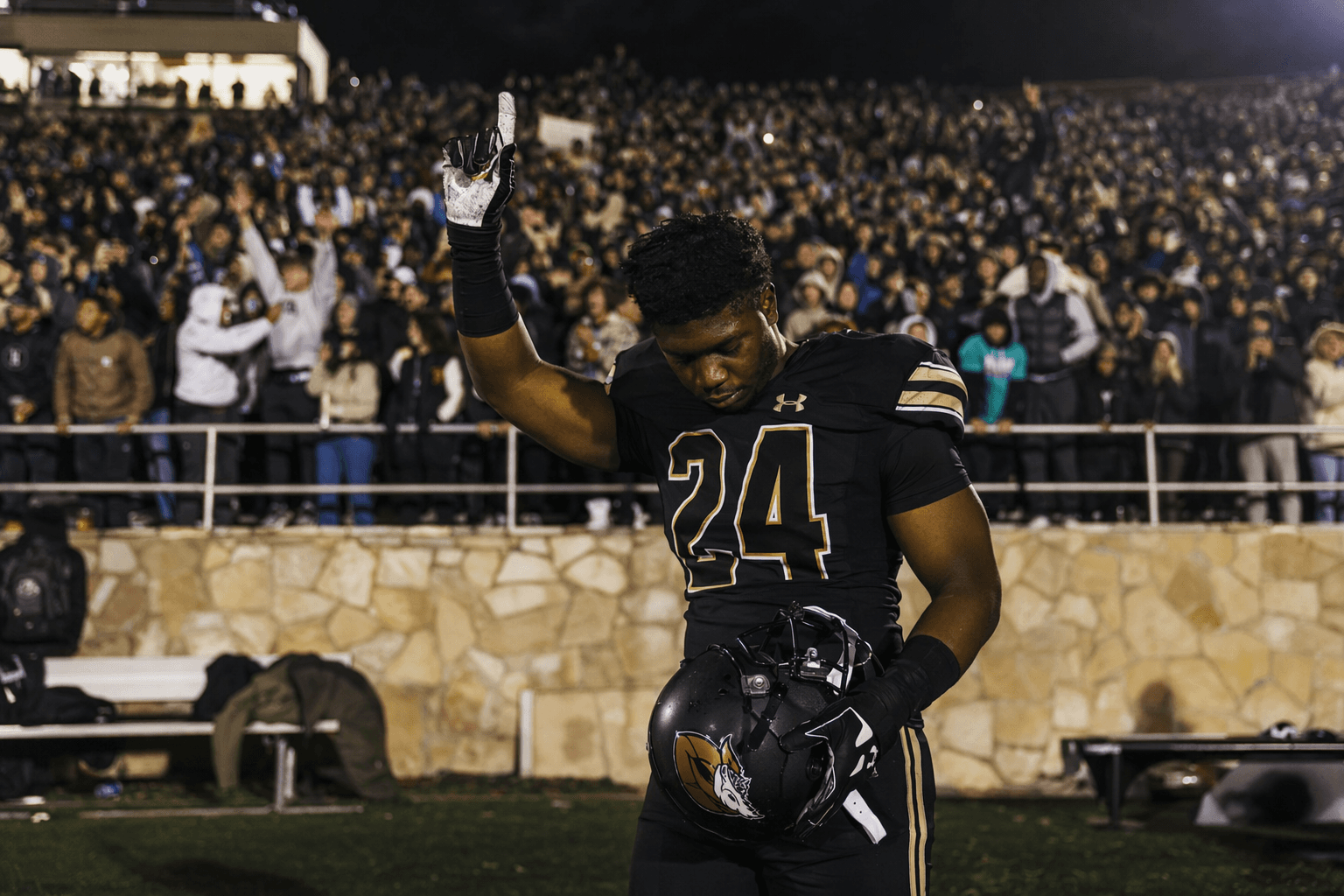
That is why the current wave of support for the “FCS is better than FBS” argument is resonating. It is not built on nostalgia alone. It is built on the feeling that the subdivision still protects the things college football used to sell first: regional identity, real stakes, and the chance for a program to climb into the center of the sport without being swallowed by a television deal.
The split that made two different products
The divide goes back to the NCAA Convention of January 1978, when Division I football split into Division I-A and Division I-AA for football only. In 2006, those labels were changed to the Football Bowl Subdivision and the Football Championship Subdivision, but the football cultures underneath them never became the same.
That original split mattered because it created two different answers to the same question: how should college football crown a champion? The FCS went with a playoff. The FBS went with bowls and, eventually, a playoff of its own that still feels less accessible to the average fan because the path to the title is narrower and more controlled.
For FCS fans, that distinction is the whole point. The subdivision was built around a championship model, not a showcase model, and that structural choice still shapes everything from the season’s rhythm to the way communities attach to it.
A playoff format that still feels earned
The FCS championship began in 1978 as a four-team, single-elimination tournament in Wichita Falls, Texas. Florida A&M beat Massachusetts 35-28 in that first title game, setting the tone for a format that rewarded survival, not branding. The bracket expanded to eight teams in 1981, 12 in 1982, and 16 in 1986, and the field has kept growing since then.
By 2024, the FCS playoff field had reached 24 teams, with the top 16 teams seeded. That matters because it gives more programs a real shot at the postseason while still preserving the pressure that makes March-style bracket drama feel alive in December. Every round has consequences. Every upset changes the bracket. Every road win feels like a statement, not a footnote.
North Dakota State’s latest title only sharpened the appeal. Beating an undefeated Montana State team 35-32 for its 10th FCS championship gave the playoff model exactly the kind of finish it promises: elite teams, no escape routes, and one team walking out with proof.
Why the underdog case is stronger in the FCS
The underdog appeal is not a slogan. It is the product of the format. FCS programs can rise fast, stay local in spirit, and build followings without needing the same level of national oxygen that FBS powers demand. That gives fans a version of college football where the team down the road still feels like it belongs in the same conversation as the bluebloods.
This is also why regional rivalries matter so much. In the FCS, the schedule and playoff paths often keep the sport tied to geography in a way the FBS increasingly does not. Fans know the opponents, the bus trips, the repeated matchups, and the stakes of beating the nearest rival in front of a crowd that actually cares who owns the county line.
That intimacy is part of the resistance to FBS commercialization. When football starts to feel like inventory, FCS still feels like a game.
The scholarship gap is part of the identity
The NCAA rules also make the difference plain. FBS teams can operate with up to 85 football scholarships, while FCS schools remain under the 63-scholarship equivalency limit. That gap is real, and it shapes roster depth, recruiting, and the way coaches build teams.
And yet the smaller number has become part of the FCS identity rather than a flaw to hide. Programs have to be sharper with development, more creative in evaluation, and more willing to turn overlooked players into headline names. That is exactly where the “untapped talent” message lands. The FCS has always been a place where a player can arrive under the radar and leave with a national reputation.
The NCAA has also had to keep adjusting how the subdivisions interact. In 2020, it approved a waiver that lowered the scholarship threshold for an FCS opponent to count toward FBS bowl-eligibility rules from 90 percent to 80 percent for that season. A 2022 change further adjusted the requirement. Even those rule tweaks underline the same basic truth: the subdivisions are separate, but the FCS still has to be understood on its own terms.
Governance, crowds, and the proof that it is not small-time
The NCAA Division I Football Championship Subdivision Oversight Committee exists for a reason. FCS football has its own governance needs, its own championship structure, and its own set of priorities. That separate oversight reinforces what fans already know: this is not an FBS imitation, and the healthiest version of the argument is the one that treats it as a distinct product.
The attendance record backs that up. The Division I Football Championship drew an all-time mark of 258,066 in 2015, and the same postseason has produced marquee moments that travel beyond the subdivision’s usual footprint. North Dakota State and Jacksonville State played in front of a record Frisco crowd of 21,836 at Toyota Stadium in 2015, a number that tells you the championship game can still feel like an event, not a placeholder.
That kind of crowd is a reminder that FCS fans are not choosing the subdivision because they cannot follow the bigger machine. They are choosing it because they prefer a version of the sport where the lines are clearer, the stakes are immediate, and the path to the title is not buried under marketing.
Why the message is spreading now
This is the opening FCS Untapped has been tapping into with its praise of the subdivision’s underdogs, pure play, and untapped talent over FBS commercialization. The reaction has traction because it speaks to what many fans already sense: the FCS still gives them something that feels earned, local, and competitive in a way that the bigger subdivision often cannot.
The best argument for FCS is not that it is bigger than FBS or richer than FBS. It is that it knows exactly what it is. It offers a real playoff, a tighter bond between teams and towns, and a title chase that still rewards belief as much as brand power. In a sport increasingly defined by scale, that is a rare advantage, and it is exactly why the FCS case keeps getting louder.
This article was produced by Prism’s automated news system from verified source data, official records, and press releases, then run through automated quality and moderation checks before publishing. The system is built and supervised by the people who set the standards it runs under. Read our full AI policy.
Did this article answer your question?