FCS quarterback projections spotlight 2026 starters and playoff implications
A full-map quarterback projection shows which FCS contenders have stability, which are guessing, and how the 24-team playoff race could shift.
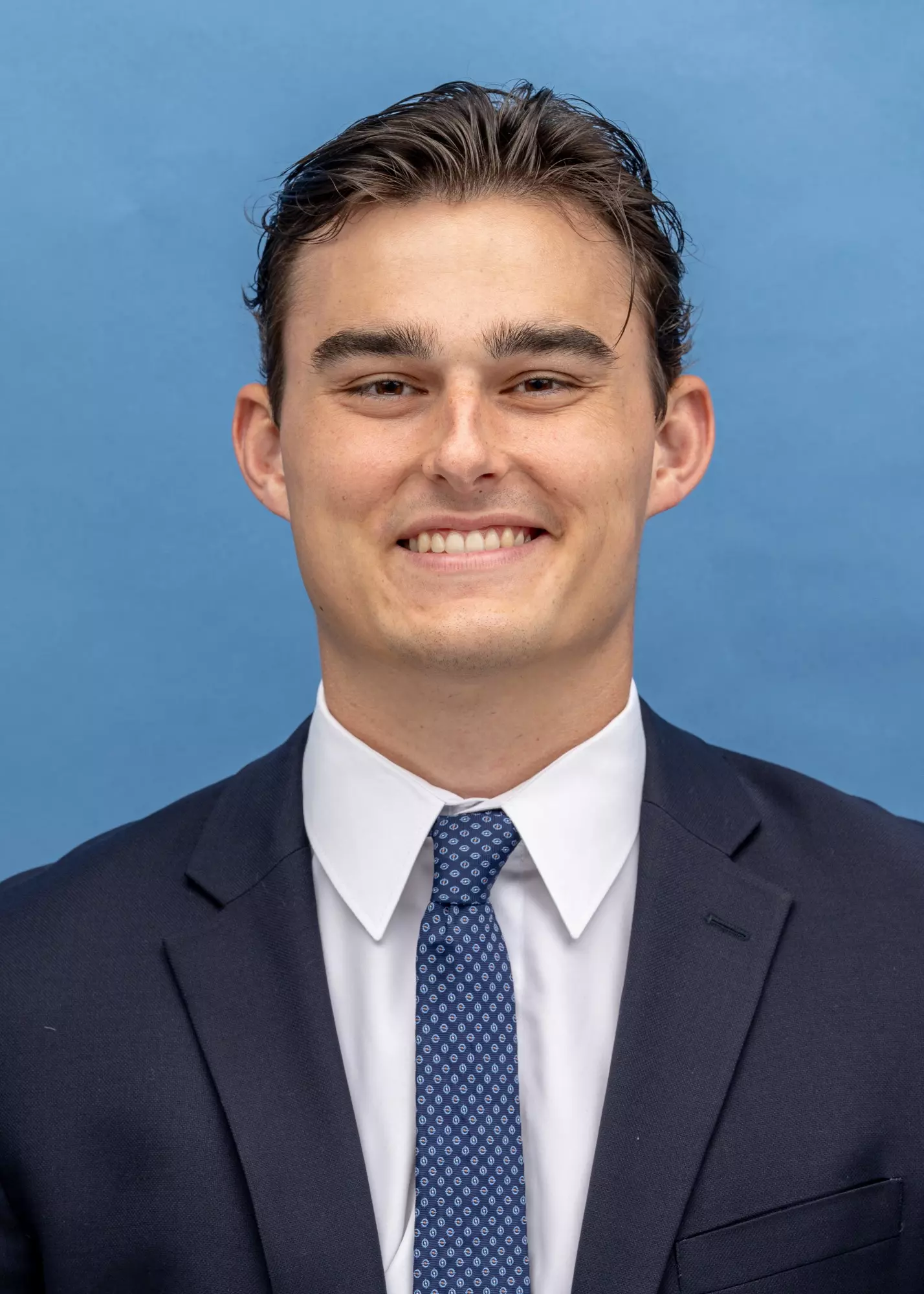
The most valuable offseason edge in FCS football is often invisible until September, and it usually starts at quarterback. Underdog Dynasty’s “Projecting Every FCS Starting QB for 2026” tries to sort all 128 starting jobs in the subdivision, turning roster churn into a map of who can actually survive the weekly grind.
That matters because a senior who posted career highs of 2,099 passing yards, 18 touchdowns and 12.2 yards per attempt is the difference between a functional offense and a season built on hope. It also matters because Columbia’s Chase Goodwin already has a captaincy, a championship backdrop and enough 2024-to-2025 production to make stability look like a competitive advantage rather than a luxury.
Quarterback certainty is the new separator
The quarterback turnover wave from 2025 is still shaping the conversation. On January 22, 2026, HERO Sports noted that six of the top eight preseason FCS teams had new starting quarterbacks entering the 2025 season, a reminder that even the sport’s top tier can be reshuffled by one position.
The rules around movement have tightened, too. In September 2025, the NCAA’s Division I Administrative Committee eliminated the spring transfer window for football, and later transfer-window reporting showed that the sport no longer has a spring portal period for FBS and FCS players. ESPN also noted that the committee did not sign off on making January 2-11 the lone portal window, which leaves quarterback decisions concentrated in the winter and gives spring projections more staying power.
That structural change is why a full 128-quarterback projection lands differently now than it did even a year ago. When coaches know spring won’t bring another wave of exits, they can build the rest of the roster around a starter they trust, or spend the winter scrambling if the room is unsettled.
Columbia’s Chase Goodwin shows what real stability looks like
Goodwin is one of the cleanest examples of why a projection can be more than guesswork. Columbia lists him as a 2025 team captain, and the Lions’ official statistics show he completed 109 passes for 1,262 yards and nine touchdowns in 2025 after a 2024 season in which he played in five games, made five starts and went 78-for-117 for 879 yards and six touchdowns.
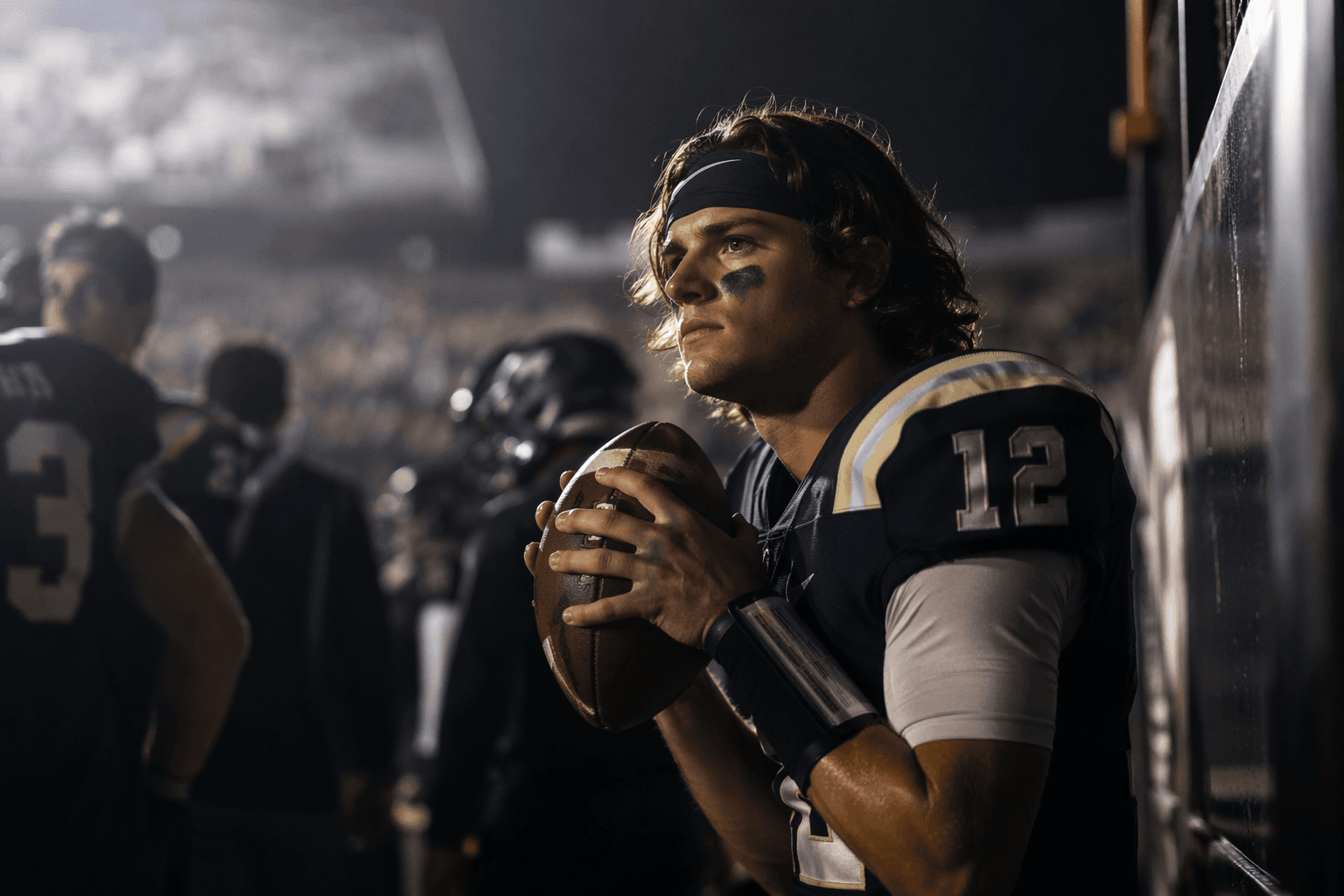
That production fits the kind of profile that gives a staff a real offseason spine. Columbia media tied Goodwin to the program’s 2024 Ivy League championship season, which adds another layer of context to why the Lions can enter a new year with more certainty than teams still sorting out a quarterback battle.
Goodwin is also the sort of player whose role extends beyond one stat line. A captain who has already handled both a starter’s workload and a championship-season context gives Columbia a defined identity before camp even opens, and that kind of clarity is exactly what unsettled FCS rooms are chasing.
The returning quarterbacks who shape the top of the board
The projection picture gets sharper at the top because several proven quarterbacks are coming back. HERO Sports’ April 29, 2026 ranking highlighted returning names that matter across the subdivision, including Beau Brungard at Youngstown State, Justin Lamson at Montana State, Keali’i Ah Yat at Montana, Ty Pennington at Northern Arizona, Jordan Cooke at Idaho State and Chris Parson.
Brungard is the clearest proof of what an elite returner can do to a team’s ceiling. He won the Walter Payton Award after throwing for 3,234 yards, 26 touchdowns and three interceptions while also rushing for 1,468 yards and 27 scores, a workload that makes Youngstown State dangerous in every phase of the game. When a quarterback can create that much on the ground and in the air, the rest of the roster does not have to carry the same burden.
That kind of experience changes how opponents prepare, how conferences sort themselves out and how a playoff committee reads a résumé in November. Lamson, Ah Yat, Pennington, Cooke and Parson do not need the same numbers to matter, because returning starters in those programs already compress the uncertainty that usually sinks FCS seasons before they start.
Why the 128-QB map matters beyond one position
The value of a full-subdivision projection is that it exposes the places where coaching staffs are betting on projection instead of proof. If a team has a returning starter with 2025 production in hand, it can build around him now. If it does not, the entire offseason becomes a search for a ceiling that may not exist yet.
That is why the senior with 2,099 passing yards, 18 touchdowns and 12.2 yards per attempt belongs in the same conversation as the headline names. Numbers like those show that some teams are already operating from a known base, while others are still trying to identify who can take the first snap, read the defense and keep the season from tilting by October.
The difference is not abstract. In an era of 24-team FCS playoffs, a settled quarterback can mean the gap between an at-large bid and the wrong side of the bubble, or between a seed and a road-heavy bracket. One clean quarterback answer can stabilize a conference race; one unresolved room can turn a promising roster into a weekly guess.
The playoff stakes are already built into the projection
That is why the best way to read the quarterback board is as a power structure, not a depth-chart exercise. The teams with proven starters enter the season with a higher floor, the teams leaning on projection have to find answers fast, and the programs with breakout candidates can still change the conference race if the quarterback clicks early.
The broader 2026 picture favors the teams that have already solved the position. With the spring transfer window gone, January decisions carry more weight, and the quarterbacks who return now have a clearer runway to define the year. In a subdivision where one position still moves everything else, the programs with certainty under center are the ones most likely to shape the postseason conversation.
This article was produced by Prism’s automated news system from verified source data, official records, and press releases, then run through automated quality and moderation checks before publishing. The system is built and supervised by the people who set the standards it runs under. Read our full AI policy.
Did this article answer your question?