FCS Realignment Forces Travel, Scheduling Strains for NC A&T, Hampton, Tennessee State
FCS conference realignment, including a high-profile North Dakota State move, is creating travel and scheduling pressure for HBCUs North Carolina A&T, Hampton and Tennessee State.

FCS conference realignment has begun to ripple through the HBCU landscape, forcing longer trips, tougher scheduling and potential budget strain for North Carolina A&T, Hampton and Tennessee State. Kendrick Marshall reported on Feb. 9, 2026 that the recent wave of moves, including a high-profile North Dakota State move, will affect HBCU programs, and coverage from HBCUSports flags travel as an explicit consequence for those three schools. Social posts amplifying the reporting also warned that league changes by other schools will directly affect Black colleges that are not in HBCU conferences.
The immediate impact is logistical. Expanded conference footprints and shuffling opponents can mean more midweek travel, additional overnight stays and less predictable travel windows for student-athletes. For programs such as North Carolina A&T, Hampton and Tennessee State, which have historically scheduled regionally to manage costs and preserve rivalries, those shifts can undermine established travel patterns and inflate athletic department budgets. Marshall’s reporting indicates North Carolina A&T will remain in an expanded configuration, though the excerpts available do not provide a full description of that structure.
Scheduling also becomes more complicated. Conferences that add distant members often compress regional scheduling or force schools to fill nonconference slots with farther opponents. That can erode traditional rivalries and reduce the number of nearby games that drive local attendance and gameday revenue. For HBCU programs that rely on a mix of ticket income, marching band visibility and homecoming traditions, a swing toward more road-heavy schedules could hit both finances and atmosphere.
The business calculus behind many of these moves is familiar: institutions seek better media exposure, playoff positioning and revenue. When a high-profile FCS program like North Dakota State changes leagues, the knock-on effects reverberate through scheduling matrices and television lineups. That can shift recruiting narratives as well; prospects who weigh travel time, academic disruption and family accessibility may react differently if a program’s conference footprint expands dramatically.
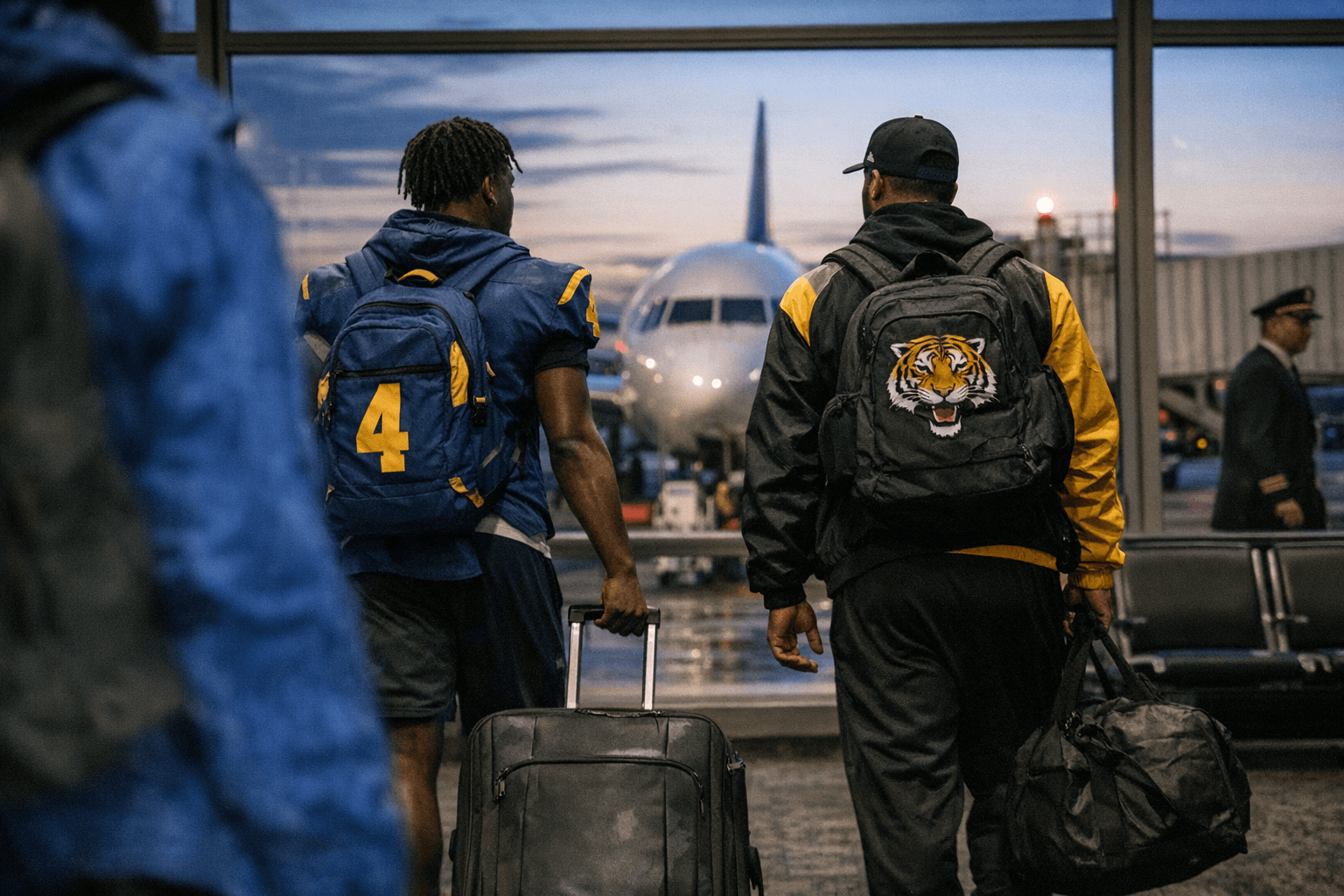
Cultural stakes are significant. HBCUs cultivate regional recruiting pipelines and community-centered game days that feed alumni loyalty. Increased travel and altered schedules risk diluting those connections. The reporting also highlights a separate concern: schools outside traditional HBCU conferences can be affected by others’ moves, creating a web of disruption that extends beyond league labels.
What comes next matters for fans and stakeholders. Athletic departments will need to quantify additional travel miles, adjust budgets and potentially rework nonconference scheduling to preserve home dates and rivalry matchups. Conference announcements, upcoming schedules and statements from the athletic directors at North Carolina A&T, Hampton and Tennessee State will clarify the practical effects. For now, supporters should prepare for more road trips, shifting rivalries and a period of adjustment as realignment reshapes the FCS map and its consequences for HBCU football.
This article was produced by Prism’s automated news system from verified source data, official records, and press releases, then run through automated quality and moderation checks before publishing. The system is built and supervised by the people who set the standards it runs under. Read our full AI policy.
Did this article answer your question?