Florida A&M hit with NCAA APR penalties, barred from 2026 postseason
Florida A&M's postseason path vanished with a Level Two APR ban, wiping out any shot at the SWAC title game, Celebration Bowl or FCS playoffs in 2026.
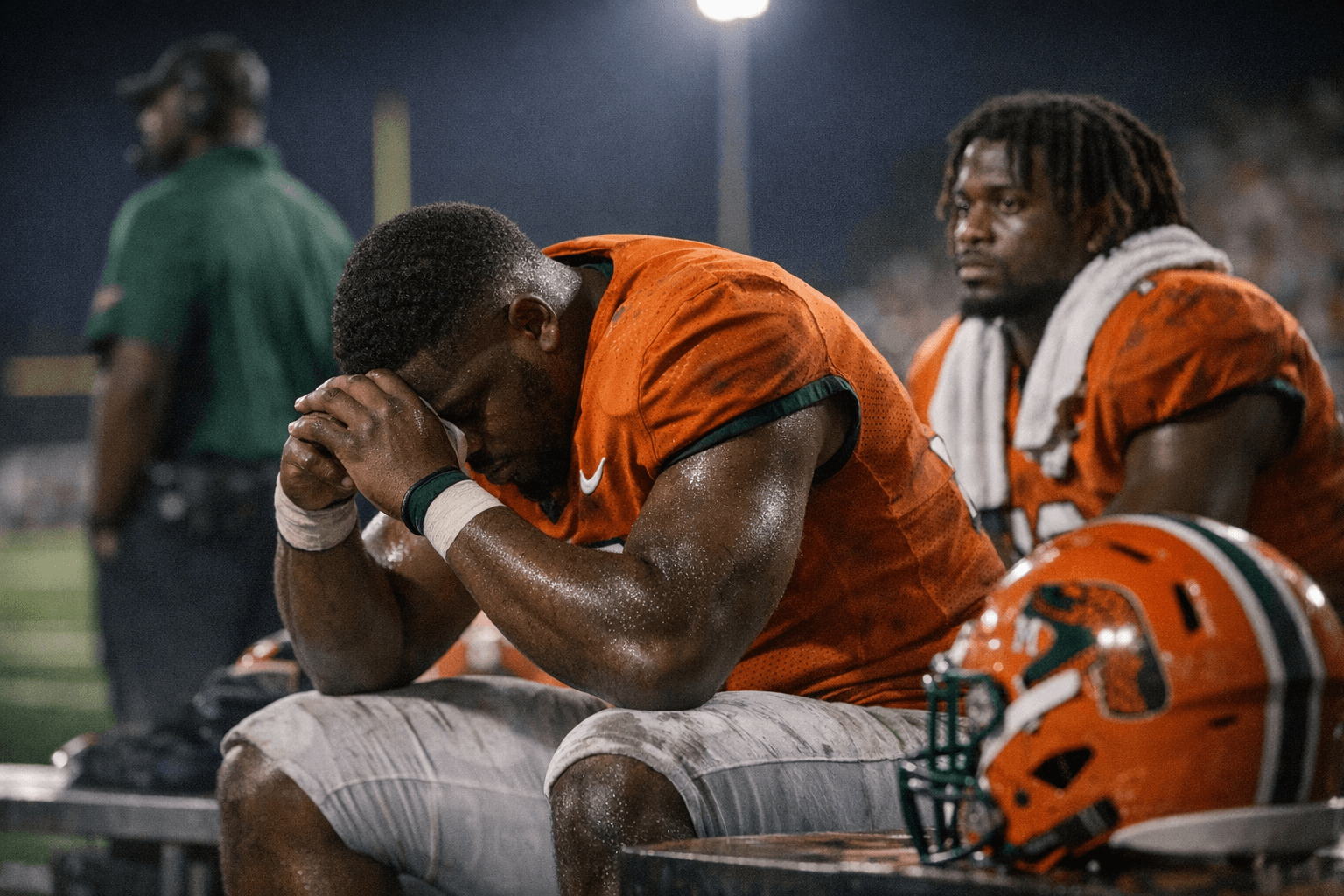
Florida A&M’s 2026 football season has been stripped of its postseason ceiling before a snap is even taken, with NCAA Level Two APR penalties making the Rattlers ineligible for the SWAC championship game, the Celebration Bowl and the FCS playoffs. The sanctions also bring practice restrictions, turning what should have been a run at another title into a season spent playing without an endgame.
The university announced the punishment on April 10, saying the penalties stem from a multi-year Academic Progress Rate that fell below the NCAA’s 930 benchmark. APR is a rolling four-year measure of academic eligibility and retention for scholarship athletes, and falling short can trigger escalating penalties. FAMU had been operating under a conditional waiver for the 2025 season, but the school said the waiver’s conditions were not met, leaving the postseason ban in place for 2026.
The fallout lands hard on a program that has lived near the top of HBCU football. Florida A&M won the SWAC and played in the Celebration Bowl in 2023, and this ban now changes the recruiting pitch as well as the competitive math. High school prospects and transfers will hear a different message from Tallahassee this cycle: the roster can still develop, but it cannot finish with a conference crown or a national playoff run. That matters in the SWAC, where postseason access is part of how programs sell opportunity, exposure and a path to championship football.
President Marva B. Johnson, J.D., said the penalties reflect “a failure of institutional infrastructure, not a failure of our student-athletes.” Athletic director John F. Davis said the university “fully accepts the NCAA’s findings” and has already started an enhanced academic action plan. First-year coach Quinn Fordham Gray Sr., hired Dec. 23, 2025, framed the issue as central to the program’s identity, saying, “Academics and football are not competing priorities in our program - they are the same priority.”
The timing adds another layer. Johnson took office on Aug. 1, 2025, Davis was introduced as athletic director in January 2026 and Gray is still early in his tenure, yet the APR window covers years before all three arrived. That leaves Florida A&M trying to solve a problem that is bigger than one staff or one season. The school said it intends to use 2026 to strengthen its academic support structure, but for a roster built to compete for a SWAC title, the immediate reality is blunt: the wins can still count, the trophies cannot.
This article was produced by Prism’s automated news system from verified source data, official records, and press releases, then run through automated quality and moderation checks before publishing. The system is built and supervised by the people who set the standards it runs under. Read our full AI policy.
Did this article answer your question?