How FCS overtime works, from the 25-yard line to two-point tries
FCS overtime starts at the 25, then shifts to mandatory two-point tries in later periods. That rule changes coaching, roster value, and upset odds when games get wild.

Each FCS overtime possession starts at the opponent’s 25-yard line, not in NFL-style sudden death. The NCAA rule book keeps the structure clean, and the postseason uses the same format. By the time the game reaches a third extra period, the math changes again, and so do the stakes.
How the first overtime starts
The ball is close enough to score but far enough away to keep the defense alive. A drive can end with a touchdown, a field goal, a turnover, or a stop, and there is no running game clock to bleed away.
A team does not need to navigate 80 yards of field position, and a defense does not need to survive an entire quarter. It needs one clean sequence, one break on the ball, or one takeaway.
When the scoring rules tighten
The format becomes more severe in the second overtime. Once a team scores a touchdown, it must go for two instead of kicking the standard extra point. That change puts red-zone efficiency under a microscope, because a touchdown no longer settles anything by itself. It also pushes short-yardage packages, formation discipline, and defensive recognition to the center of the game.
By the third overtime, the format becomes alternating two-point conversion attempts only. There are no more full possessions from the 25, which turns the game into a compact chess match built around a few favorite calls and a few defensive answers. A coordinator who has saved a best conversion design for later may finally need it, but only if the game survives long enough to reach that stage.
On March 12, 2021, the NCAA Football Rules Committee recommended a tweak to overtime rules, and on April 22, 2021, a panel approved the changes. The new setup was thrown into the spotlight when Illinois and Penn State played a nine-overtime game later that season, a nationally watched example of how quickly a marathon can turn into a pure conversion contest.
Why coaches value different players in overtime
Overtime changes roster value because the game stops rewarding only the biggest-volume players. A reliable kicker can end it from the first possession. A quarterback who handles quarterback power, quick-game throws, and two-point concepts becomes more valuable than a passer who only thrives in long, scripted drives. On defense, a staff wants players who tackle in space and recognize motion without hesitation, because a two-point play gives the offense almost no room for error.
The second and third overtime periods also force coaches to think several moves ahead. Do you take the field goal if you have it, or chase a touchdown because you trust your two-point package? Do you save your best conversion play, or use it before the other sideline can get a full read on your tendencies?
Special teams still matter, but in a different way. A field goal from the 25-yard line can end the game in the first overtime, so kicking accuracy remains a real weapon. Once the rules shift to mandatory two-point tries, though, the emphasis moves away from specialist kicking and toward offensive timing, formation precision, and defensive communication in a compressed field.
Why underdogs can live in this format
Overtime helps explain why FCS upsets can feel so volatile. A favorite usually has more total talent, but overtime strips away the normal advantages of depth, clock control, and long-field possession football. Every team gets the ball in the same place, and the shorter the format gets, the more one missed assignment or one broken tackle can flip the result.
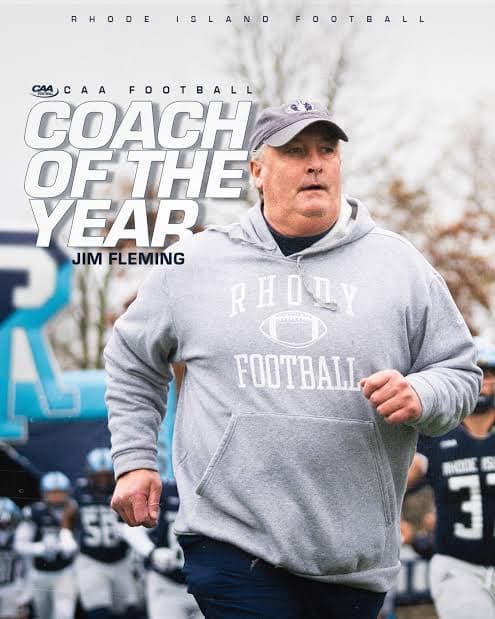
Rhode Island beat Monmouth 48-46 in a seven-overtime game, the most overtimes in one FCS game, and Bethune-Cookman had previously set the FCS mark with a six-overtime win over Virginia State on Sept. 26, 1998.
The longer the game stretches, the more it exposes a team’s best and weakest traits. The offense that looked steady for three quarters has to keep winning on one snap at a time. The defense that looked tired in regulation suddenly gets one more chance from the 25. And once the game reaches the third extra period, every possession becomes a two-point decision.
Where college overtime came from
College football overtime was introduced in the 1995 postseason, and the first overtime game came in the 1995 Las Vegas Bowl, where Toledo beat Nevada 40-37.
This article was produced by Prism’s automated news system from verified source data, official records, and press releases, then run through automated quality and moderation checks before publishing. The system is built and supervised by the people who set the standards it runs under. Read our full AI policy.
Did this article answer your question?