How FCS Prospects Use Pro Days to Climb NFL Draft Boards
A single pro day morning can move an FCS prospect from undrafted afterthought to late-round target; here's exactly how scouts evaluate small-school athletes.
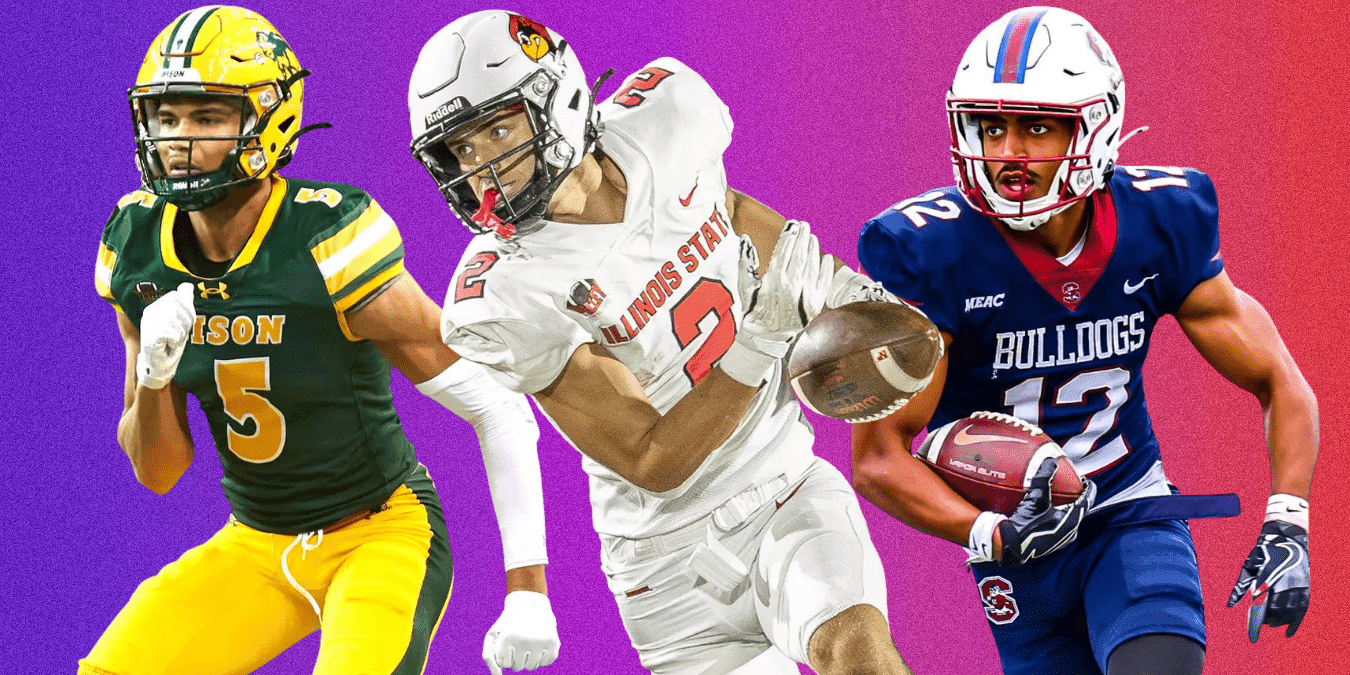
The NFL Scouting Combine ends, and the real work begins. For FCS prospects, the weeks that follow represent the most compressed and consequential audition window in professional football: pro day season. A player who spent four years dominating at the FCS level but was bypassed for a Combine invitation still has a realistic path to a draft card or undrafted free agent contract, and understanding that path is the difference between playing professionally and watching from home.
The Three-Lane Ecosystem
Once Combine week wraps, all 32 scouting departments pivot to pro day travel. Large programs typically schedule their campus pro days within two weeks of the Combine, giving top prospects who skipped Indianapolis, or who need to re-test after a subpar showing, a chance to perform in front of the full scouting community.
For FCS prospects, three distinct workout formats define the calendar:
- Campus pro days hosted by the FCS school itself
- Regional combines and multi-school events, including the Magic City Pro Day and the HBCU Showcase
- Private workouts requested by individual teams
Each format carries different weight. A campus pro day at a program like Weber State or North Dakota State draws scouts who have already logged tape hours on those rosters. Multi-school events like the HBCU Showcase and the NFL's organized regional combines pull representatives from most franchises simultaneously and also incorporate International Player Pathway invitees, making them particularly high-stakes for HBCU prospects who were not extended Combine bids. A private workout, by contrast, signals that at least one team has already moved a prospect up its board and wants a one-on-one evaluation before committing a pick.
What Scouts Are Actually Measuring
Evaluators at pro days sort prospects into three distinct buckets, and FCS players need to understand all three to maximize the event.
Measurable Testing
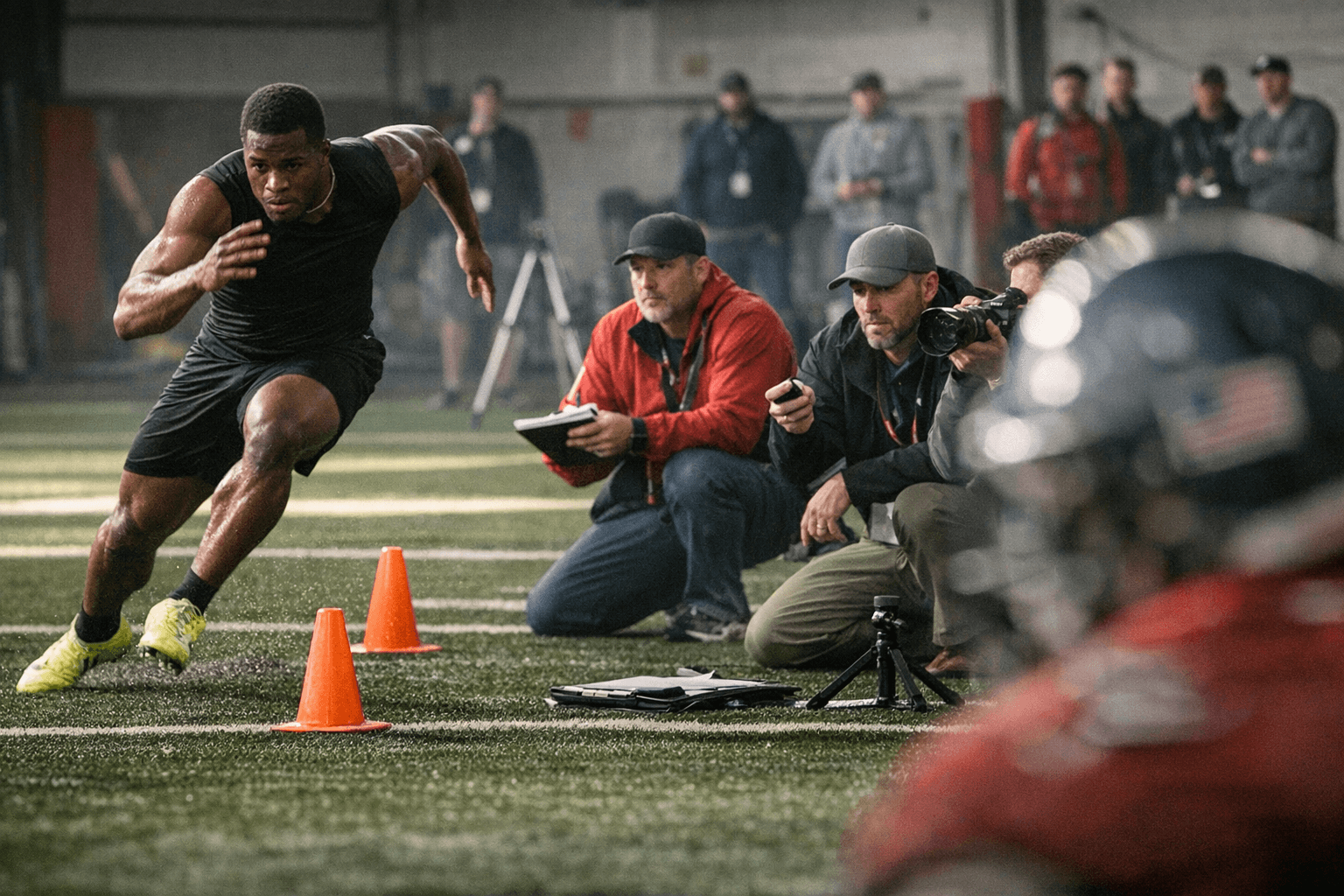
The 40-yard dash, vertical jump, broad jump, shuttle drills, and bench press form the first filter. For FCS players, these numbers carry outsized importance because scouts cannot rely on the same depth of competition context they have for Power Four prospects. The benchmarks are specific: a slot wide receiver running under 4.55 seconds in the 40 raises a legitimate NFL conversation; an edge rusher clocking between 4.6 and 4.75 seconds is within the professional range. A vertical jump at or above 36 inches for any skill-position player signals explosive athleticism that translates regardless of the competition level faced.
Strong testing numbers do not cancel poor tape, but they can neutralize the most common knock on FCS prospects, which is that they haven't been tested at the highest collegiate level. Conversely, soft testing numbers can confirm exactly that concern, even when the film looks clean, because scouts are projecting how an athlete will handle NFL-caliber speed and leverage.
Positional Drills
The second bucket covers football-specific work: route running, footwork, hand technique, and leverage for linemen and edge rushers. These drills give position coaches, who are often standing on the field at pro days, a chance to see a prospect respond to real coaching cues in real time. An FCS corner who excels in man-coverage drills can demonstrate hip fluidity and transition quickness that the tape may only partially capture.
Football Instincts
The third bucket is the hardest to quantify but often the most decisive for borderline prospects: play recognition and reaction time in situational drills. Scouts use these reps to assess processing speed, the one trait that distinguishes players who survive the NFL's pre-snap communication environment from those who don't.
Context That Changes Every Number
A 4.47 40-yard dash means something different depending on whether it was hand-timed or electronically clocked, whether the player ran in full pads or shorts, and who was standing on the sideline watching. Scouts track attendance closely; a showing that draws a team's general manager or offensive coordinator carries different implications than one attended only by area scouts. Beat writers covering pro days should publish these attendance details alongside the measured times, because context is not supplementary information, it is the story.
The best pro days build a narrative that sticks in draft rooms. An edge rusher from an HBCU program who puts up elite athleticism numbers at the HBCU Showcase can move from off the board entirely to late-round consideration in a single morning. That shift happens because the Showcase concentrates franchise decision-makers in one location, compressing what would otherwise be a months-long information-gathering process into a few hours of live evaluation.
How FCS Prospects Should Prepare
The physical preparation is necessary but not sufficient. Four specific priorities define a pro day that changes a draft grade:
1. Arrive in peak condition with consistent body weight and repeatable testing times. Fluctuating numbers across workouts signal conditioning problems that scouts flag immediately.
2. Work with pro-day specialists on position-group technique and testing mechanics. The 40-yard dash start, the shuttle footwork, and the route-running drills all have technical components that are coachable and directly affect the final numbers.
3. Film a polished set of positional reps in the same week as the pro day. This creates a synchronized package; scouts can pair the live performance with same-week tape to triangulate their grade with greater confidence.
4. Prepare a short, candid interview packet for team meetings. Pro personnel evaluate temperament, coachability, and situational awareness during those conversations, and for a small-school player with limited tape, the interview can be as determinative as the 40 time.
How Beat Writers Should Cover It
For journalists tracking the FCS-to-NFL pipeline, pro day coverage requires more than a results sheet. Publish verified, measured times and note whether they were hand-timed or electronically clocked. Identify which teams sent personnel and at what level. Pair the workout numbers with tape-based context, because the reason a 4.47 matters for a specific prospect is inseparable from what the 2025 film shows about his release quickness or his ability to separate against press coverage.
Equally important is tracking where prospects land after the draft. UDFA signings are as significant as late-round picks for small-school pipelines. A prospect who signs as an undrafted free agent and earns a spot on a 53-man roster has validated his program's scouting currency just as much as any seventh-round selection, and those outcomes deserve the same coverage rigor as draft-weekend results.
The FCS-to-NFL path is well-worn but narrowly traveled, and pro days are where that travel begins in earnest. For prospects, coaches, and the writers who document the journey, understanding the mechanics of this window is not background knowledge; it's the story itself.
This article was produced by Prism’s automated news system from verified source data, official records, and press releases, then run through automated quality and moderation checks before publishing. The system is built and supervised by the people who set the standards it runs under. Read our full AI policy.
Did this article answer your question?