How Nonconference Scheduling Shapes FCS Playoff Resumes, TV Visibility, Recruiting
Nonconference scheduling - especially FCS vs FBS "money games" and marquee FCS-FCS matchups - directly alters playoff resumes, TV windows, and recruiting momentum for FCS programs.
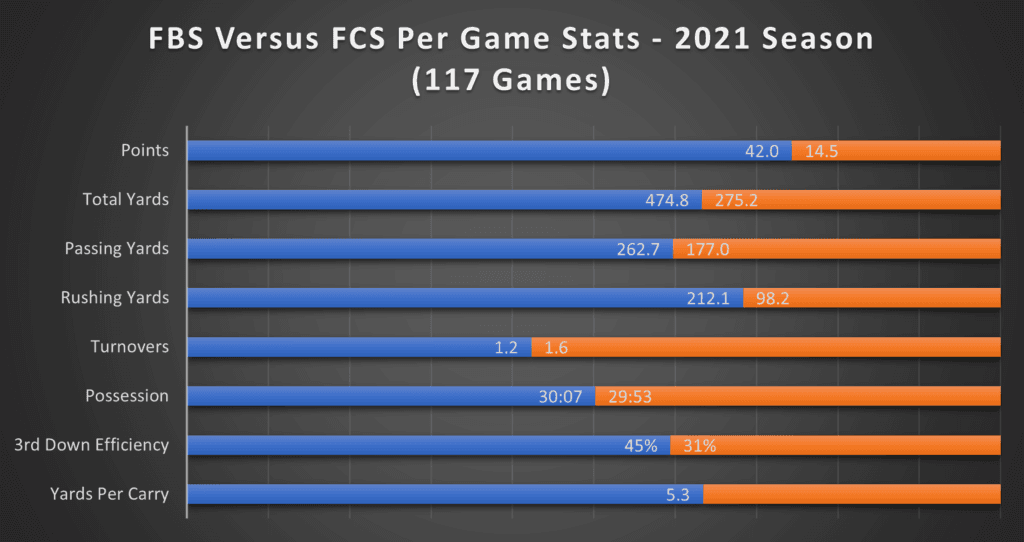
Nonconference scheduling is the fulcrum that can tip an FCS program into the playoff conversation or consign it to a rebuilding year. The choice between an FBS "money game" and a home-and-home FCS marquee matchup matters because wins and losses in those games carry different weight for playoff resumes, TV visibility, and recruiting calendars.
On the playoff resume front, an FCS team that plays an FBS opponent in a "money game" gains two distinct outcomes: a likely payday for the athletic department and a clear benchmark for strength of schedule. Selection committees and bracketologists look at FCS teams that schedule FBS opponents and then follow with quality FCS wins differently than teams that avoid FBS tests. Conversely, marquee FCS-FCS matchups early in the season create head-to-head comparisons that can serve as resume-defining wins when teams face similar conference slates later on.
TV visibility hinges on scheduling decisions that athletic directors and media partners negotiate months in advance. Midweek nonconference games historically attract national or regional TV windows that differ from Saturday afternoon slots; networks place higher value on FCS programs that deliver sellable matchups against FBS teams or marquee FCS rivals. Early-season matchups announced as part of multi-year deals can secure repeat TV exposure, which in turn elevates recruiting touchpoints when high school prospects and their families see regular broadcasts of game day environments.
Recruiting outcomes trace back to the same scheduling choices. Playing an FBS opponent provides current players with a national-stage experience and gives coaches a concrete selling point on campus visits. Hosting marquee FCS-FCS games brings peak attendance opportunities and local media coverage that boost a program’s profile in-state. Teams that consistently schedule midweek or high-profile nonconference opponents can cite television exposure and resume-building wins to targets in the 2027 and 2028 recruiting classes.

The business implications are clear: "money games" generate direct cash inflows that fund facilities, travel, and coaching resources, while marquee FCS-FCS series often trade immediate revenue for long-term brand equity and competitive parity. For athletic directors balancing budgets and competitive goals, the decision matrix includes broadcast windows, travel costs associated with midweek contests, and the playoff metric value assigned to each nonconference opponent.
When athletic departments announce midweek or early-season matchups, fans and boosters should scrutinize three concrete details: whether the opponent is FBS or FCS, whether the game is positioned in a TV window that favors exposure, and whether the matchup is part of a multi-year contract affecting future schedules. Those specific elements determine how a nonconference slate will shape a playoff resume, alter recruiting pipelines, and influence the program’s visibility on television.
This article was produced by Prism’s automated news system from verified source data, official records, and press releases, then run through automated quality and moderation checks before publishing. The system is built and supervised by the people who set the standards it runs under. Read our full AI policy.
Did this article answer your question?