How Pro Days Open NFL Doors for FCS Football Prospects
For FCS prospects, one pro day workout can reshape an entire draft profile. Here's how the process actually works, from pre-measurements to the data system all 32 NFL teams see.
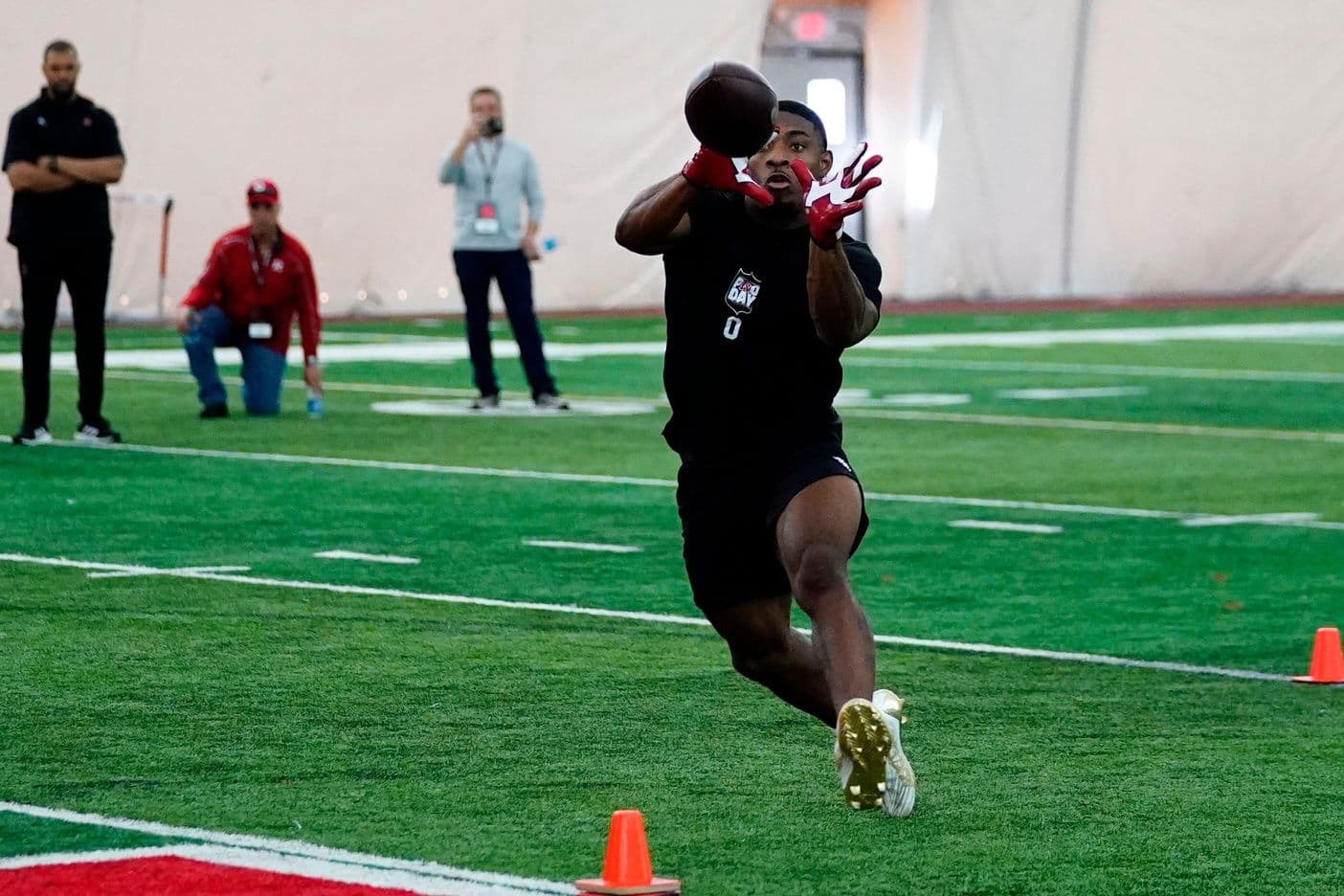
For FCS prospects chasing NFL opportunities, pro days are one of the most consequential single-day windows to alter a draft profile established by game film and combine performance. That framing isn't hype; it reflects the structural reality of how NFL scouting operates at the FCS level, where national exposure is limited and every in-person evaluation carries outsized weight.
What Pro Days Actually Do
The core function of a pro day isn't to introduce a prospect to NFL personnel; it's to verify what those personnel already think they know. "Pro days, much like everything else this time of year, it's really all about verification," according to scouting analysis of how NFL personnel use these events. "For many prospects, this is the last, sometimes the only time they will ever get a chance to work out in front of NFL coaches, NFL scouts, anybody NFL related."
That word "only" matters enormously for FCS players. A prospect from a Power conference school may have appeared on national television dozens of times and worked out at the Senior Bowl or East-West Shrine Game. An FCS prospect might have none of those credentials. A single pro day becomes the entire audition.
Every draft-eligible player from a school can participate, which means the event serves a broader population than just projected picks. Players who weren't invited to the NFL Scouting Combine get a structured opportunity to perform the same basic battery of tests in front of scouts who will write formal reports.
How Pro Days Differ from the NFL Scouting Combine
The combine is a centralized, highly controlled environment where roughly 300 invited prospects perform in front of the entire league simultaneously. A pro day is the opposite: decentralized, school-run, and open to any draft-eligible player at that institution. The access model is fundamentally different. At the combine, selection itself signals status. At a pro day, participation is the baseline, and the work a prospect puts in before and during the event determines whether scouts leave with something actionable.
Measurements: What Gets Recorded and Why
The measurement process begins before prospects ever step onto the field. Players are advised to complete pre-measurements when possible, specifically arm length and wingspan, to have that baseline information ready when scouts arrive. These numbers feed directly into how a player is profiled physically, and surprises on measurement day, positive or negative, can shift how a scout interprets the rest of the workout.
On-site, scouts handle paperwork, official measurements, and documentation. Everything gets entered into a centralized system. This isn't informal record-keeping; it's structured data collection that flows to all 32 NFL teams. A prospect who performs well, or who gets an injury notation, or who has a standout arm length measurement, has that information distributed league-wide from a single pro day.
The AP System and Why It Matters for Small-School Prospects
The most underappreciated piece of the pro day process is what happens with the data afterward. When a pro day is run through what scouting insiders refer to as the AP system, every piece of documented information from that event becomes accessible to all 32 teams, regardless of whether their scouts were physically present. "Everything that happened at that pro day, if it was an AP school, is going to be submitted for 32 teams to see," as one experienced scout framed it.
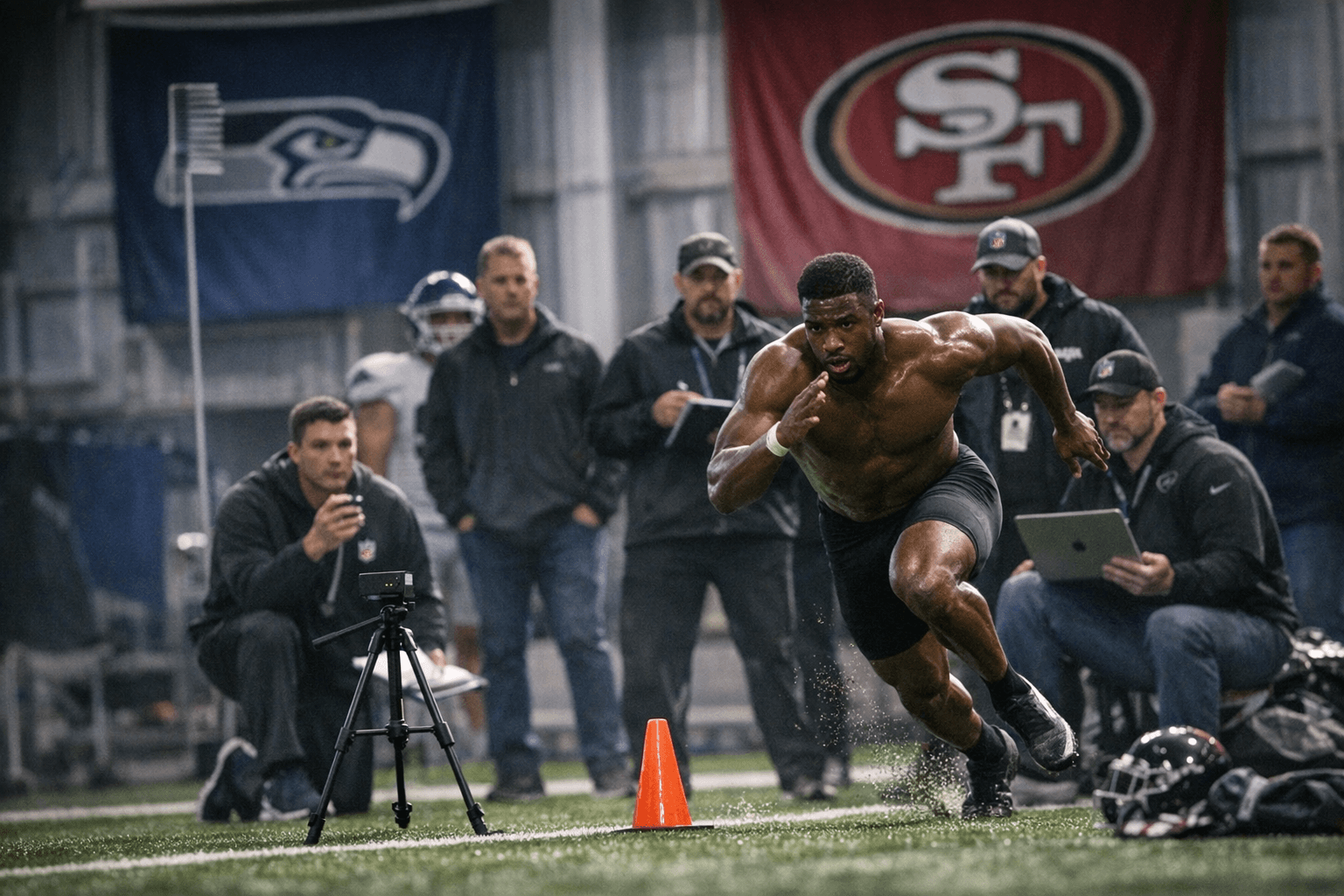
The practical implications are significant. If a scout had a scheduling conflict, a travel disruption, or was already assigned to a pro day at a different school that day, the data still reaches their team. If a prospect gets injured during the workout, the injury note goes into the system. If measurements were taken, those numbers are documented and shareable. "Maybe you had a conflict. Maybe you weren't able to get to a school. Maybe something crazy popped up with travel. You could always get in the system, see notes if somebody got hurt during the pro day, what their measurements were."
For FCS programs specifically, this centralized documentation is a significant equalizer. A prospect at a program without national television exposure can still have their measurements and performance notes land in front of every NFL front office, provided the pro day is run properly and entered into the system.
Scout Schedules and the Logistics of Covering Small Schools
NFL scouts covering FCS pro days operate under real logistical pressure. During the spring evaluation window, scouts often cover multiple schools in a single day, hitting one program in the morning and another in the afternoon. The expectation from both the scout's organization and the school is that a pro day moves efficiently. "You can be in and out of a lot of pro days in two to three hours. Get everything done, get on the road, and get to your next spot."
Scouts also divide responsibilities, meaning one scout may not personally observe every drill at every school. A scout who is assigned to handle measurements and paperwork may not have the same direct evaluation of a player's movement that a different scout would, simply based on where each person was standing and what they were documenting at any given moment. This is part of why the AP system's documentation function carries so much value: it fills in gaps that in-person observation alone cannot cover when scouts are spread thin.
Facility availability adds another logistical layer. FCS schools often run spring practices during the same period as pro days, which creates scheduling conflicts around field access, locker rooms, and weight room usage. Scouts and pro day coordinators account for this when planning the timeline.
What FCS Prospects Need to Understand Going In
The pro day is not a second chance to make a first impression; it's a chance to confirm or upgrade the impression already formed from game tape and any previous evaluations. Preparation means arriving with pre-measurement data already recorded, understanding that scouts may be moving through quickly, and performing with the efficiency the format demands.
Pro days are also genuine relationship-building opportunities. The format gives scouts direct access to every player at the school in a focused, relatively low-pressure setting. "It is a chance for scouts to get a bunch of really good interaction with every player, no matter what level you're at," as scouting sources put it, including players who have already attended the combine or All-Star games.
The quality of how a pro day is run matters as much as individual performances. Experienced scouts overseeing the logistics, coordinated school staff, and clean documentation practices determine whether a prospect's pro day data reaches all 32 teams in complete, usable form. An FCS prospect who performs well at a poorly run pro day with incomplete data submission misses the full benefit of what the event can provide. Getting measurements documented accurately, having paperwork processed correctly, and ensuring everything is entered into the system completely are baseline requirements that protect a prospect's work.
The window is narrow. The preparation is specific. And for an FCS player without a combine invitation or an All-Star game appearance, a two-to-three-hour pro day workout may represent the clearest path to getting a legitimate look from the NFL.
Know something we missed? Have a correction or additional information?
Submit a Tip