Ivy League, Patriot lead FCS APR rankings as playoffs open to Ivies
Ivy football’s playoff opening turned APR into a recruiting weapon, with the Patriot League and Big Sky setting the closest non-Ivy academic standard.
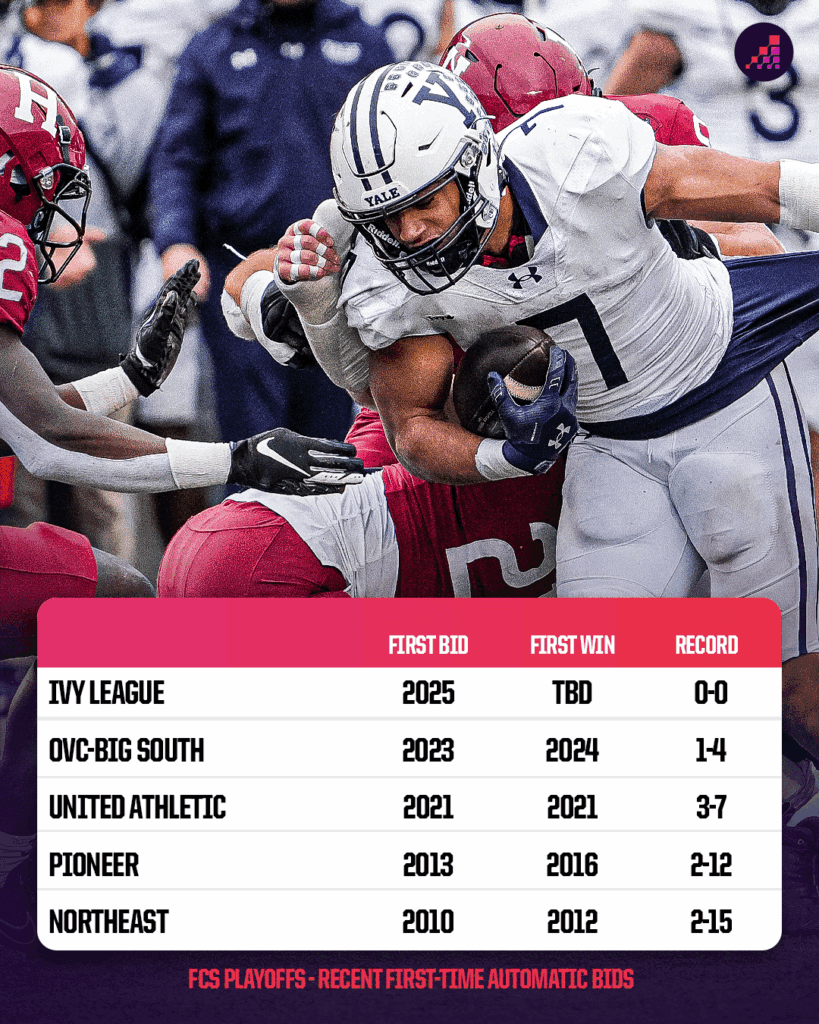
Ivy League football’s new playoff access has made academic credibility part of the FCS sales pitch, not just a talking point. With the Ivies finally eligible for the postseason, the league’s classroom reputation now carries on-field value, and the latest APR numbers show why coaches are leaning into that message.
The NCAA’s Academic Progress Rate is a four-year rolling average, searchable by conference, institution, state, year, postseason and penalty type, and conference affiliation is tied to the current year. That matters in a shifting FCS map, where realignment is already reshaping conference identities and where academic consistency can become a cleaner brand than roster churn.
The Ivy League became playoff-eligible beginning with the 2025 season after more than four decades out of the bracket, following a December 2024 vote by Ivy League presidents after a proposal from the Ivy League Student-Athlete Advisory Committee. Brown, Columbia, Cornell, Dartmouth, Harvard, Penn, Princeton and Yale now have a path to the FCS playoffs, including an automatic bid for the league champion and at-large consideration for others. Harvard and Yale finished tied at 6-1 in Ivy play in 2025, a reminder that the league’s new postseason standing arrives with real football relevance.
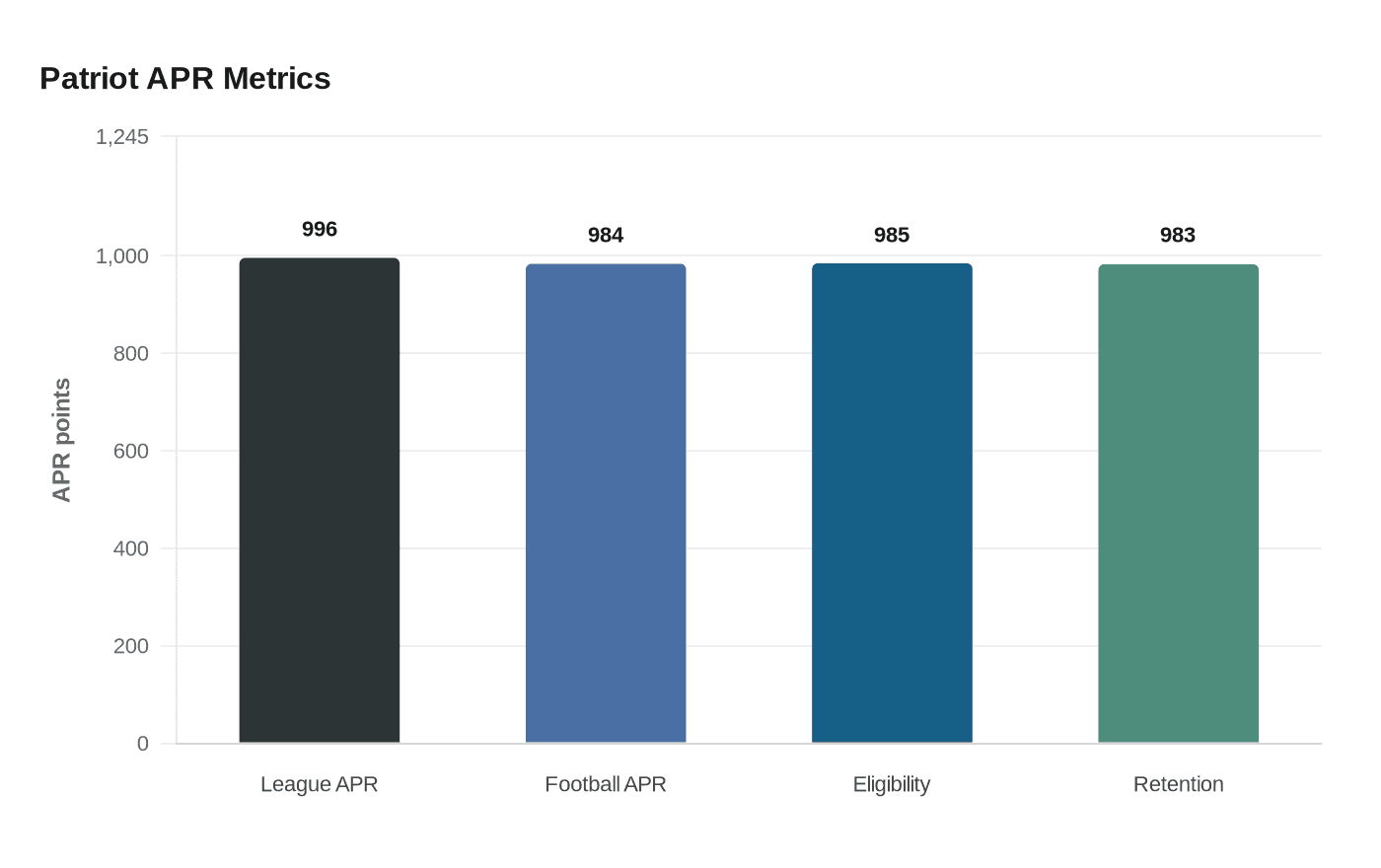
The Patriot League set the benchmark among the closest non-Ivy peers. In the latest NCAA release it cited, the league said it led all 32 Division I conferences with a 996 APR, and its football programs ranked second in the FCS in APR at 984, eligibility at 985 and retention at 983 for the 2023-24 academic year. That gives Patriot coaches a straightforward argument in recruiting: strong academics, strong retention and a league-wide profile that stacks up with anyone outside the Ivies.
The Big Sky also remained a major player in the academic conversation. The conference said the national four-year APR average held at 984 for a fourth consecutive year, marking the 21st year of APR data collection. It added that 17 Big Sky teams across all 10 full-time members earned perfect 1,000 scores, while 67 of its 125 teams finished above the national average. With APR penalties and postseason restrictions again being enforced for teams below 930 after pandemic-era pauses and waivers, the message is sharper than ever: academic stability still carries consequences, and competitive programs are being measured on it again.
That is the backdrop as the FCS enters 2026 with 128 overall programs and eight of the 13 conferences affected by realignment. In a landscape where movement between levels and conferences is already changing recruiting lists, the Ivy League’s new playoff path, the Patriot League’s APR lead and the Big Sky’s depth give coaches three different ways to sell the same idea: academic strength is not a side note anymore, it is a competitive advantage.
This article was produced by Prism’s automated news system from verified source data, official records, and press releases, then run through automated quality and moderation checks before publishing. The system is built and supervised by the people who set the standards it runs under. Read our full AI policy.
Did this article answer your question?