Missouri State Adds 22 Midyear Transfers Including 14 From FBS
Missouri State added 22 midyear transfers, including 14 from FBS, to bolster roster depth and experience ahead of the 2026 season.
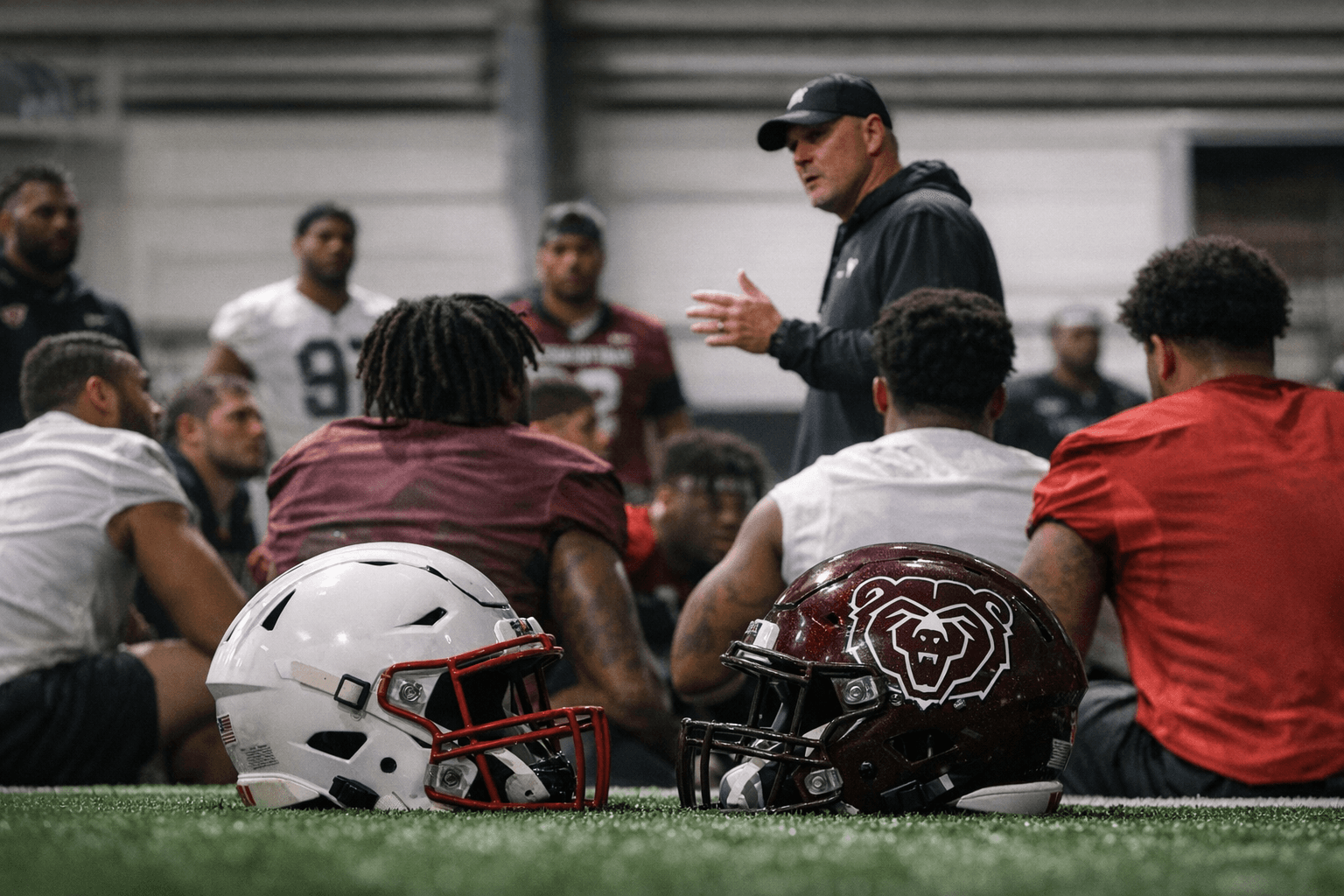
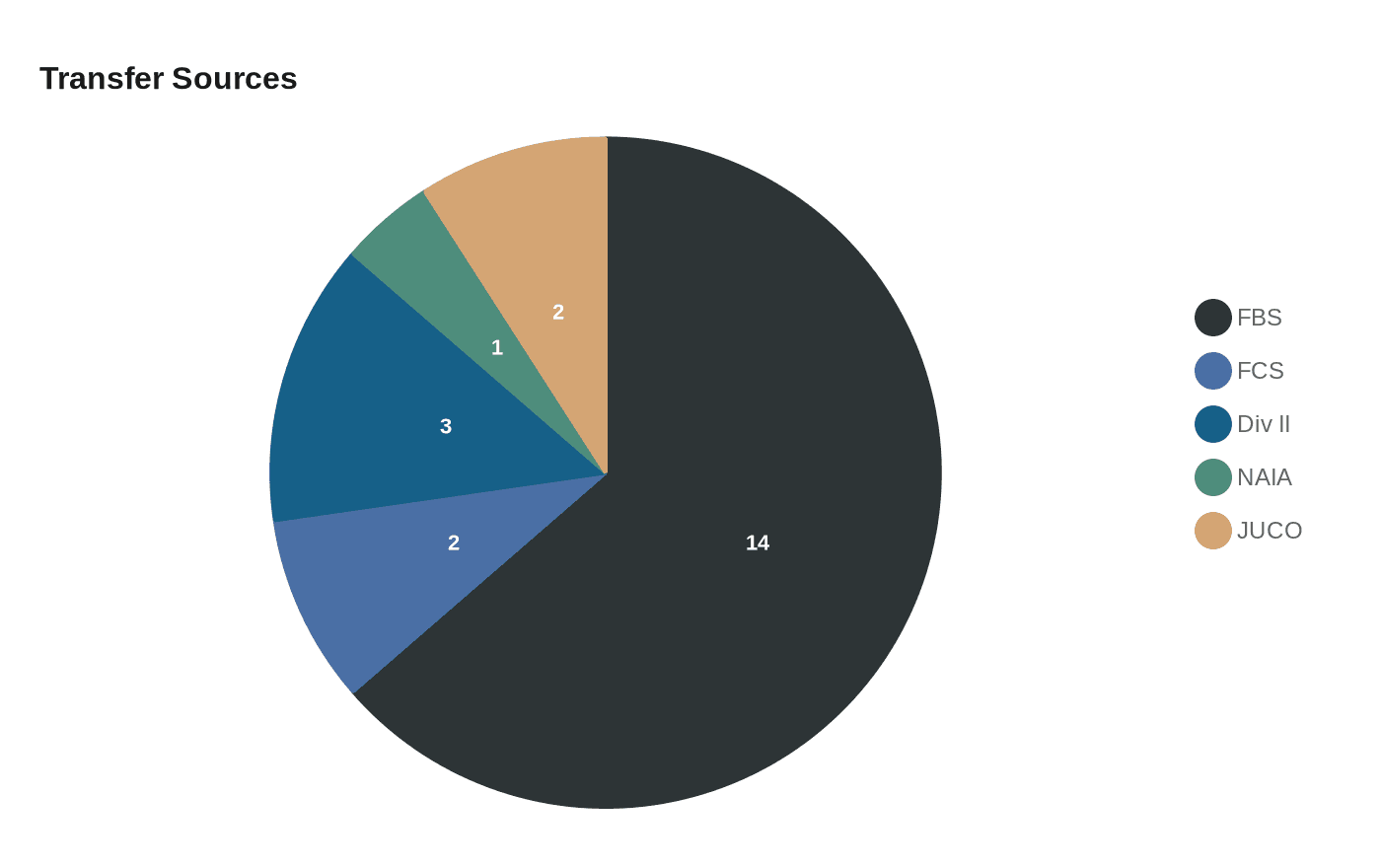
Missouri State's football program announced a substantial midyear infusion of talent that could reshape the Bears' roster heading into 2026. Head coach Casey Woods revealed that 22 transfer players will join the program, with 14 coming from FBS schools, two from other FCS programs, three from Division II, one from the NAIA and two junior college transfers. The class arrives alongside strong roster continuity, a combination that aims to accelerate competitiveness in the Missouri Valley.
Woods framed the moves as part of a broader retention and roster-building strategy. “In an era of college football that allows unrestricted movement, we have worked to retain more than 70 returning players and commitments from last year. We also have a chance to celebrate 22 new additions to the Bears family and our campus community.” The coach announced the additions on Jan. 20, 2026 and emphasized both retention and targeted recruitment through the transfer portal.
The makeup of the class signals immediate-versus-developmental potential. Fourteen FBS transfers can supply game experience, physical maturity and familiarity with high-level practice environments, attributes that often translate to early playing time at FCS programs. The two FCS transfers and three Division II arrivals provide complementary skill sets and depth, while the NAIA and JUCO signees underscore the program’s willingness to mine all levels of college football for contributors. Because the release lists positions and provenance, Missouri State’s staff appears to have addressed specific roster needs even without adding a full freshman class.
For FCS followers, this haul matters on multiple levels. On the field, midyear arrivals who enroll in spring classes can compete immediately for starting roles and special-team assignments, altering depth charts and off-season competitions. In the Missouri Valley, where parity and veteran talent often decide conference races, the injection of FBS experience could tilt close matchups. Off the field, the strategy reflects continuing industry trends: the transfer portal remains the dominant mechanism for roster construction, and FBS-to-FCS movement is increasingly common as players seek playing time, system fits or new opportunities.
There are cultural and social implications as well. The class blends players from diverse academic and athletic backgrounds, offering the Bears new leadership voices and community-engagement opportunities across Springfield. Economically, successful integration could boost ticket demand, local interest and program momentum heading into spring practice.
Next steps for Missouri State include spring ball and positional battles that will clarify how many transfers become immediate difference-makers. For fans, the headline is clear: the Bears have doubled down on experience and depth, and the coming months will reveal whether these 22 arrivals convert potential into wins.
This article was produced by Prism’s automated news system from verified source data, official records, and press releases, then run through automated quality and moderation checks before publishing. The system is built and supervised by the people who set the standards it runs under. Read our full AI policy.
Did this article answer your question?