Montana State leads deep FCS field entering 2026 season
Montana State opens 2026 as the FCS standard after a 35-34 overtime title win, but the real story is a deeper middle tier that could reshape the playoff race.
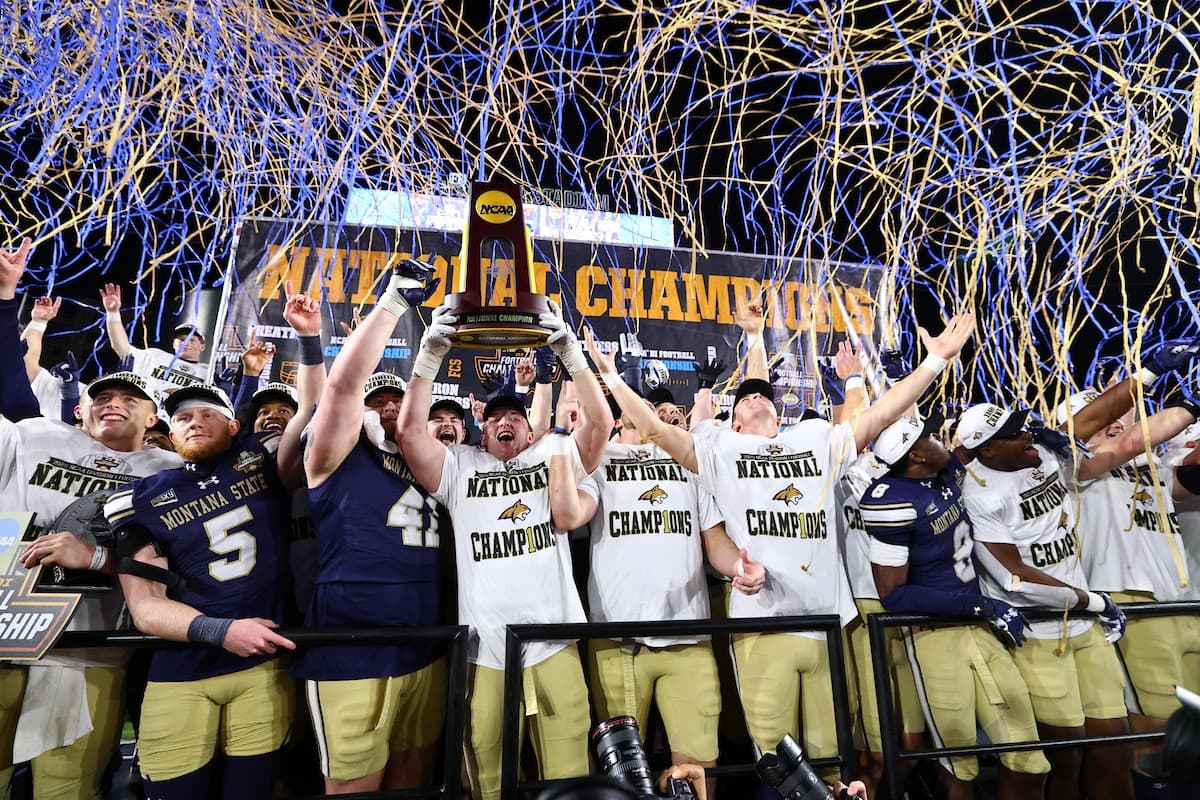
Montana State did not just win the 2025 FCS national title. It grabbed the No. 1 spot in the 2026 conversation by surviving Illinois State 35-34 in overtime at FirstBank Stadium in Nashville, then bringing back enough of that roster to make the Bobcats look like the team every contender has to chase. Justin Lamson’s overtime strike to Taco Dowler ended a run that gave Montana State its first national championship since 1984 and pushed the Bobcats to 14-2 under Brent Vigen, who enters his sixth season in Bozeman.
That matters because the 2026 race does not look like a one-team league. Montana State still sits on top, but the field behind it looks deeper than usual, and the gap may come down to who kept the most meaningful pieces through an offseason that did not get shredded by the portal. Lamson, Adam Jones, Dowler and Titan Fleischmann are among the major returnees that keep the Bobcats stocked at the positions that usually decide February-level football in November and December. In a subdivision where experience often beats hype, that kind of continuity is the closest thing to a cheat code.
The larger playoff picture only sharpens the stakes. The 2025-26 bracket was a 24-team field with the top 16 teams seeded and the top eight earning first-round byes, a setup that makes every regular-season slip expensive. If Montana State can secure another high seed, it gains the same kind of path that often separates a championship run from a good postseason. If not, the middle of the bracket is crowded enough to punish even a small dip. That is why the early rankings matter now: the top line may be stable, but the path below it is not.

Herder’s early read also fits the broader shape of the subdivision. The FCS will have 128 teams and 13 conferences in 2026, and the offseason stability has been striking, with many top players choosing to stay put rather than jump into the transfer portal. That leaves the preseason field less chaotic than usual and makes roster retention a real separator. Montana State looks like the clear favorite, but the more dangerous question is which programs in the second tier have enough experience, depth and schedule strength to force a reorder before October. In a league this deep, the champion is often the team that survives the longest without looking vulnerable. Montana State starts there.
This article was produced by Prism’s automated news system from verified source data, official records, and press releases, then run through automated quality and moderation checks before publishing. The system is built and supervised by the people who set the standards it runs under. Read our full AI policy.
Know something we missed? Have a correction or additional information?
Submit a Tip