NCAA Cabinet Approves Strict Transfer Portal Rules, Hitting FCS Programs Hard
NCAA's new ghost transfer rule auto-suspends FCS head coaches for half a season and fines programs 20% of their sport budget; one wrong move now wrecks a conference race.
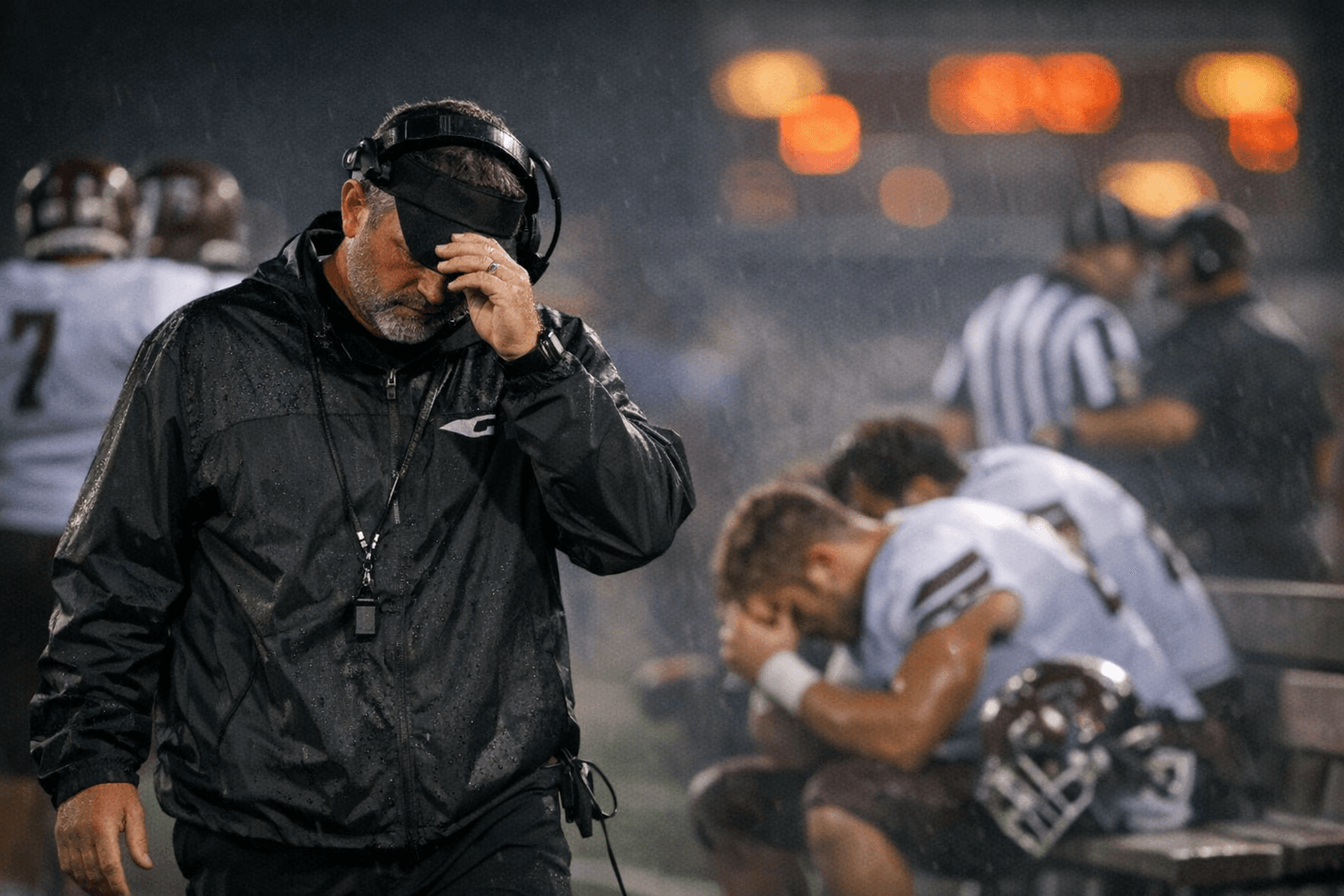
A single compliance failure can now cost an FCS head coach roughly five to six games on the sideline. The NCAA Division I Cabinet approved emergency legislation on April 1, imposing automatic penalties on any program that signs, adds to the roster, or allows athletic participation by a transfer athlete who has not first entered the official Transfer Portal. The penalties are not negotiable: a head coach suspension covering 50% of the season and a fine equal to 20% of that sport's operating budget fire automatically the moment a violation is confirmed.
The rule, originally proposed by the Football Bowl Subdivision Oversight Committee and adopted for all Division I sports, is effective immediately and applies retroactively to any transfer that occurred on or after Feb. 25, 2026. That backdating is the detail FCS compliance offices need to treat as urgent. Programs that informally arranged spring additions before the April 1 vote are already under scrutiny.
The ghost transfer phenomenon had become a growing concern for the NCAA, and two cases made the competitive damage impossible to ignore. BYU quarterback Jake Retzlaff faced a seven-game honor code suspension last year after both portal windows had already closed, so he unenrolled from BYU, enrolled at Tulane as a walk-on and was eventually put on scholarship. He started for the Green Wave, throwing for 3,168 yards and 15 touchdowns while leading Tulane into the College Football Playoff. Wisconsin defensive back Xavier Lucas executed a similar exit to Miami in January 2025 without ever entering the portal. Both moves were unilateral, legally invisible to competing programs, and devastatingly effective.
For FCS programs, the budget math makes this rule bite differently than it does at the FBS level. Where a Power Four school can absorb a 20% sport-budget fine as a rounding error, an FCS program operating a football budget in the low seven figures absorbs that same percentage as a structural hit that can reach six figures. Combine that with a head coach sidelined for five to six games in an 11-game regular season, and one compliance mistake can detonate a program's entire fall.
The conference-race scenario is not abstract. In the Missouri Valley Football Conference or the Big South-OVC, playoff seeding routinely comes down to one or two wins. A head coach who misses the back stretch of the schedule does not just cost a team sideline leadership on game days; it disrupts in-game adjustments, signals institutional dysfunction to recruits watching from the stands, and poisons the program's credibility heading into the portal cycle that follows.
Here is exactly what triggers a violation, how the NCAA tracks compliance, and what happens when a case surfaces during a season. A violation occurs the moment a transfer athlete participates in any athletically related activity before his portal entry is recorded. The NCAA cross-references portal entry timestamps against institutional practice logs and game participation records. There is no grace period, no warning-first mechanism, and no discretion once a violation is established. Penalties are automatic. If a program is flagged mid-season, the head coach suspension begins immediately, meaning the back half of a conference schedule could be coached by a staff member who was not on the sideline for any of the film the opponent has studied.
Vanderbilt head coach Clark Lea, whose advocacy helped drive the FBS Oversight Committee's original proposal, said it was "a necessary step to address a critical roster management issue facing our sport." For FCS programs, the translation is more immediate: verify every transfer's portal entry timestamp before he attends a single walkthrough, because the cost of getting it wrong is measured in games, not just dollars.
Additional legislation connected to this reform push is moving separately. The FBS Oversight Committee introduced a proposal to eliminate the two-year bowl eligibility transition penalty for programs moving from FCS to FBS, effective with the 2026 season, provided they finish 6-6 and fulfill a conference bowl commitment. The timing is significant for North Dakota State and Sacramento State, both of which make the jump to FBS in July. That proposal goes before the full Division I Cabinet in June, and its outcome will reshape the calculus for any FCS program eyeing a future reclassification.
This article was produced by Prism’s automated news system from verified source data, official records, and press releases, then run through automated quality and moderation checks before publishing. The system is built and supervised by the people who set the standards it runs under. Read our full AI policy.
Did this article answer your question?