NCAA keeps new punt rule despite fierce FCS, FBS coaching backlash
The NCAA kept its new punt rule, forcing FCS coaches to rethink late-game field position, fake punts and coverage when number-exception players are on the field.
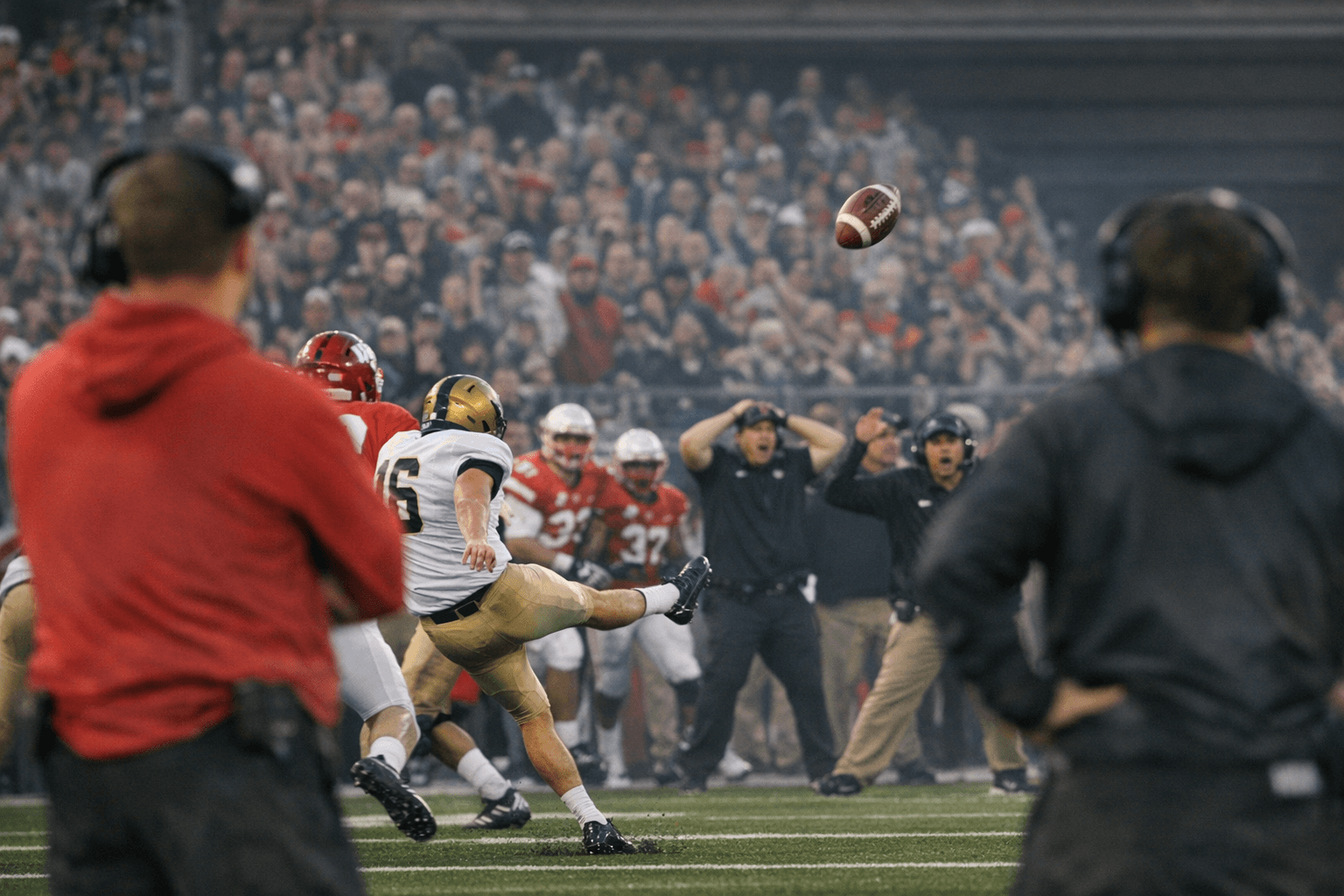
The NCAA has kept the punt rule that coaches say will change field position math in the fourth quarter, narrow fake-punt options and force staffs to police their own personnel before every snap this fall. Approved by the Division I Football Bowl Subdivision Oversight Committee on March 19 and set to take effect for the 2026 season, the change applies when punts use jersey number exceptions, or players wearing numbers outside the traditional 50-79 range.
Under the rule, the snapper and the two adjacent linemen on each side, when aligned in or touching the tackle box, become ineligible receivers by position. NCAA officials said the point was to clarify who is eligible and cut down on officiating confusion as punt formations have grown more creative. For coaches, the practical effect is bigger than a rulebook cleanup: it changes how a staff protects the punt, how it disguises a fake and how aggressively it can sell coverage without tripping over alignment and eligibility issues.
The backlash was immediate and nearly universal. An informal survey of Division I head coaches and special teams coordinators reportedly produced a 61-1 vote against the change, and several prominent coaches said they were blindsided after the rule had already passed. Buffalo head coach Pete Lembo publicly criticized it on social media. Auburn special teams coordinator Jacob Bronowski called it an “INSANE rule change.” UMass special teams coordinator Joe Castellitto pointed directly to the 61-1 opposition, underscoring how isolated the support was.
New Mexico special teams coordinator Eric Link offered the most measured take, saying the rule will change some things but will not break his punt operation. Even that softer response carried an edge: staffs now have to manage more administrative check-ins and announcements for number-exception players, a wrinkle that could slow the operation and make hidden-ball tricks harder to sell.
For FCS programs, the impact reaches the moments that decide games. A late punt from midfield is no longer just about hang time and coverage lanes. It now comes with an extra layer of eligibility bookkeeping, especially if a coordinator wants to use number exceptions to disguise protection or spring a fake. Coaches already worry the rule could reduce creativity and disguise while increasing the risk of blocked punts, and that is why the argument around it has been so sharp. The NCAA said it wanted cleaner officiating. Coaches heard something else: a rule that could swing possessions.
This article was produced by Prism’s automated news system from verified source data, official records, and press releases, then run through automated quality and moderation checks before publishing. The system is built and supervised by the people who set the standards it runs under. Read our full AI policy.
Did this article answer your question?