Penn State Coaching Change, Temple Success Fuel Massive FCS Transfer Shuffle
Penn State's coaching change and Temple's recruiting surge sparked a wave of transfer-portal movement that is reshaping roster construction and opening new pathways for FCS players.
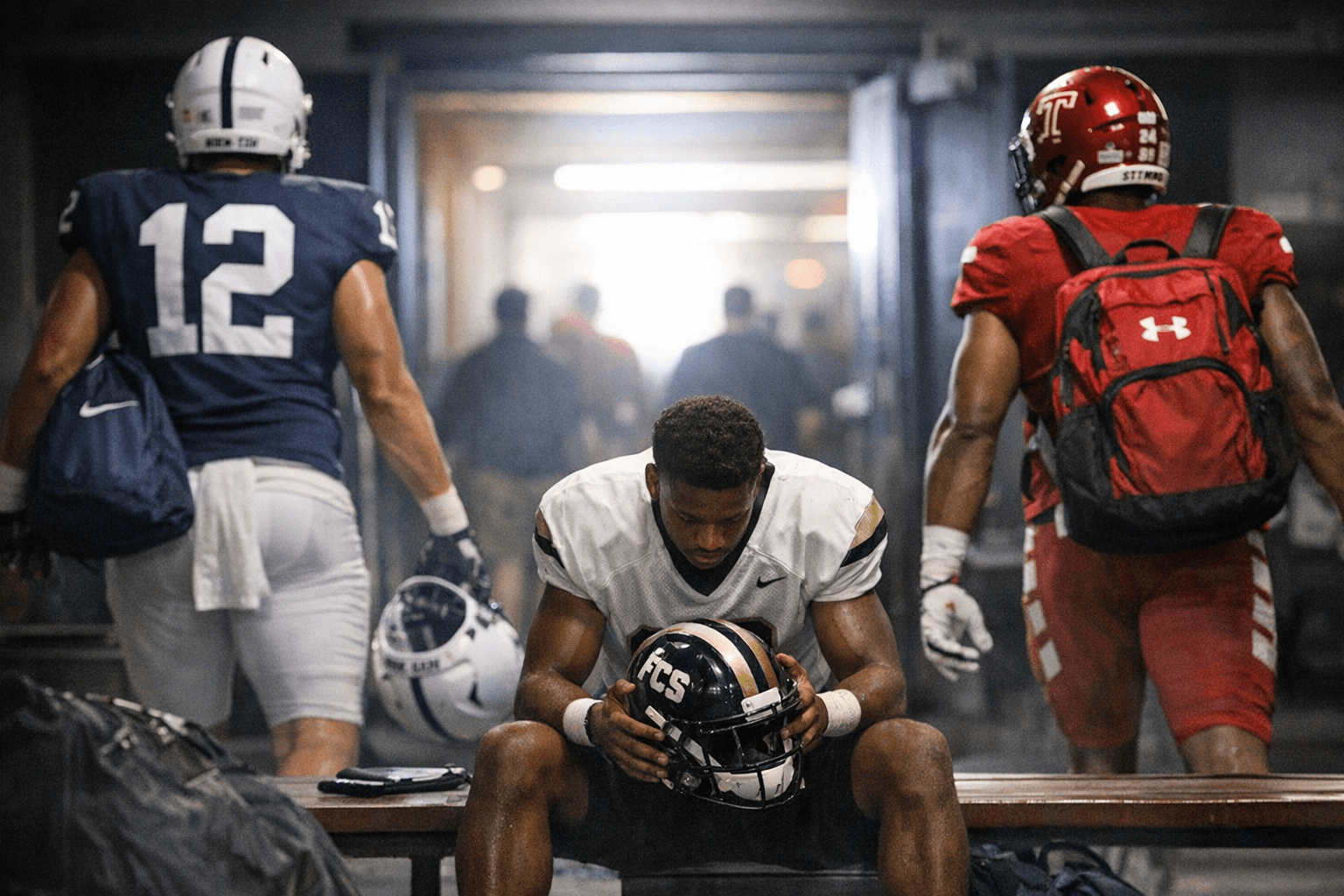
The early transfer-portal period that opened on January 13 created seismic roster ripple effects across college football, centered on two storylines: Penn State's post-coaching-change haul and Temple's heavy recruiting success. Those developments sent a clear market signal to FBS and FCS programs alike, accelerating player movement and forcing teams to rethink roster strategy, scholarship allocation, and player development pipelines.
Penn State's coaching transition prompted a concentration of portal activity as players evaluated their fit under new leadership. That churn produced a sizable inflow of commitments for the program while simultaneously releasing roster spots elsewhere. Temple's recruiting push amplified the trend by demonstrating how aggressive outreach can turn portal volatility into immediate roster upgrades. Together, these dynamics increased demand for experienced players at all levels and pushed FCS athletes into two distinct roles: as sources of FBS talent and as beneficiaries of the roster openings that FBS turnover produces.
For FCS programs, the portal reshuffle is a double-edged sword. On one hand, FCS teams are a proven reservoir of ready-to-play talent for FBS coaches seeking depth and experience; on the other hand, increased FBS poaching and intra-FCS transfer activity force smaller programs to plan for continual churn. Coaches at the FCS level are adjusting by accelerating evaluations, offering quicker playing-path guarantees, and leaning into relationship-based recruiting to retain and attract players who see the portal as a career accelerant.
The market effects run beyond personnel. Athletic departments are revising scholarship models, NIL plans, and roster-building timelines. Programs competing for transfers are balancing immediate need with long-term roster health, deciding whether to chase high-upside portal arrivals or invest in developing younger players who might stay longer. For mid-major and FCS staffs with limited recruiting budgets, this means prioritizing scouting networks and building a reputation as a launch pad for players seeking upward mobility.
Culturally, the portal era is reshaping team identity. Fan bases accustomed to multi-year roster continuity are now watching rosters flip from week to week, and that volatility affects on-field chemistry. The transfer-driven model rewards adaptable coaches who can integrate arrivals quickly and maintain cohesion. It also changes the calculus for players weighing playing time against exposure - an FCS starting role now looks more attractive to FBS hopefuls than ever.
For readers following FCS football, the immediate takeaway is that the portal is not simply an FBS story. The January surge centered on Penn State and Temple showed how top-level moves cascade down, creating new opportunities and challenges for FCS programs and players. The next phase will test which coaches and programs can turn portal turbulence into sustained advantage and which will be perennial rebuilding projects in an era where roster agility matters as much as recruiting class rankings.
Know something we missed? Have a correction or additional information?
Submit a Tip

