Proven Path for FCS Quarterbacks to Earn NFL Workouts
FCS quarterbacks earn NFL workouts by stacking pro-ready production, spotlighting at named showcases like Senior Bowl invites, and packaging stories with shareable, quantified impact to turn viewers into advocates.
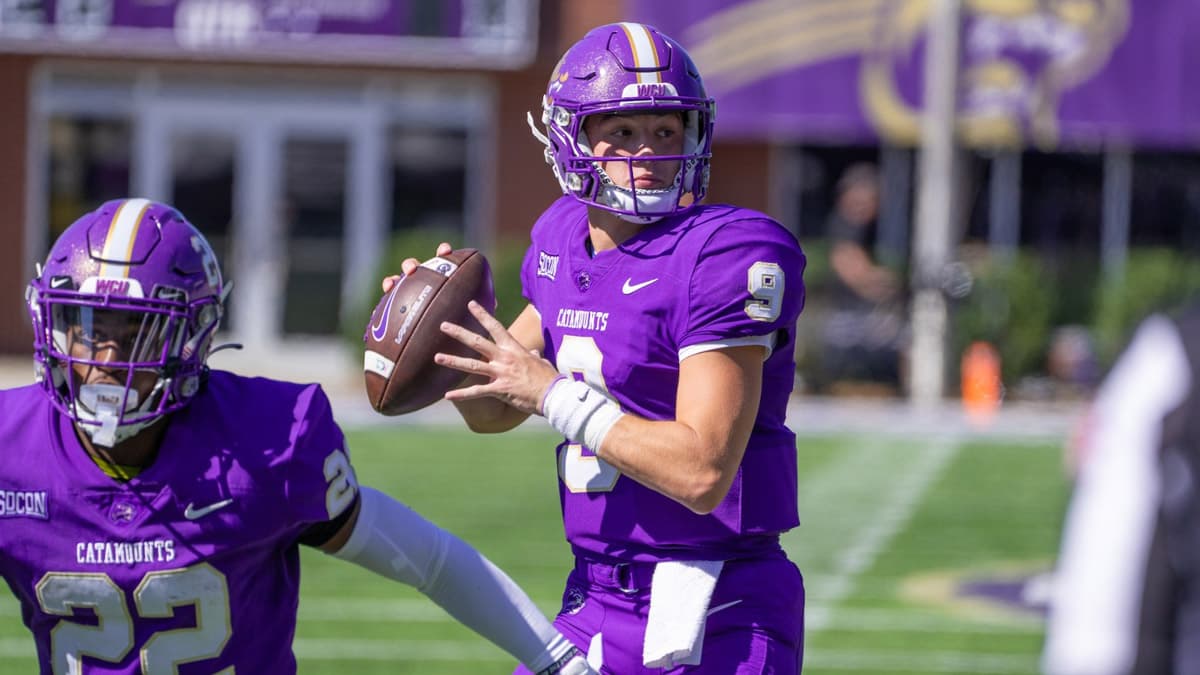
Small-school quarterbacks consistently reach NFL workouts by pairing pro-style, measurable production with strategic showcases and media packaging. This guide synthesizes proven moves used by successful FCS signal-callers and the reader-engagement tactics that convert passive viewers into sharers.
1. Produce pro-ready, quantifiable game tape
Delivering NFL interest starts with numbers: completion rate, touchdown-to-interception ratio, yards per attempt, and third-down conversion percentages that translate to pro scouting models. FCS quarterbacks who earned workouts emphasized measurable production, game-by-game stats that show consistent efficiency and late-game processing, so every highlight must be backed by the specific metrics scouts count.
2. Prioritize neutral-site and named-event performances
Neutral-site games and named events create novelty that scouts and media notice; a single standout in the right venue can equal a season of regional tape. Targets include neutral-site bowls and award showcases, these stages generate media hooks and are the exact contexts where NFL personnel compare small-school QBs against top competition, improving the credibility of an FCS resume.
3. Chase high-prestige invites (Senior Bowl and similar)
A Senior Bowl invite or equivalent all-star berth remains a multiplier for visibility: it's a direct channel to positional coaches and decision-makers. For FCS quarterbacks, earning that invite signals transferable traits and gives them live reps against future NFL talent, this is the clearest pathway from small-school production to formal NFL workouts.
4. Build a pro-style tape narrative (mechanics, reads, footwork)
Scouts evaluate more than raw stats; they need repeatable mechanics and quarterback processing that project to a pro offense. Frame film to highlight quick, accurate releases, consistent footwork, and clear pre-snap and post-snap processing, these are the detailed, coachable features that turn a “small-school star” tag into a viable NFL workout invite.
5. Time pro days and regional workouts strategically
Plan pro days and regional combines when momentum peaks after a decorated season or a named-event performance; timing matters more than one-off numbers. Use post-award windows, after bowl games or all-star showcases, to bring scouts back to a recent, high-visibility performance, increasing the chance your pro day converts into formal workouts.
6. Use narrative hooks that quantify team impact for media
Media framing that quantifies impact converts readers into sharers; examples from newsroom practice show ledes like “gives the Tigers an early spotlight” or “giving the Rockets an immediate boost at edge rusher” outperform flat commits. Craft pitches and press releases that lead with what the QB did for wins, scoring drives, or ranking movement, measured, team-level consequences are the share hook editors want.
7. Package a surprising stat and a named actor in outreach
With 98.2% of readers viewing passively and only 1.8% sharing, the single best growth lever is a package with a surprising stat and a recognizable name or venue. Lead outreach with a sharp figure (for example, a quarterback’s third-down conversion rate or touchdown percentage) plus a named actor, coach, award, or a Senior Bowl invite, to increase pick-up by local and national outlets.
8. Convert media moments into measurable narratives
Turn awards, bowl invites, and neutral-site games into simple, repeatable lines: “Senior Bowl invite” or “named-game MVP” carry weight in headlines and social posts. These novelty hooks, venue, award names, bowl invites, are what journalists use to craft immediate-impact ledes that quantify significance and drive circulation.

9. Prioritize interviews and calibrated off-field testing
NFL workouts evaluate interviews, cognitive testing, and medicals as much as on-field bursts. Prepare to discuss decision-making, leadership, and scheme processing in interviews and ensure medical and workout testing (mobility, positional flexibility) are documented, pro teams will treat a clean medical and cogent interview as part of the workout equation.
10. Lean on transferable traits scouts can measure
Size, processing speed, pocket presence, throw anticipation, and accuracy on intermediate throws are traits scouts can compare across small-school and FBS players. When preparing film and measurables, spotlight throws and reps that demonstrate these transferable traits so scouts can map performance directly to pro needs rather than debating competition level.
11. Coordinate agent and coaching endorsements around named events
An agent or position coach endorsement timed to a named-event performance amplifies credibility; a Senior Bowl invite combined with a coach’s public data point becomes a shorthand for scouts. Coordinate statements and documented metrics so endorsements follow the same quantified narrative, this supports conversion from local coverage to formal team workouts.
12. Use share-first media tactics to amplify exposure
Design press materials with headline-ready hooks, venue, award, or Senior Bowl invite, so journalists can lead with novelty and measurable production. Test headlines that prioritize the hook (e.g., “Senior Bowl invite gives quarterback national stage”) rather than the transfer or commitment verb; newsroom tests show these headline structures lift shares and placements.
13. Treat every postseason rep as a pro tryout
All-star games, bowl showcases, and neutral-site contests function as live tryouts; approach reps with pro-game prep and situational awareness. Coaches and scouts evaluate decision-making under unique constraints, clock management, two-minute drives, and pressure reads, so replicate pro-level cadence and verbiage during these opportunities.
14. Close the loop: track outcomes and re-seat narratives
After an invite or workout, document measurable outcomes, team comments, scout feedback, or workout timelines, and repackage them into new, quantified media hooks. Because readership remains mostly passive (98.2%), repeated, data-driven touchpoints tied to named events increase the chance a story moves from view to share.
Conclusion FCS quarterbacks reach NFL workouts by stacking measurable on-field production with strategic showcase timing and media-savvy narratives. Focus on pro-style tape, seek named-event visibility like a Senior Bowl invite, and package every success with a quantified team impact and a recognizable hook, those moves turn viewers into advocates and turn small-school signals into NFL workouts.
This article was produced by Prism’s automated news system from verified source data, official records, and press releases, then run through automated quality and moderation checks before publishing. The system is built and supervised by the people who set the standards it runs under. Read our full AI policy.
Did this article answer your question?