Returning All-American QBs, Transfer-Window Changes Fuel FCS QB Strength
Returning All-American quarterbacks and tighter transfer-window rules have left the FCS deeper and more stable at the game's most important position, reshaping 2026 projections.

The FCS quarterback landscape entered 2026 with momentum as a slate of returning All-Conference and All-American signal-callers cemented expectations for a quarterback-driven season. Programs that kept their leaders enter the year with continuity that matters for play-calling, recruiting and postseason hopes, while changes to the transfer window have reduced late attrition and given coaches firmer rosters to project.
The Jan. 22 analysis cataloged notable returnees who defined 2025 and who will anchor offenses in 2026. Beau Brungard returns to Youngstown State after an All-American season that made him the focal point of a high-efficiency passing attack. Keali’i Ah Yat heads back to Montana as the Big Sky’s steady hand, coming off a year that mixed accurate pocket passing with timely rushing production. Justin Lamson’s decision to return to Montana State keeps a proven winner in the Bobcats’ huddle; Lamson combined strong touchdown totals and efficient down-to-down decision making in 2025. Chris Parson brings his All-Conference pedigree back to Austin Peay, where his dual-threat ability opened up the offense and kept defenses off balance.
Those returns matter because quarterback continuity narrows the preseason guessing on offensive identity. Teams with entrenched starters do not need to retool their playbook or accelerate a freshman. Coaches can script a full camp around the known strengths of Brungard, Ah Yat, Lamson, Parson and other returning QBs, and that predictability feeds into higher placements in media and coaches’ polls and sharper odds in projections for conference and national titles.
Transfer-window changes enacted ahead of the 2026 cycle played a complementary role. By tightening the timeline for when players can enter and leave the portal, programs saw fewer high-impact departures late in the cycle and more deliberate roster building. That structural shift increases the value of retained quarterbacks because each return now represents a more durable bedrock for a roster, and it reduces the volatility that previously forced coaches to chase emergency solutions.
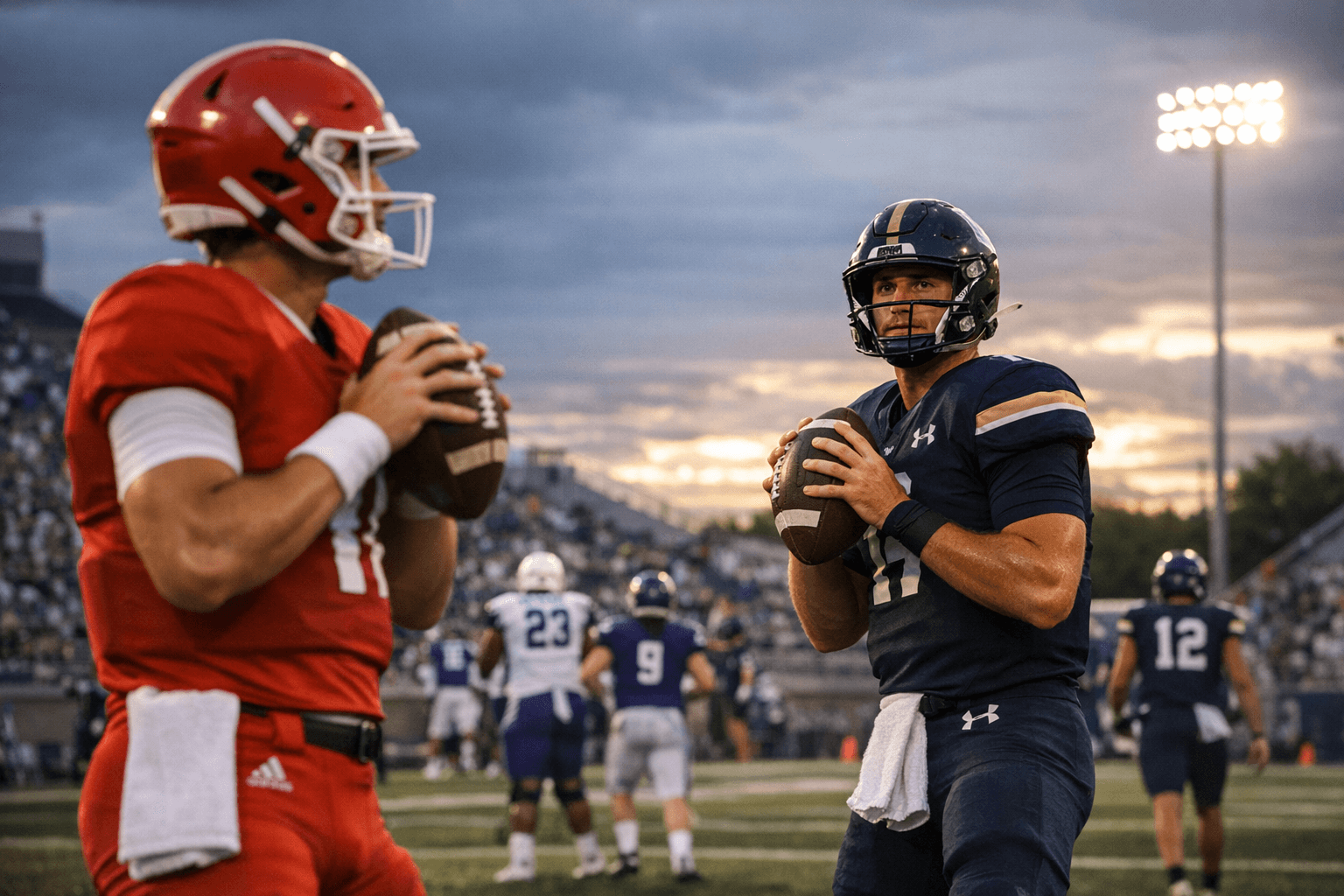
The business side is clear: broadcasters and NIL partners prefer marketable stars, and returning quarterbacks provide storylines and stability that attract investment. Culturally, the presence of veteran quarterbacks keeps alumni engaged and gives fanbases a narrative to follow through spring practices and fall kickoff. Socially, stable quarterback rooms tend to foster mentorship cultures that benefit underclassmen and reduce churn.
What comes next is a concentrated spring and summer of refinement. Expect offenses to be fine-tuned around Brungard, Ah Yat, Lamson and Parson, with pollsters watching how supporting casts hold up in light of the transfer-window reforms. For fans, returning elite quarterbacks mean clearer title windows and a season where QB matchups will often decide playoff trajectories.
This article was produced by Prism’s automated news system from verified source data, official records, and press releases, then run through automated quality and moderation checks before publishing. The system is built and supervised by the people who set the standards it runs under. Read our full AI policy.
Did this article answer your question?