Sports Illustrated analysis: mainstream media coverage undercounts and overlooks HBCU draft prospects
A 57-article coverage audit found HBCU prospects got almost no mainstream pre-draft media attention, with just six draftees across 2022-2025 combined, roughly 0.58% of all picks.
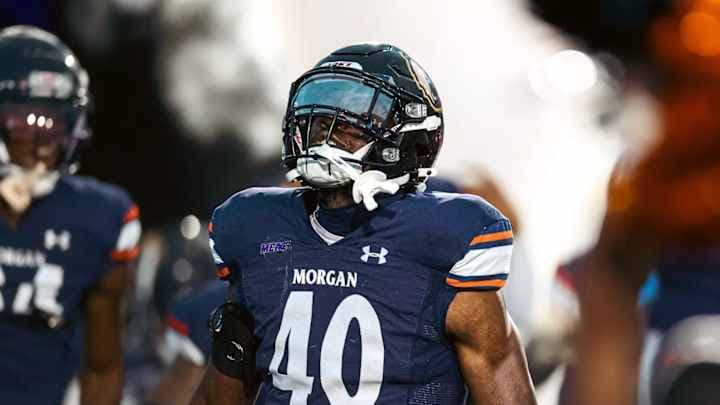
Quincy Ivory ran the 40-yard dash at Jackson State's pro day on March 26, one of dozens of prospects who also earned an invitation to this year's NFL HBCU Showcase in Ashburn, Virginia, competing directly in front of league scouts at the Washington Commanders' practice facility. For most of those players, the three-day event was one of the only moments in the pre-draft calendar when a mainstream audience was actively watching. A new data audit of pre-draft coverage makes clear just how rare that attention actually is.
The analysis mapped coverage across 57 articles and 13 major outlets in the weeks before the NFL Draft and found that HBCU athletes received "almost no mainstream attention" during the critical pre-draft window. The numbers behind that conclusion are stark: across the 2022 through 2025 draft cycles, just six players from HBCU programs were selected, representing roughly 0.58 percent of all picks made during that four-year span.
The 2024 draft marked the low watermark. Zero HBCU players were chosen across 257 total picks, the first complete shutout since 2020. The 2025 class offered a partial correction when Alabama A&M offensive tackle Carson Vinson was selected in the fifth round by the Baltimore Ravens, becoming the highest-drafted HBCU player since Fayetteville State cornerback Joshua Williams and South Carolina State cornerback Cobie Durant each went in the fourth round in 2022.
The coverage gap carries a particular irony against the backdrop of the cycle's most discussed draft narratives. Travis Hunter and Shedeur Sanders both began their college careers at Jackson State, but analysts predominantly framed both players through their time at Colorado. The HBCU chapter of their development has been largely written out of mainstream draft discourse, even as it was foundational to what made them high-profile recruits in the first place.
The NFL responded to the structural visibility problem by reformatting its pre-draft evaluation structure. The league replaced its standalone HBCU Combine this year with the HBCU Showcase, held March 28 through 30 at the BigBear.ai Performance Center at Commanders Park in Ashburn. NFL clubs were on-site to scout. Daniel Van Norton, the NFL's Director of Football Development, described the event's purpose in direct terms: the showcases are designed to "create more value for these athletes."
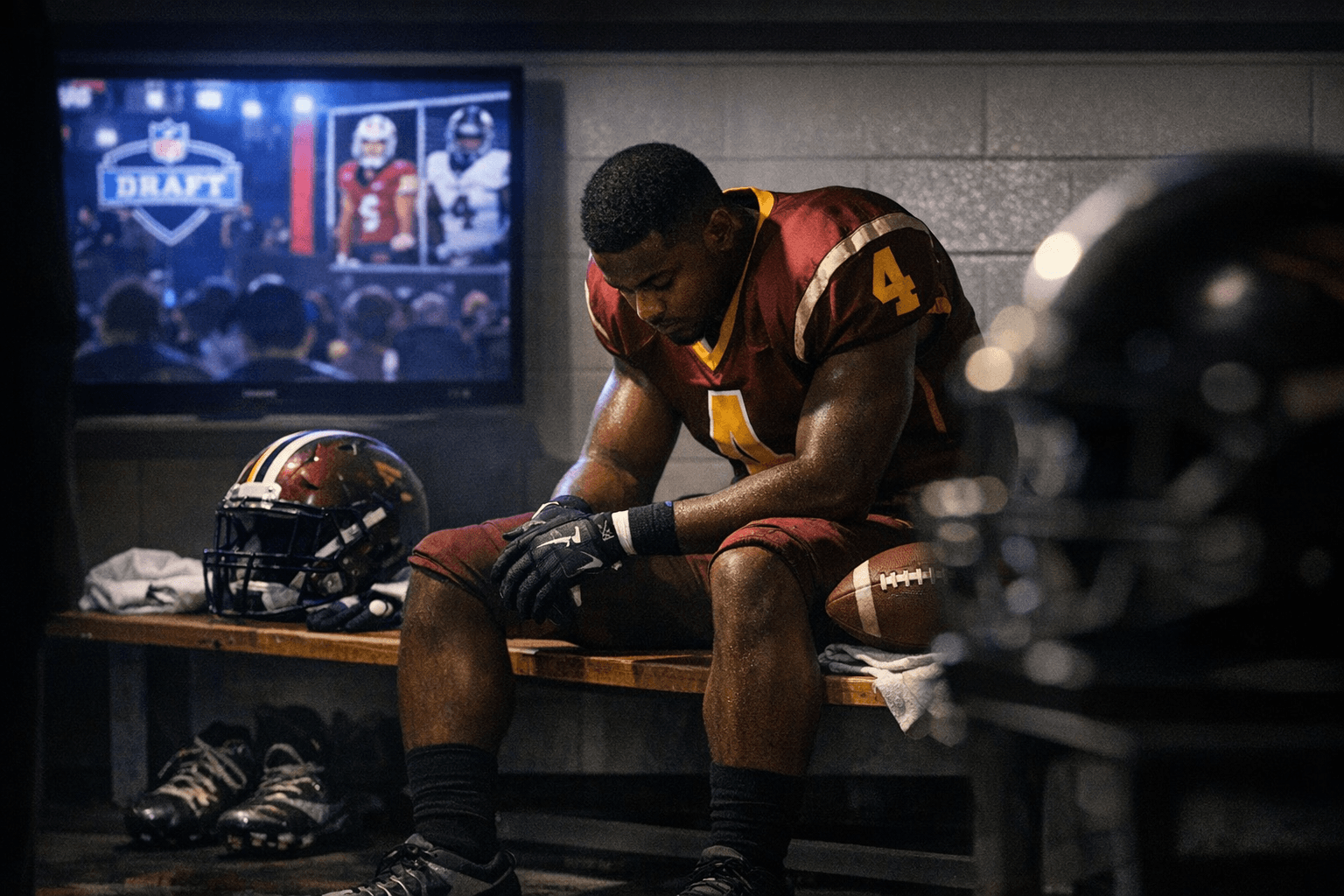
Among the 2026 Showcase participants were Ivory, Morgan State linebacker Erick Hunter, North Carolina Central quarterback Walker Harris, Howard defensive end Noah Miles, and North Carolina A&T defensive back Aaron Harris. These are precisely the kinds of prospects the coverage audit identified as receiving the least mainstream attention relative to comparable players at non-HBCU FCS programs.
The downstream consequences reach well beyond draft weekend itself. When pre-draft media oxygen is concentrated elsewhere, agents are slower to engage players without national name recognition, all-star game invitations favor prospects with existing media footprints, and undrafted free agent negotiations favor players already known to front offices. Regional outlets and HBCU-focused publications produced deeper individual coverage than national desks in every cycle the audit examined, but that depth rarely reached the decision-makers triaging late-round targets.
For programs in the SWAC and MEAC, the validated scouting calendar now runs through a specific set of events: the HBCU Showcase in Ashburn, the HBCU Legacy Bowl, and individual pro days like Ivory's March 26 workout in Jackson, Mississippi. Conference-level marketing and coordinated pro-day scheduling, the analysis found, can carry as much weight as statistical output when national writers are triaging which names to follow in the final pre-draft weeks.
Six draftees across four cycles is not a talent problem. The data says it is a visibility problem.
This article was produced by Prism’s automated news system from verified source data, official records, and press releases, then run through automated quality and moderation checks before publishing. The system is built and supervised by the people who set the standards it runs under. Read our full AI policy.
Did this article answer your question?