Spread-RPO FCS Quarterbacks Show NFL-Ready Processing, Timing and Mobility
FCS spread and RPO quarterbacks have developed NFL-ready processing, timing and mobility, giving pro scouts concrete tape and pro-day opportunities to evaluate transferable skills.
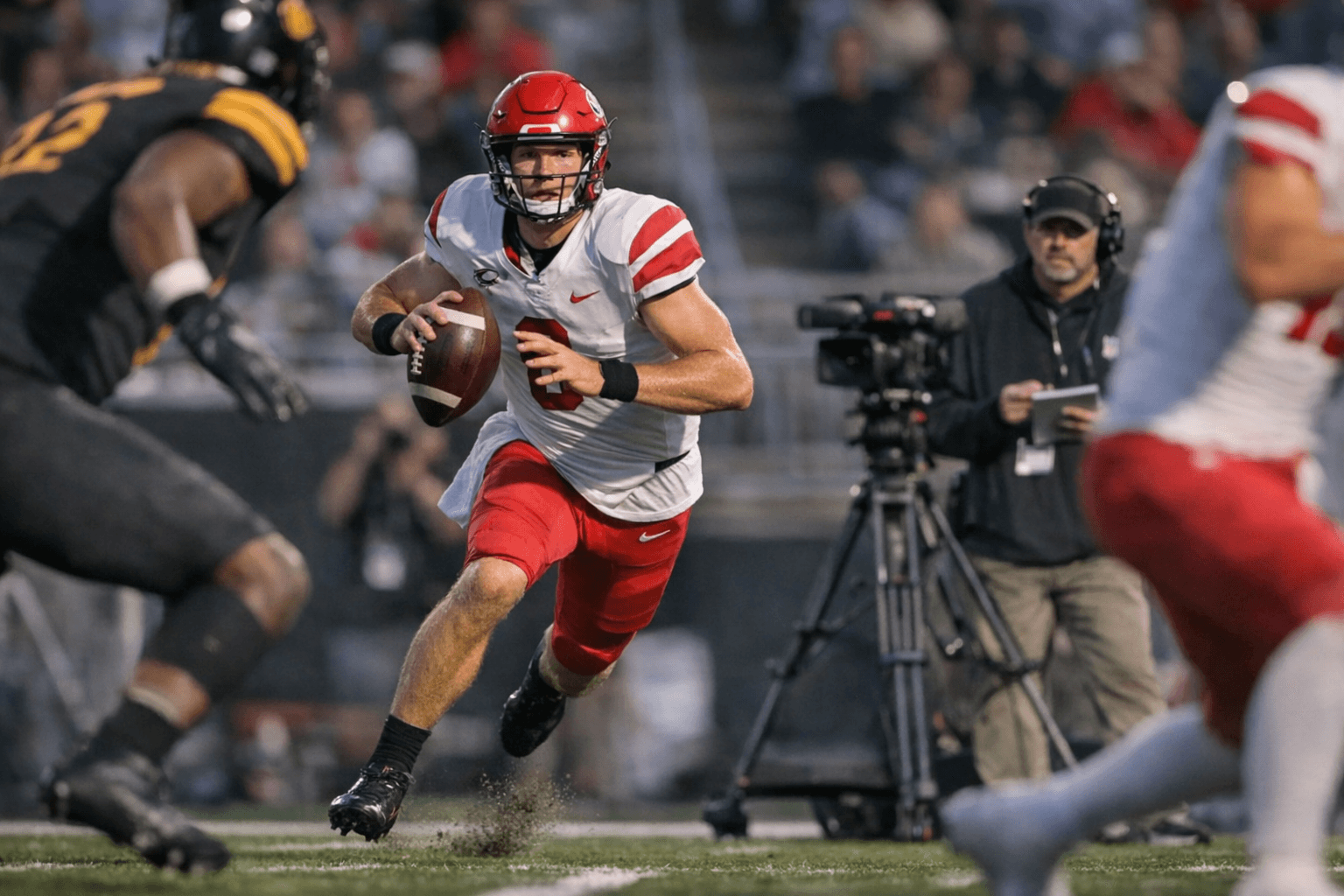
Over the last decade the spread and RPO revolution at the FCS level has produced a steady pipeline of quarterbacks whose on-field processing and rhythm passing read like pro prospects. This is not one game or one stat line but a systematic trend: repeated read-and-react reps, timing routes to wide splits, and pre-snap recognition drills have created quarterbacks who think and move in ways NFL coaches value.
The schematic advantages are clear. Read-and-react volume forces quarterbacks to make rapid half-field reads and inside-outside zone decisions on every play, accelerating decision-making. Timing and rhythm passing in spread sets hones anticipatory throws on intermediate and deep routes; that craft is a reason scouts favor players who can deliver tight ball placement on timing routes. Pre-snap identification and protection calls give scouts evidence of pro-level processing. Mobility in many FCS quarterbacks is purposeful rather than purely athletic - quarterbacks extend plays, manipulate edges within designed zone-read and RPO frameworks, and translate that experience to play-action and rollout concepts at the next level.
Scouts temper scheme praise with contextual evaluation. Competition level remains a factor; evaluators parse tape to see how a quarterback handles pressure from complex blitzes, how quickly he scans through progressions, and how he fits throws into tight sideline windows. Ball placement, velocity and touch on intermediate throws are judged more heavily than yardage totals. Processing under pressure is a key differentiator: teams study footwork, trigger timing, carrying eyes downfield while navigating rush lanes, and the ability to make throws off-platform.
Historical examples demonstrate the pathway. Carson Wentz at North Dakota State showed pro timing and pocket manipulation; Jimmy Garoppolo at Eastern Illinois illustrated timing and anticipation on timing routes; Cooper Kupp at Eastern Washington, while a receiver, exemplified how spread-system timing and chemistry transfer to the NFL. These profiles reinforce that scheme and technique can overcome perceived competition gaps.
Pro days and All-Star showcases remain business-critical. Events such as the Shrine Bowl, East-West games and American Bowl-type showcases give scouts live reps; position-specific workouts focus on consistent release points, clean footwork and throwing under simulated pressure. Testing metrics like the 40-yard dash, shuttle and vertical matter, but footwork and trigger timing in on-field drills frequently carry more weight.
For FCS quarterbacks aiming for the next level, practical priorities are clear: populate tape with play-action footwork, intermediate accuracy, and progression reads; target marquee all-star events; maximize matchup film against FBS opponents; and prepare pro-day routines that highlight sideline accuracy and pressure reps.
The emergence of spread-RPO quarterbacks from FCS programs shifts scouting economics and talent pipelines. For fans and evaluators, that means more small-school prospects will get real looks, altering draft boards and rewarding technical polish, processing speed and situational mobility over raw statistics alone.
This article was produced by Prism’s automated news system from verified source data, official records, and press releases, then run through automated quality and moderation checks before publishing. The system is built and supervised by the people who set the standards it runs under. Read our full AI policy.
Did this article answer your question?