SWAC approves stricter football scheduling model, TV growth surges
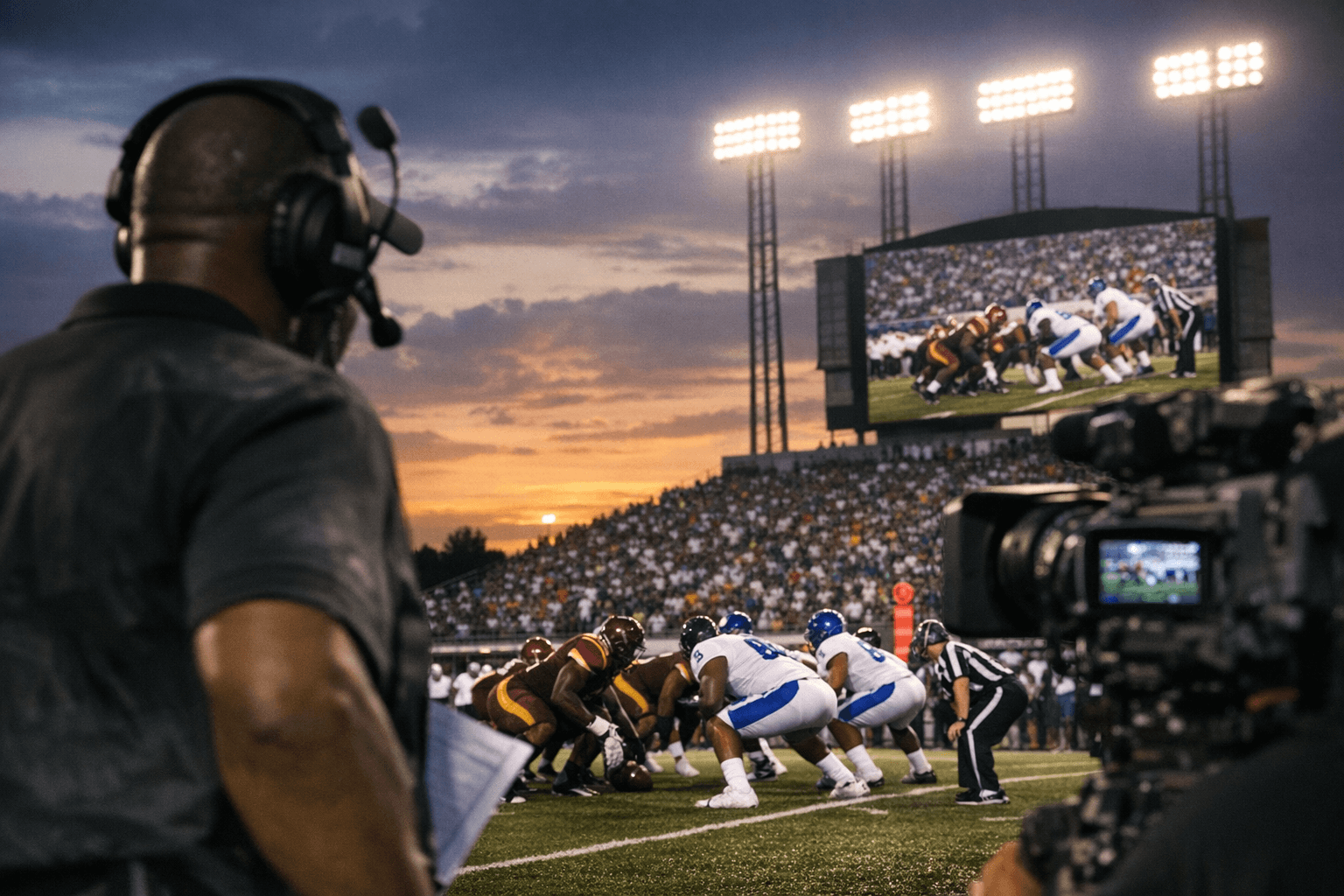
SWAC TV reached 55 million minutes watched as the league voted to ban future games against non-Division I or II opponents, tightening its football standard.

The SWAC is turning scheduling into strategy. Its membership voted to begin a new football model in the 2027 season that will eliminate nonconference games against opponents outside NCAA Division I and Division II, a move Commissioner Dr. Charles F. McClelland said is designed to sharpen competitiveness and improve the product on the field.
That is more than a cleanup of the calendar. For a 12-school FCS conference that already has expanded its footprint with Florida A&M University and Bethune-Cookman University, the change raises the competitive floor and signals that the league wants every Saturday to carry more weight. The old approach left room for softer inventory against lower-division or non-NCAA opponents. The new one forces a harder slate, which can make teams tougher by November but also leaves less margin for error for coaches trying to stack wins.
The timing matters because the SWAC is building a stronger media platform at the same time. SWAC TV, announced on July 16, 2025 at SWAC Football Media Day, was launched as an exclusive streaming home for all 18 conference sports and was initially available on Roku, Amazon Fire, Apple TV, Google Play and Android TV. Early returns were strong, with nearly 27 million minutes watched and almost 900,000 unique viewers in the first two and a half months. A later SWAC report put the platform at 55 million minutes watched and 2.5 million unique viewers, a jump that suggests the audience is not just curious, it is sticking around.
That TV growth is the other half of the power play. McClelland has made the case that visibility and control matter, and the numbers back it up. In the same stretch, the conference pulled in $10.8 million in First Four earnings, a reminder that media presence, postseason value and football scheduling are all connected. When McClelland said, “The future is already here, and it’s called SWAC TV,” he was not just selling a platform. He was laying out a business model.
The league’s influence is also widening inside the NCAA. McClelland was selected in October 2025 to serve on the NCAA Board of Governors Finance and Audit Committee, and SWAC materials have pointed to a broader committee footprint, including Prairie View A&M University’s Bryan Goff on the FCS Oversight Committee and Jackson State University’s Ashley Robinson among those involved in football governance. The Mississippi Legislature formally recognized McClelland’s NCAA appointment in 2026, underscoring how far the conference’s reach now extends.
For SWAC programs, the stakes are simple. A tougher schedule can improve credibility, postseason perception and recruiting appeal, but it also demands cleaner execution and sharper logistics. For the league, the message is even clearer: the SWAC wants more control over its brand, more leverage in the FCS landscape and a football product that looks stronger both on the field and on the screen.
This article was produced by Prism’s automated news system from verified source data, official records, and press releases, then run through automated quality and moderation checks before publishing. The system is built and supervised by the people who set the standards it runs under. Read our full AI policy.
Did this article answer your question?