UNC Transfer Class Adds Multiple FCS Standouts: Threatt, Seelmann, Humphrey
North Carolina added multiple transfers from the FCS, headlined by offensive lineman Andrew Threatt, bringing proven FCS experience to bolster depth and competition across the roster.
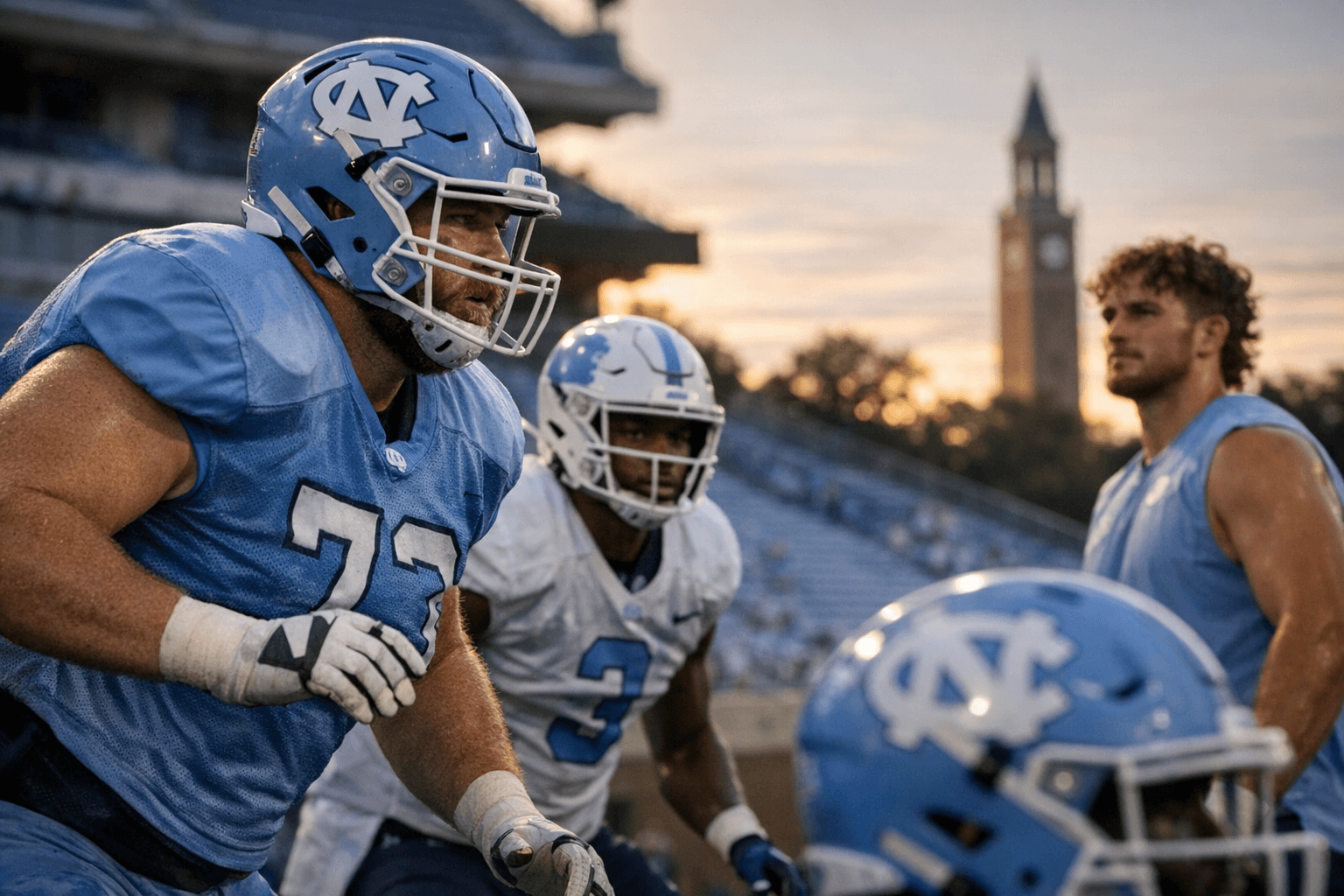
North Carolina's transfer intake included several players with recent FCS pedigrees, a move that both fills immediate roster needs and underscores the continuing pipeline from FCS programs into FBS rosters. Offensive lineman Andrew Threatt from Charleston Southern was the most notable name, listed as a senior and a first-team all-conference pick at his FCS program. Richmond transfer Peyton Seelmann and Lehigh's Mason Humphrey were also included among the commitments.
The roster-by-roster accounting of UNC's portal business provided short notes on each commit, giving prior-school context and honors where available. Andrew Threatt arrives with conference-level recognition, which projects as a plug-and-play prospect for offensive line depth. Threatt's status as a senior and as a first-team all-conference selection signals experience against FCS competition and a resume that should position him to compete for immediate snaps in run and pass situations.
Peyton Seelmann and Mason Humphrey add further FCS experience to the class. While the transfer list supplied limited statistical detail for Seelmann and Humphrey, their inclusion follows a growing pattern of FBS programs targeting productive FCS starters to accelerate depth building without waiting on underclassmen development. UNC's approach on this cycle emphasizes roster reinforcement through players who have accumulated game reps and conference recognition at the lower division.
From a performance standpoint, the acquisitions are a practical response to positional attrition and the rapid churn of modern rosters. Bringing in a first-team all-conference lineman like Threatt addresses the trenches, where experience often determines midseason outcomes. Seelmann and Humphrey offer similar short-term upside at their respective positions, likely creating competitive position battles in spring practice and giving coaches options for rotational packages and injury insurance.
Industry trends are evident in this class. The portal-driven market continues to blur the FBS-FCS divide, making FCS programs vital scouting grounds. This business model benefits FBS rosters seeking ready-made contributors and gives FCS players clearer pathways to higher-profile platforms. Culturally, these moves highlight how talent mobility is reshaping roster construction and giving smaller-school standouts new visibility on bigger stages.
For Tar Heel supporters, the immediate takeaway is increased competition and depth heading into spring drills. For FCS observers, Andrew Threatt, Peyton Seelmann, and Mason Humphrey serve as exemplars of the opportunities the portal can create. The next steps will be to watch how these transfers perform in positional workouts and early spring reps, and whether any of them parlay FCS success into roster roles that impact game-day lineups.
This article was produced by Prism’s automated news system from verified source data, official records, and press releases, then run through automated quality and moderation checks before publishing. The system is built and supervised by the people who set the standards it runs under. Read our full AI policy.
Did this article answer your question?