Why FCS' 63 Scholarship Equivalents Transform Roster Building and Offseason Coverage
FCS programs can split 63 scholarship equivalents among more players, forcing creative roster math that reshapes recruiting, the transfer market, and offseason reporting.
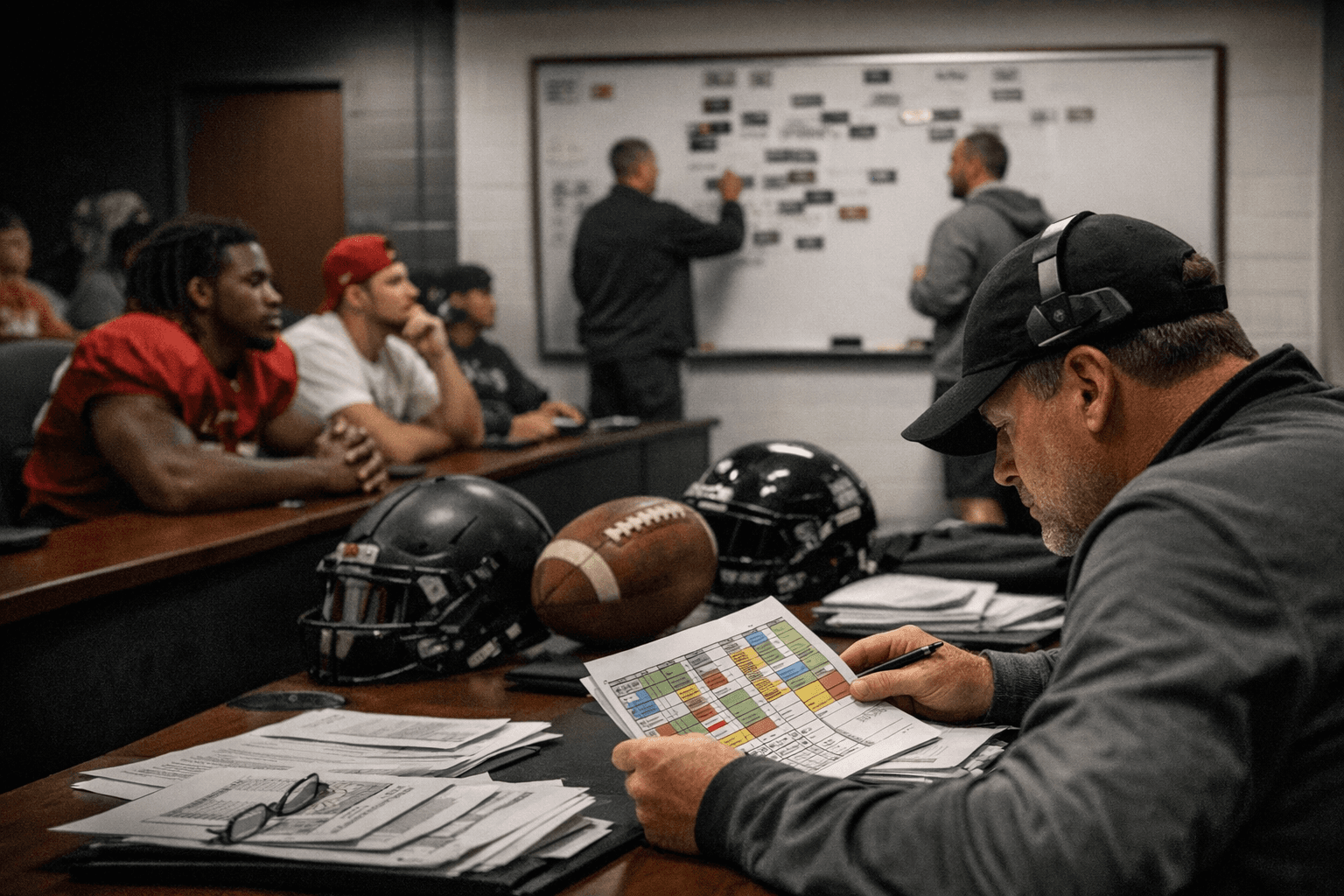
FCS programs operate with 63 scholarship equivalents that can be divided among more than 63 players, and that single rule is driving a fundamental shift in roster building and how beat writers cover the offseason. Unlike FBS schools that offer 85 full scholarships, FCS staffs must treat scholarship allocations as a currency to be spent strategically across position groups, recruiting classes, and the transfer portal.
Coaches are balancing immediate need and long-term depth by packaging partial scholarships to attract graduate transfers while preserving equivalents for high school signees. That means a program might assemble a quarterback room with one full ride, two three-quarter deals, and multiple preferred walk-ons, instead of a straightforward set of full scholarships. The equivalency model rewards roster architects who can do the scholarship math and project attrition rates from injuries, graduations, and the transfer portal.
The business implications are significant. Athletic departments use equivalencies to stretch limited scholarship budgets and manage tuition offsets. Smaller programs lean on partial scholarships plus targeted NIL stipends and housing benefits to remain competitive in recruiting battles. Donor-supported endowments and creative fundraising now factor into whether a coach can convert equivalencies into full rides when needed. The result is a market where scarcity of fully funded spots increases the value of every equivalency.
From a coverage standpoint, offseason reporting has to evolve. Tracking commits is no longer enough; reporters must monitor how many equivalencies a staff has allocated, which players are on full-ride equivalents versus partial deals, and how coaches plan to reconcile those numbers with roster limits. The transfer portal amplifies this need, because a handful of incoming transfers can consume a disproportionate share of a program’s remaining equivalencies and alter depth charts overnight. Fans and analysts should expect midwinter churn and more announcements about scholarship adjustments than in the era of full scholarships.
On-field consequences are concrete. Teams that allocate more equivalents to the offensive line and linebacker corps can withstand attrition during the playoff grind. Programs that preserve equivalencies for special teams and depth often survive injuries to starters without a catastrophic drop-off in performance. That roster flexibility feeds parity across the subdivision; well-managed FCS programs can compete consistently despite smaller budgets when coaching staffs maximize their equivalency allotment.
Culturally, the equivalency model emphasizes resourcefulness. Coaches are recruited not just for play-calling but for cap-table savvy and roster engineering. For followers of FCS football, offseason narratives will pivot toward scholarship accounting, transfer-market strategy, and which programs can convert partial deals into sustainable talent pipelines.
What comes next is an offseason where watchers should pay close attention to commitment reports, transfer announcements, and scholarship breakdowns. Those details will reveal which programs have the ammunition to make runs in the fall and which will need to rely on walk-ons and rapid development to survive the schedule.
This article was produced by Prism’s automated news system from verified source data, official records, and press releases, then run through automated quality and moderation checks before publishing. The system is built and supervised by the people who set the standards it runs under. Read our full AI policy.
Did this article answer your question?