Zero HBCU Players Invited to 2026 NFL Combine, Community Outraged
The NFL Scouting Combine invited 319 prospects, but none were from HBCUs, a gap that has sparked sharp criticism from agents and HBCU advocates.
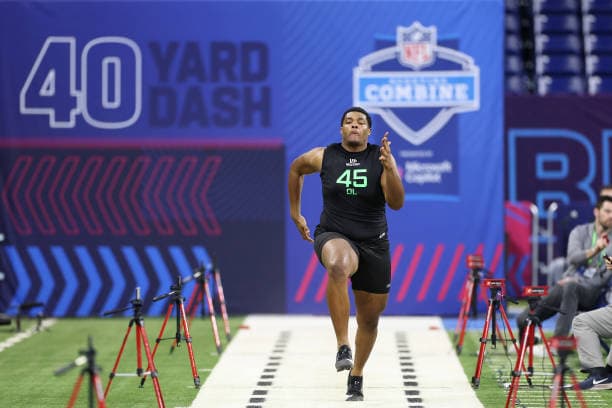
The 2026 NFL Scouting Combine invite list totaled 319 players and, by multiple accounts, included no athletes from Historically Black Colleges and Universities. The omission set off immediate backlash from HBCU advocates and agents who say the absence highlights a widening scouting blind spot at the upper levels of college football evaluation.
Rasheeda Liberty, lead agent at Lady Lib Sports, pushed back publicly, adding a list of names she said deserve consideration and tweeting, "Adding a few more from HBCU world given none were invited." Liberty named linebackers, defensive linemen and quarterbacks she believes merited attention, including Erick Hunter of Morgan State, JaCobian Morgan of Jackson State, Jarod Washington of South Carolina State, Chris Moseley of North Carolina Central, Jeremiah Williams of Jackson State, C'Kelby Givens - spelled variously in reports - of Southern, and Cam Ransom of Bethune-Cookman.
The omission does not exist in a vacuum. The first-ever Panini Senior Bowl Top 300 list reportedly included no HBCU players as well, and the Senior Bowl scouting department acknowledged that fact. That Top 300 also featured only five FCS players: wide receivers Bryce Lance and Jalen Walthall, quarterback Jaden Craig, wide receiver Max Tomczak and cornerback Charles Demmings. At the same time, high-major programs grabbed disproportionate representation - Alabama sent 12 former players to the Combine list, underlining the gulf between Power Five exposure and HBCU visibility.
There are real career stakes. In 2025, Alabama A&M offensive lineman Carson Vinson was the lone HBCU Combine attendee; he appeared on Senior Bowl practice rosters and was later selected in the 2025 NFL Draft at 141st overall, a fifth-round pick by the Baltimore Ravens. That example underscores how rare HBCU visibility has become: Essentiallysports notes HBCU representation at the Combine has declined over three decades, even though HBCUs were once a primary pipeline for Black pro talent, producing roughly 31 percent of pro draftees from 1960 to 1970 and spawning 35 Pro Football Hall of Famers.
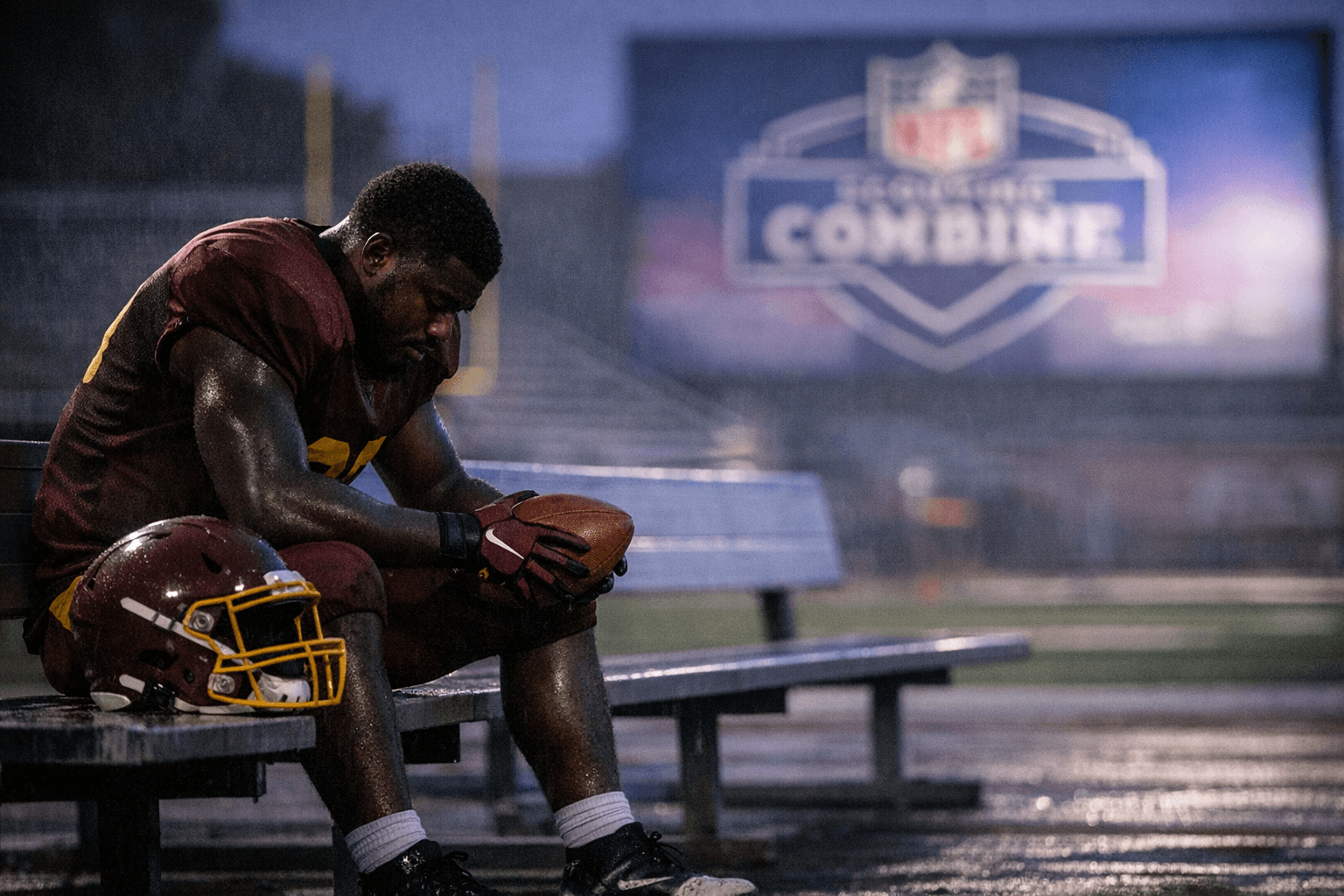
The implications are cultural and commercial as well as athletic. Reduced scouting attention limits HBCU players' access to pre-draft showcases, pro-day traffic, and the attendant NIL and recruiting momentum that come from NFL recognition. It also feeds a narrative of exclusion that HBCU administrators and alumni find deeply troubling at a time when college football is rethinking access and equity.
What comes next is pressure for answers and action. HBCU voices are calling on the NFL and college scouting bodies to explain evaluation criteria and to strengthen HBCU-centered scouting opportunities. With Senior Bowl and pro day season approaching, the near-term test will be whether scouts recalibrate and whether a new generation of HBCU prospects can force their way back into national conversations about draft opportunity.
This article was produced by Prism’s automated news system from verified source data, official records, and press releases, then run through automated quality and moderation checks before publishing. The system is built and supervised by the people who set the standards it runs under. Read our full AI policy.
Did this article answer your question?