AMPJet post-ride care tips help foil surfers protect batteries and connectors
The real post-session move is not packing up, it is protecting the AMPJet cartridge from salt, moisture, and corrosion before they turn into downtime.
The session is not over when you hit the beach
AMPJet may be built for serious water use, but the fastest way to shorten its life is to treat the ride itself as the whole story. MACkite Boardsports Center’s post-ride guide makes the point plainly: the cartridge, connectors, and battery compartment need attention as soon as the board comes off the water, because salt and trapped moisture can quietly erase the durability that makes the system attractive in the first place.
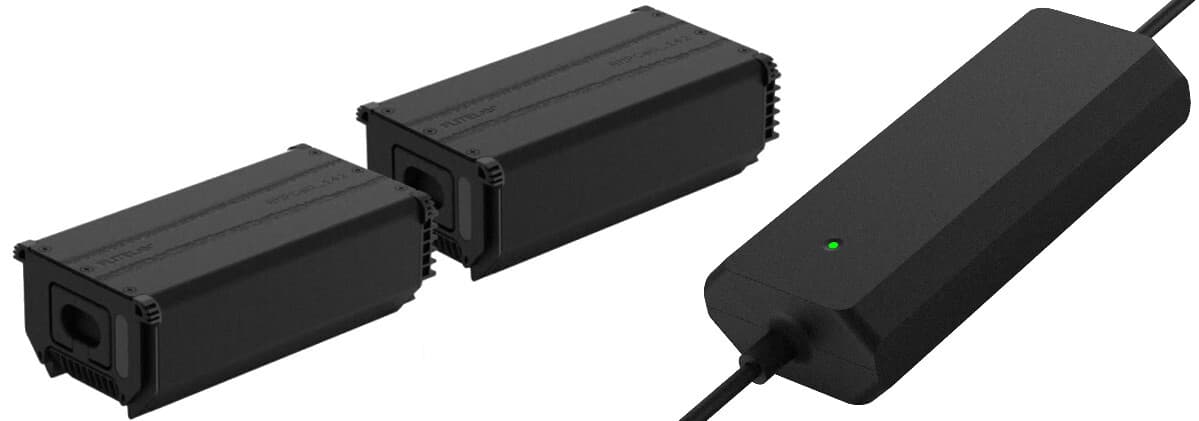
That matters because AMPJet sits in a premium corner of the foiling market. Fliteboard says the system is a self-contained, removable, low-maintenance cartridge concealed inside the board cavity, with up to 25kg of max thrust when using two AMPCells and hands-free LAUNCHPad control that can cut power once the rider is upright or if there is a fall. In other words, it is designed to perform like a serious piece of assist equipment, not a delicate novelty. The catch is that serious water hardware still needs serious aftercare.
Start by shutting the system down cleanly
The first step is simple, but it is the one that protects you from the most avoidable mistake: power down the LAUNCHPad and remove it from the board. That keeps the system from being accidentally activated while you are handling the cartridge or cleaning around the board cavity.
From there, remove the AMPJet cartridge with the long jacking bolt. FLITELab extended that bolt on purpose to reduce the chance of jams, and the guide stresses that the process is straightforward if you follow the sequence instead of forcing parts. Give the cartridge a moment to drain before you move to the next step. That brief pause is doing more than saving a few seconds; it helps prevent water from being pulled into places where it does not belong.
Drying is the difference between maintenance and corrosion
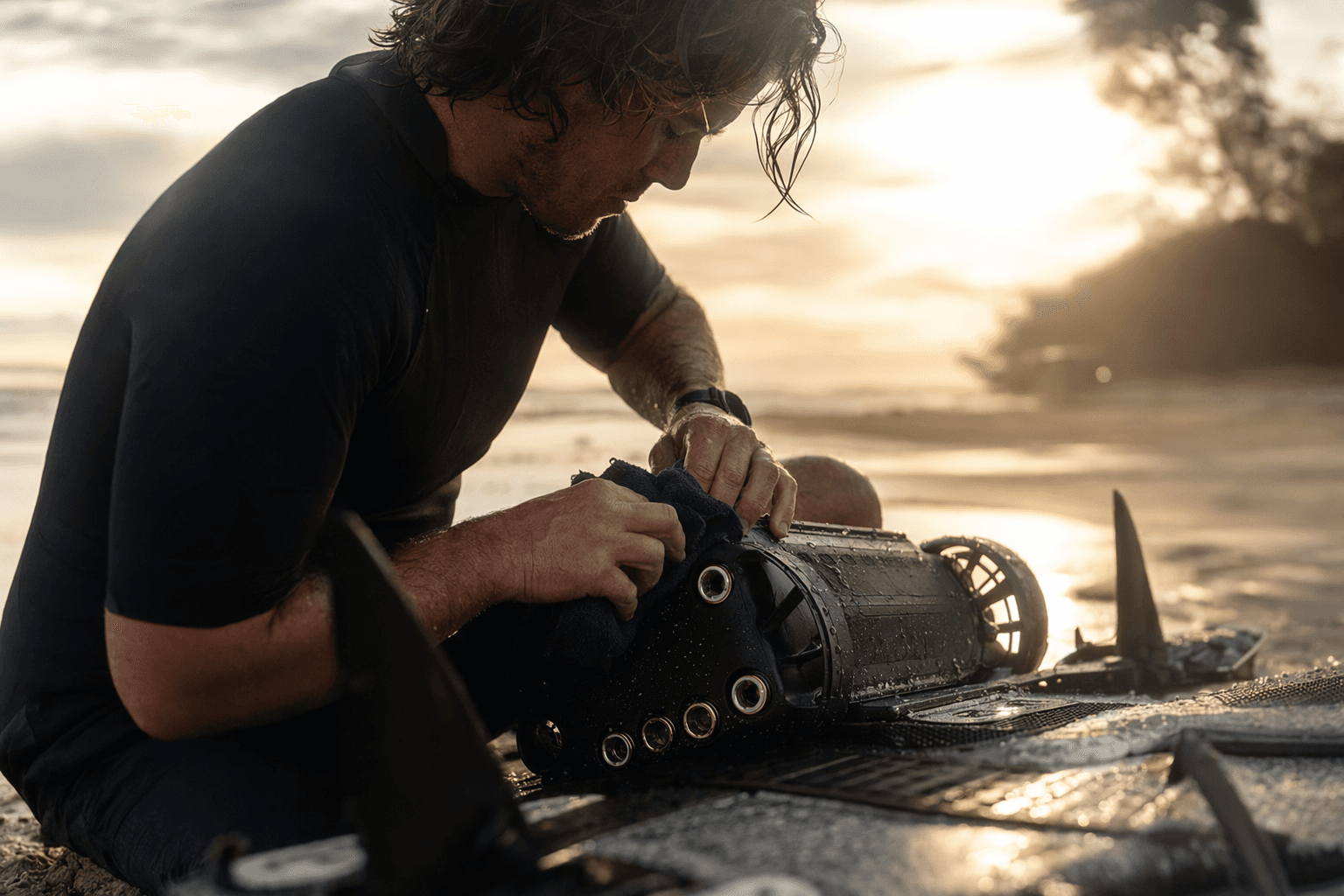
The most important habit in the guide is moisture control. Before removing the AMPCells, dry the cartridge completely, especially around the end cap. The batteries may be waterproof, but the connectors last longer when they are kept dry, and that distinction is what makes the routine worth repeating after every session.
The guide is careful about how the cap comes off too. Do not flip the cartridge upside down while removing the end cap, because water can drip back inside the unit. Once the cap is off, check the inside of the cartridge and the batteries to make sure everything is dry and clean. This is where a lot of riders lose money without realizing it: a few extra drops inside a contact point can become corrosion, and corrosion becomes unreliable power delivery.
Treat the connectors like the system’s weak point
The contact pins deserve their own inspection, because that is where performance and longevity are most likely to get compromised. The guide tells riders to look for moisture or corrosion on the battery connectors and gently wipe away any salt buildup before storage.
That advice sounds basic, but it is the kind of basic that keeps expensive gear dependable. Salt residue is not just cosmetic; it can interfere with contact quality, create resistance, and make the next ride feel less crisp than it should. On gear that is built around assist power, anything that threatens consistent connection threatens the whole experience.
If saltwater got in, rinse it before it hardens into a problem
The most practical section of the guide comes at the end: inspect the cartridge cavity and rinse it if saltwater is present. The fix is straightforward. Pour in fresh water, swish it with a soft cloth or rag, and let the unit dry completely before the next ride.
That final dry-out is where the habit becomes a cost saver. A salt-heavy cavity that is left alone can turn into a long-term maintenance issue, while a simple rinse can preserve performance and keep the system from aging prematurely. For riders who spend serious money on electric-assist foiling, this is the difference between treating the board like seasonal gear and treating it like a machine that should still feel sharp on day 100.
Why this matters to the foiling market right now
AMPJet sits inside a broader push to make foiling more accessible without sacrificing the clean feel that riders want on the water. FLITELab’s range is intended for prone foiling, winging, and downwinding, and the launch helps show where the category is heading: more modular, more removable, and more purpose-built for riders who want assist power without permanent drag during the session.
The business story matters too. Flite and Brunswick announced the first FLITELab product ranges on July 30, 2025, building on a brand effort that had been developing for years. Independent coverage in January 2024 said the inaugural AMP release had been more than three years in the making, which helps explain why the product is being framed not as a quick add-on, but as a serious step in the evolution of powered foiling.
That evolution comes with a maintenance culture that looks increasingly familiar across premium water gear. Fliteboard’s Flitecell care guidance tells riders to wipe batteries with fresh soapy water, avoid spraying directly, never submerge them, keep them out of sand, and wait 30 minutes before charging so the battery can cool. The message is the same across the product line: performance depends on what happens after the ride, not just during it.
The larger lesson is about protecting expensive speed
Fliteboard’s servicing rules reinforce that point even more clearly. Its support guidance says servicing is essential for optimal condition and lifespan, with intervals listed at 2 years or 200 hours for Jet C and Flitescooter C, and 1 year or 100 hours for several other eFoil categories. That is a reminder that premium electric-water equipment is not built to be ignored once it is back on land.
AMPJet’s post-ride routine is not busywork. It is the maintenance layer that protects thrust, connectors, and cartridge integrity from the one thing the ocean always delivers in abundance: residue. Riders who dry, rinse, inspect, and store the system properly are not just following instructions. They are preserving the performance curve that makes the whole setup worth owning in the first place.
This article was produced by Prism’s automated news system from verified source data, official records, and press releases, then run through automated quality and moderation checks before publishing. The system is built and supervised by the people who set the standards it runs under. Read our full AI policy.
Did this article answer your question?