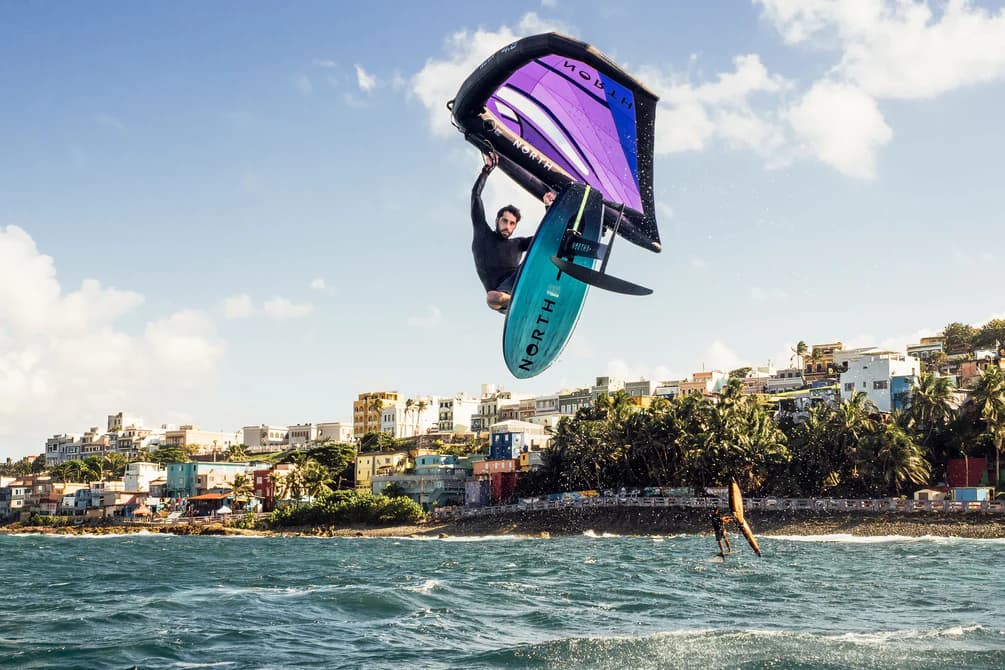
Maui’s Cash Berzolla turns heads with powerful wing foiling style
Berzolla’s edge is surf-first: a compact stance, quiet wing handling, and cleaner lines that make wing foiling look like surfing.

Cash Berzolla is the kind of wingfoiler who changes the frame of the sport just by dropping into a wave. On Maui, the 20-year-old rides with the compact power of a surfer, not the stretched-out posture of a cruiser, and that difference is already showing up in the results: a 2023 Dakhla event win, a first world title in Ibiraquera in 2024, and another Wave crown in Cape Verde in 2025.
What the compact stance really buys you
Berzolla’s GWA profile lists him as a 20-year-old athlete from the United States, sponsored by Armstrong Foils, with a GWA debut in New Zealand. The Inertia profile describes him as a compact, powerful surfer with excellent technique, and that is the detail everyday riders can borrow first: shorter, tighter body positions make the board and foil respond faster when the wave face shifts. Instead of standing tall and chasing the wing, he keeps the ride inside the wave, where small body movements matter more than big recoveries.
That matters because wing foiling still carries a reputation for straight-line travel and open-water cruising. Berzolla’s riding pushes the opposite idea. When the stance stays compact, transitions happen sooner, the rail-to-foil connection feels more like a surfboard, and the rider can commit to turns without needing extra space to reset. That is why his sessions on Maui read less like foil laps and more like proper wave surfing with assistance from the wing.
How he uses the wing without letting it run the ride
The best line in Berzolla’s profile is not about speed or airtime. It is about control. The Inertia piece says he has control of the wind, and that is the hidden skill that separates strong wave riders from everyone else. He surfs when the waves are clean and the wind is down, but when conditions turn to bumps and chop, the foil becomes a way to stay out longer and keep turning sessions into rideable water.
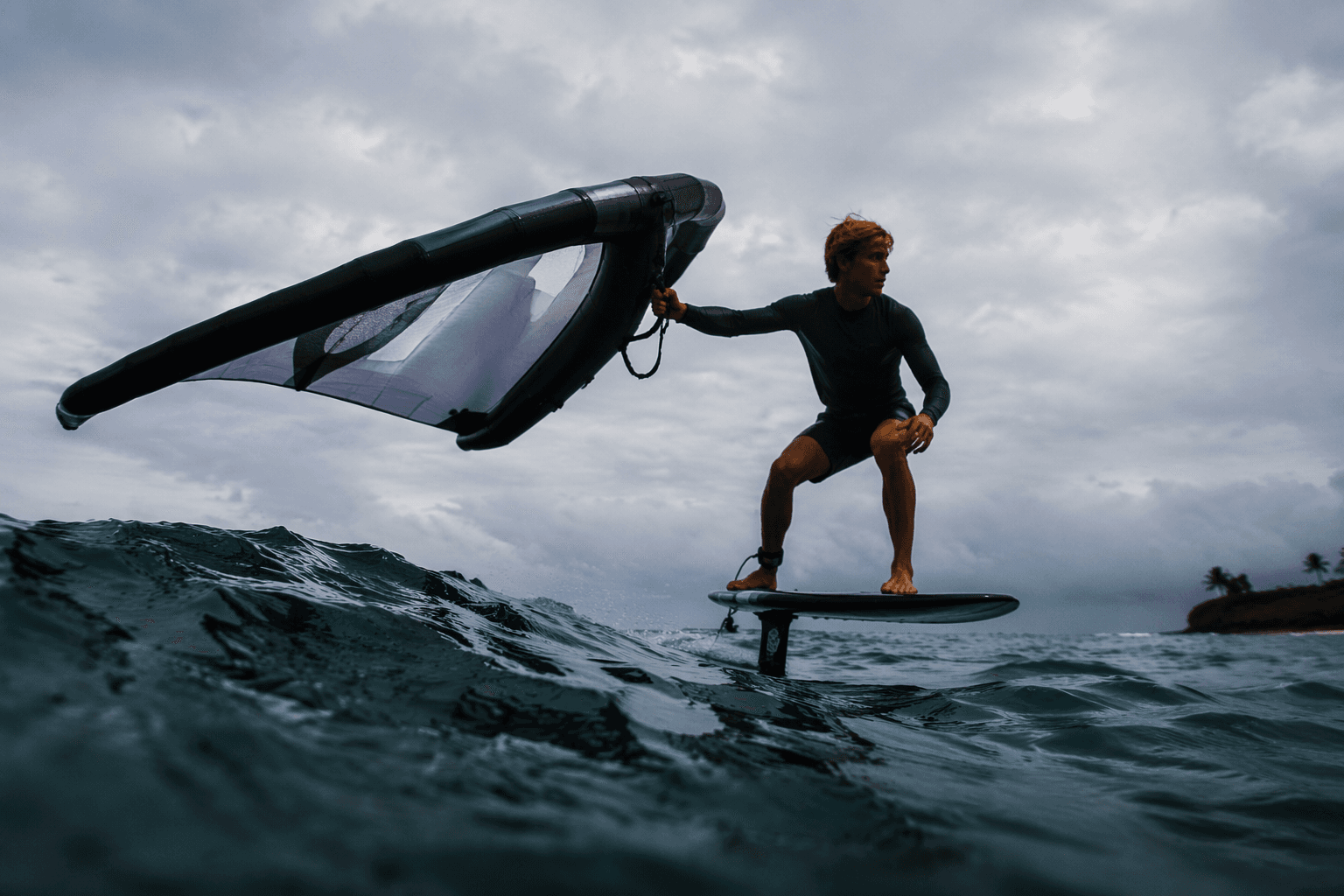
That is the real takeaway for an everyday rider: the wing should support the wave, not overpower it. Berzolla’s style shows how to keep the wing active enough to maintain drive, then quiet enough that the board can still project down the face. In practice, that means fewer awkward corrections, less fighting the sail, and more time spent linking the next turn. It is a style built for ocean rhythm, not just straight-line efficiency.
Wave line choice is where the style becomes useful
Berzolla’s most watched moments have come in pure surf settings, which is exactly why the GWA has leaned so hard into his wave-riding identity. At Dakhla in Morocco, the tour called his riding unmatched, and the 2023 event helped deliver the first wave world titles in the discipline. In Cape Verde, he closed out the 2025 title at Ponta Preta, a wave where the line you choose can matter as much as the maneuver itself.
There is also a named move in the mix, the Berzolla Bottom Turn, which gained attention in Fiji and tells you what his wave choice is built around: setting up early, drawing a strong bottom turn, and committing to the open face instead of dead-straight trimming. That is useful for everyday riders because it shifts the goal from just staying upright to reading where the wave will give you the next pocket, the next wall, and the next opportunity to keep speed through the turn.
Why Maui keeps producing riders like this
Berzolla is not an isolated talent. The GWA interview on his rise says Maui has become a mecca for watersports and that he and other local teenagers began wingfoiling around 2020. That lineage matters because the island has already produced riders who made foiling feel possible at the highest level. Red Bull describes Kai Lenny as a kiteboarder, windsurfer, wing foiler, and one of the greatest watermen ever, which is the kind of precedent that helps normalize the idea that Maui can shape the future of the sport.
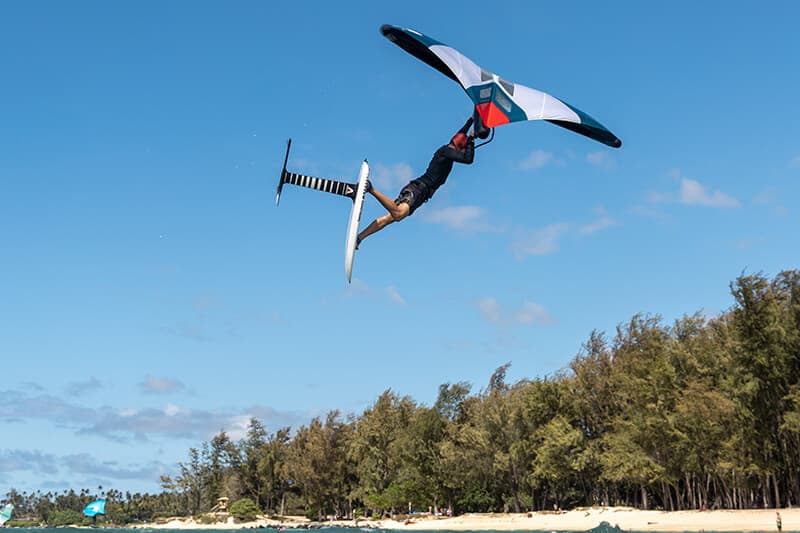
Berzolla’s own media footprint reinforces that evolution. His YouTube channel describes him as a 2x WingFoil Wave World Champion and centers wave sessions, Maui training, and downwind or wind-driven foiling. That matters because it shows the style is not just a contest trick. It is the way he practices, publishes, and packages the sport to the audience that follows him.
What the results tell you about where the sport is headed
The title sequence is the clearest proof that Berzolla’s approach travels. In 2023 he won at Dakhla and finished third overall in the Wave discipline during the first-ever wave world-title season. In 2024 he won his first world title in Ibiraquera, Brazil, and the GWA said his exuberant style and risk-taking made him one of the most viewed wingfoil athletes on social media. In 2025 he claimed the Wave World Title again in Cape Verde.
That arc lands at the exact moment the GWA says wingfoiling is a fast-growing watersport, with a 2026 calendar that includes 10 events on four continents. For riders, that means the sport is still open enough for a surf-first approach to matter, and Berzolla’s version of wing foiling looks less like a side branch of sailing and more like a new language for real waves.
A Berzolla-style checklist for real surf sessions
- Stay compact over the foil so your feet, hips, and shoulders turn together instead of chasing each other. That matches the powerful, surf-like posture the profiles point to.
- Use the wing to keep speed alive, not to dominate the ride. Berzolla’s control of the wind is what lets the wave remain the main event.
- Pick lines with room to draw a real bottom turn. The Berzolla Bottom Turn is a reminder that the setup matters as much as the finish.
- Seek waves that reward commitment, like the right-hand breaks and point waves that have defined his GWA wins in Dakhla, Ibiraquera, and Cape Verde.
Berzolla turns heads because he makes wing foiling look less like a compromise and more like surfing with a toolset that expands the line, the timing, and the terrain. That is why his style travels: it gives everyday riders a practical way to approach real surf, one compact turn at a time.
This article was produced by Prism’s automated news system from verified source data, official records, and press releases, then run through automated quality and moderation checks before publishing. The system is built and supervised by the people who set the standards it runs under. Read our full AI policy.
Did this article answer your question?