Wingfoiler rescued off Seaford after wing failure drifts him out to sea
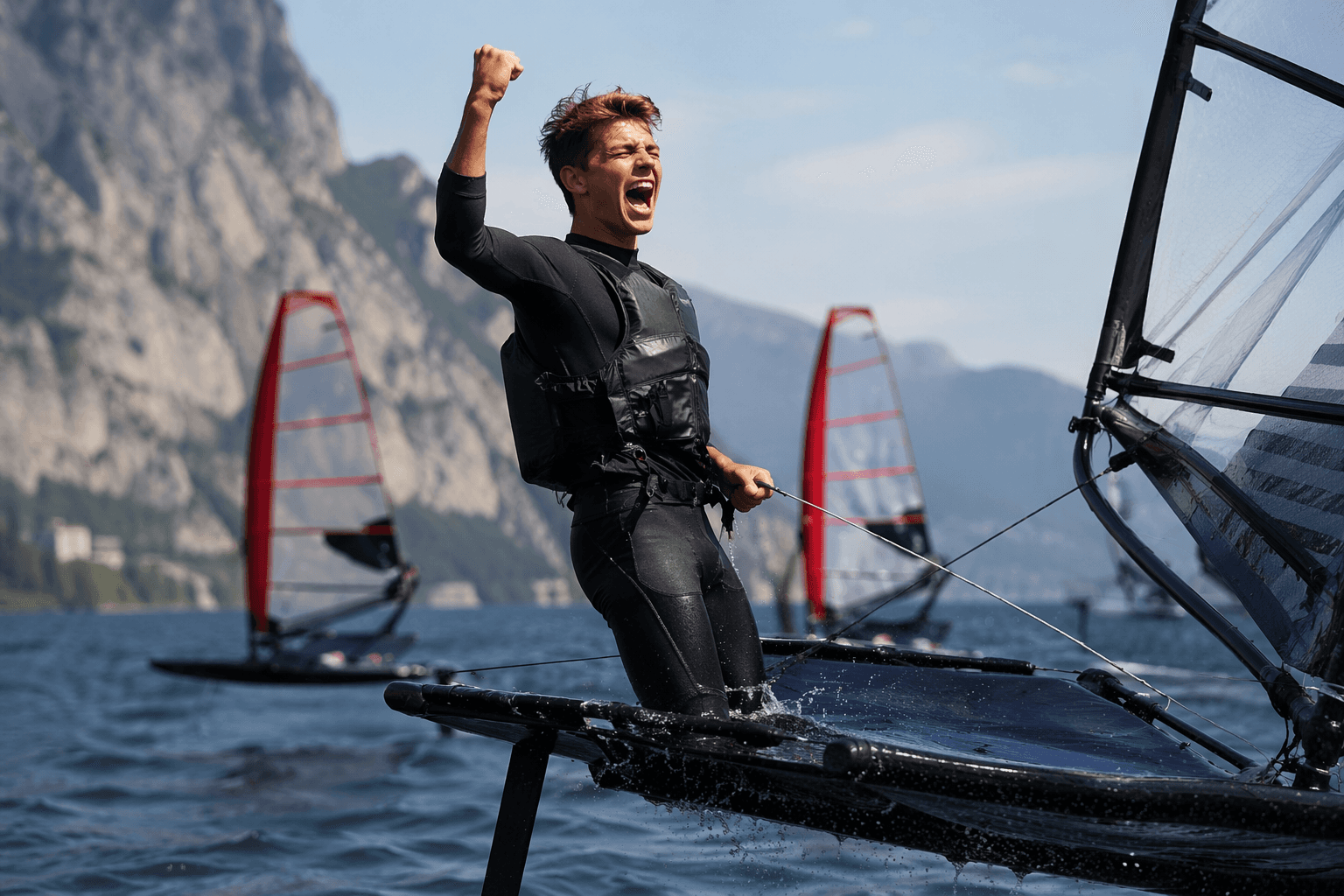
A wingfoiler more than a mile offshore was hauled in by Newhaven RNLI after a wing strut failed and strong offshore winds pushed him away from Seaford.

A wingfoiler more than a mile off Seaford found himself drifting farther out to sea when the middle strut of his wing failed, forcing Newhaven RNLI to launch a D Class inshore lifeboat and bring him back to safety in a rescue that underlined how quickly foiling can turn on offshore wind.
The incident unfolded at 5:26pm on Tuesday 28 April 2026 after a 999 call from a member of the public who saw the rider waving for help off the Salts Recreation Ground. Newhaven RNLI sent D-890 Bill Hall and reached the casualty within 10 minutes of launching. The crew of four recovered the wingfoiler, who was wearing a wetsuit and buoyancy aid, and confirmed he was well before landing him at Seaford Beach, where he swam ashore and met the Newhaven Coastguard Team.
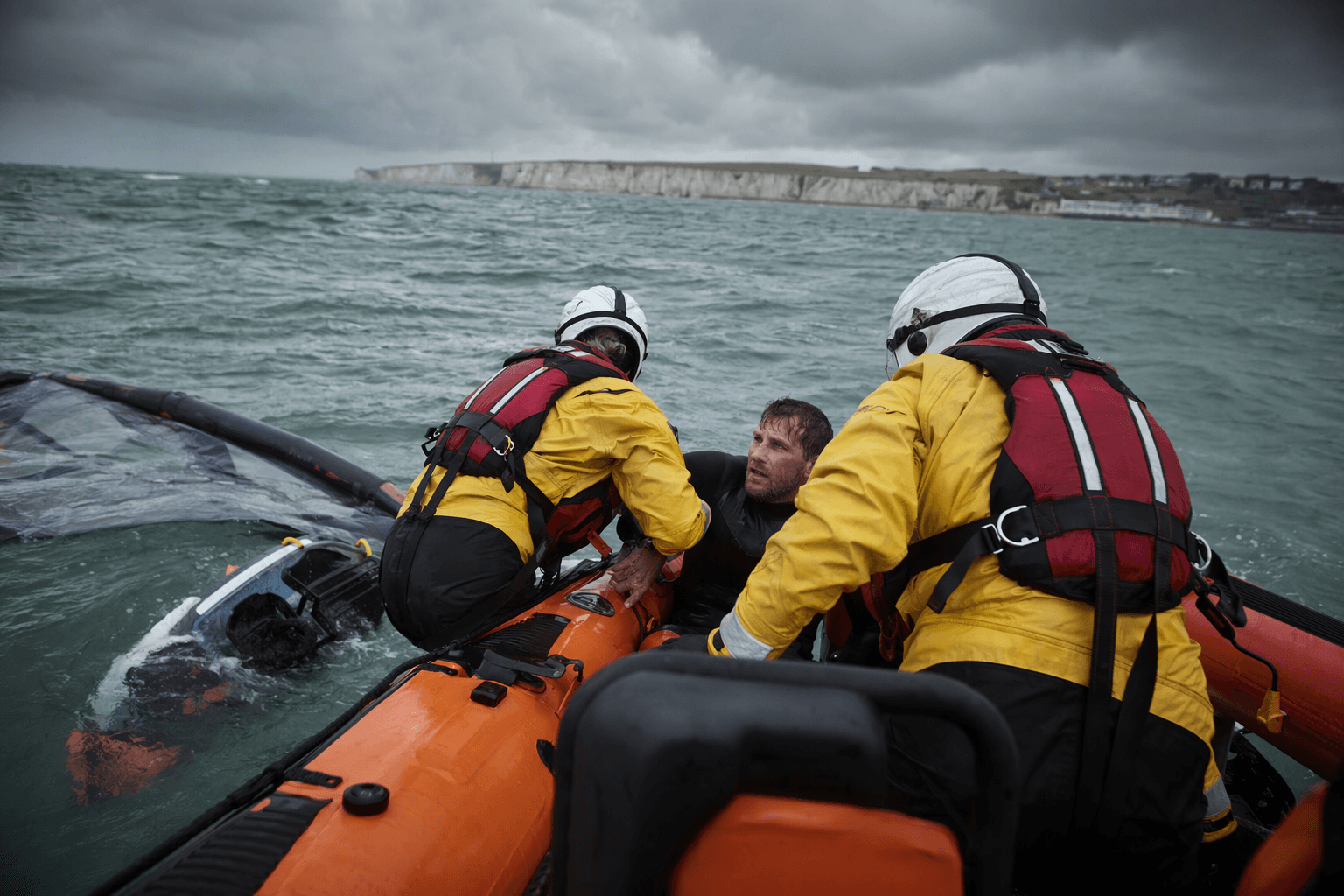
The rescued man was identified as Tobias Morrish, 33, a lifelong water sports enthusiast and part owner of Skipper Water Sports on Seaford Beach. Morrish said he had been wingfoiling for about a year after years as an experienced kitesurfer. “I’m an experienced kitesurfer, but I’ve only been wingfoiling for a year or so. I went too far out and then the middle strut of my wing failed,” he said. Once the wing failed, he tried to swim back, but the offshore wind was stronger than his progress and kept carrying him away from land.
Katherine Nash, a volunteer crew member and trainee D Class helm, took charge under the supervision of Andy Bull. She said the sea conditions did not look dramatic, but the wind was the real problem. “The sea was slight, but the offshore winds were strong and pulling Tobias further away from the shore,” she said. That combination, calm water and hard offshore wind, is exactly the kind of setup that can trap foilers and wingfoilers who venture too far before a gear failure.
Guy Addington, RNLI Regional Water Safety Lead, said the case showed how even highly experienced and well-prepared water users can run into trouble when conditions change unexpectedly. The safety lesson was plain: wear an appropriate buoyancy aid, carry a reliable means of calling for help, tell someone ashore your plans, and consider bright, high-visibility clothing or equipment. Morrish said he planned to hold a fundraising day for Newhaven RNLI in the summer, a thank-you from a rider who learned that on the water, skill still has limits when the wind turns against you.
This article was produced by Prism’s automated news system from verified source data, official records, and press releases, then run through automated quality and moderation checks before publishing. The system is built and supervised by the people who set the standards it runs under. Read our full AI policy.
Did this article answer your question?