Forge Pioneer HEMA team’s rookies impress, Tajonera earns rapier technique award
Forge Pioneer’s rookies were not just surviving pools. Badger Tajonera, 17, won rapier technique honors after finishing first in round one.
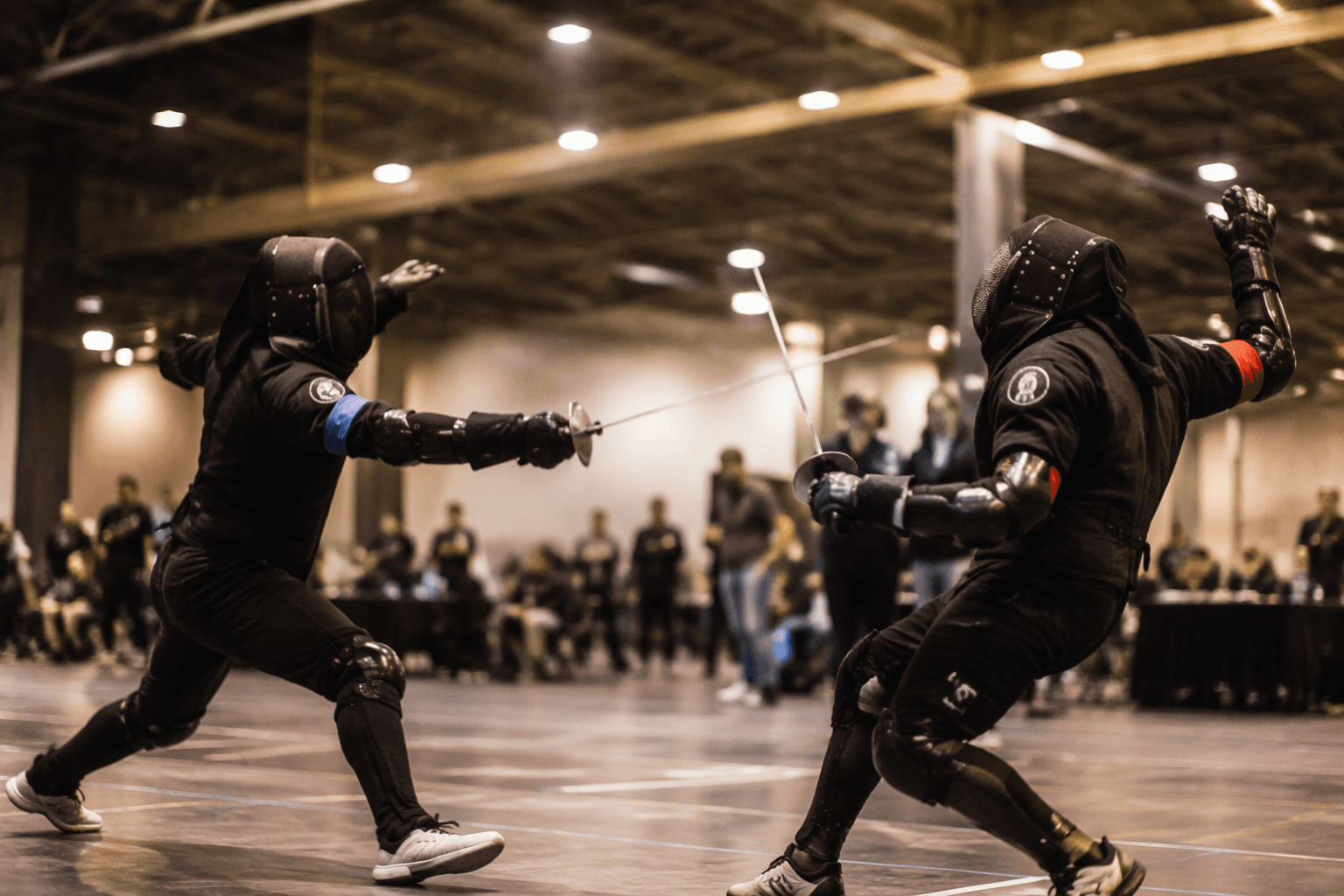
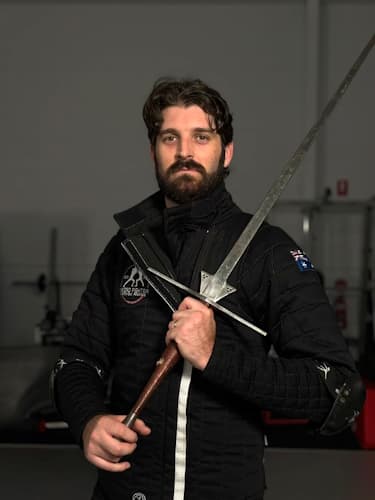
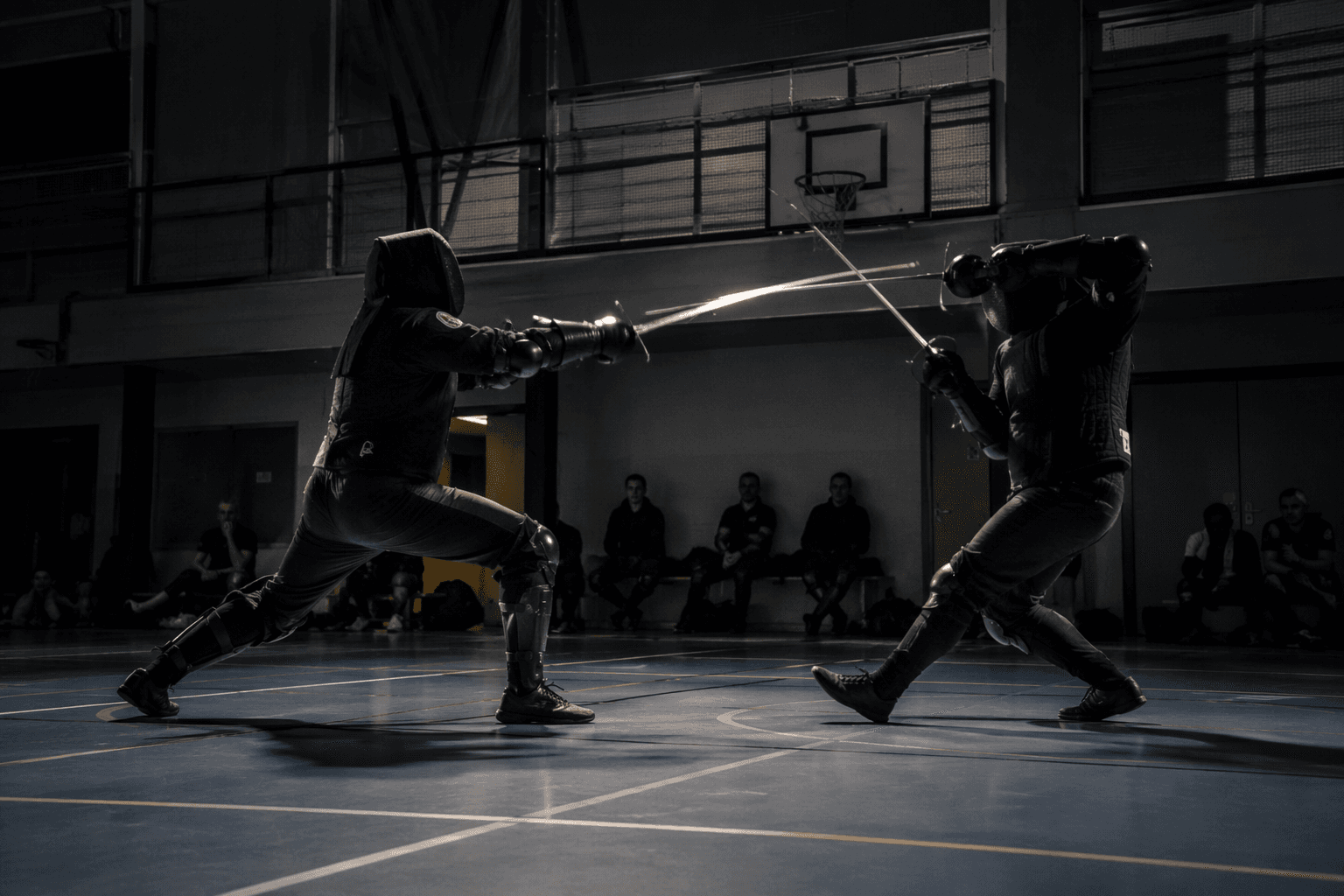
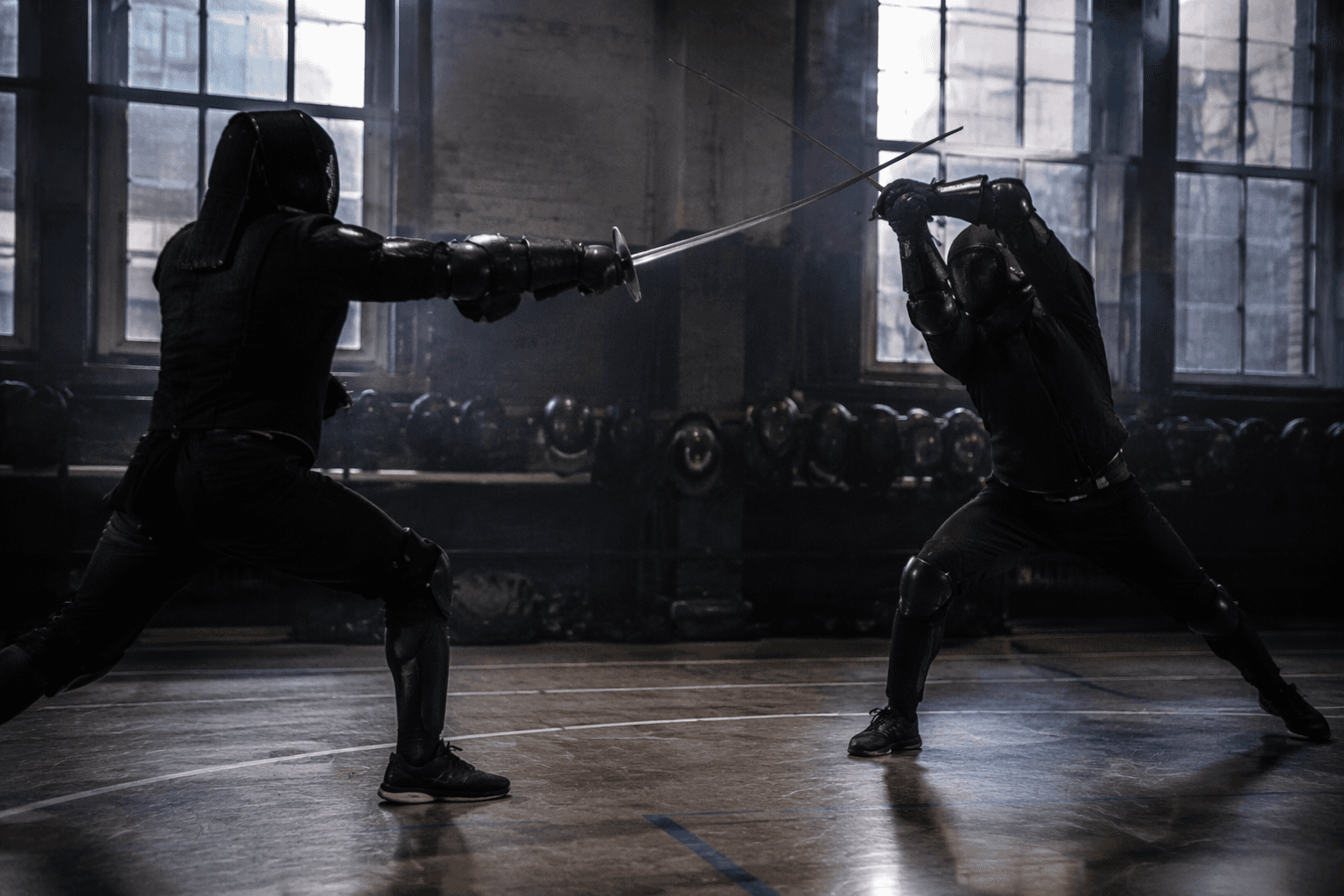
Forge Pioneer’s latest awards post showed a rookie-heavy HEMA squad that arrived in Taipei and immediately fought like it belonged there. Badger Tajonera, 17, finished number one at the end of the first rapier round and took the Best Technique Award for Rapier, while Rafael Ortiz added a bronze medal and the club claimed the Best Rapier Team Award at the 2024 Clash of Steel.
That combination matters because it points to more than a single standout. Tajonera’s first-round finish showed he could handle early tournament pressure, and the technique award suggested the judges saw control and precision, not just results. For a club built around first-time competitors, that is the clearest sign of readiness: clean fencing that holds up before elimination rounds begin.
Forge Pioneer said first-time fighters Matthew Franco, Johann Santiago, and John Frederick Fajardo Cruz were competitive and “weren’t pushovers.” That line captures the shape of the team’s debut more accurately than a medal count alone. Rookie entries often spend their first major event trying to avoid collapse in the pools; Forge Pioneer instead presented newcomers who stayed in the fight and forced their opponents to work.
The club’s own post also said one fencer ranked highest in the first round of longsword not only among Forge Pioneer but among all Filipino delegates. Even without the final bracket listed, that result showed the team was not confined to one weapon. Rapier brought the trophies, but longsword added another sign that the club’s first-round structure carried across disciplines.
The public-facing footprint behind those results fits the performance. Forge Pioneer identifies itself as a Metro Manila, Philippines-based HEMA club, and its channel says it is dedicated to exploring Historical European Martial Arts such as sword fighting. That makes the Taipei haul look less like a sudden breakthrough and more like the product of a club that has been teaching fundamentals, drilling clean entries, and building confidence before asking first-time competitors to perform on a bigger stage.
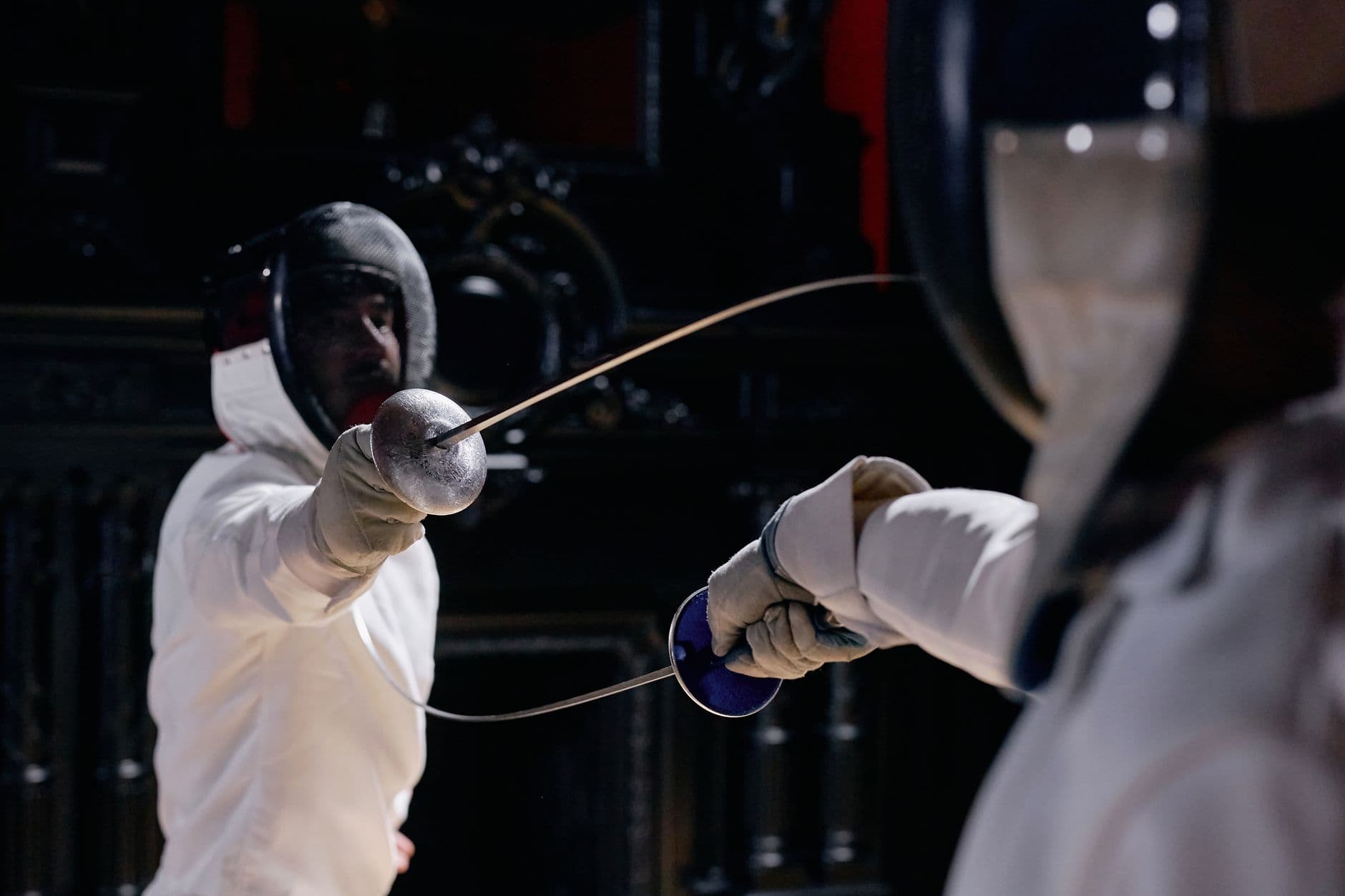
For smaller HEMA clubs, the model is plain in the results. Put rookies into events when they can fence with control, not just enthusiasm. Reward technical discipline, not only placement. Then let first-round composure, a technique award, and a team title speak for the training room.
This article was produced by Prism’s automated news system from verified source data, official records, and press releases, then run through automated quality and moderation checks before publishing. The system is built and supervised by the people who set the standards it runs under. Read our full AI policy.
Did this article answer your question?