HROARR adds Jean Chandler article on poisoned weapons in medieval warfare
HROARR has added Jean Chandler’s study on poisoned weapons, turning a medieval-warfare myth into a source-checking lesson for HEMA readers.
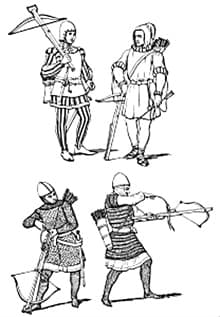
HROARR has pushed a sharp question into the center of the HEMA conversation: were poisoned weapons ever used in medieval warfare, or is the idea mostly legend? The site’s research section has added Jean Chandler’s article, and the piece now sits live as a direct test of how historians separate sensational claims from evidence.
Chandler says the inquiry started in June 2022 after Filipe Martins, a HEMA friend from Portugal, asked whether poisoned weapons were used in medieval Europe. From there, Chandler worked through objections that have long trailed the subject, including the idea that poison would not stay on a projectile, that it would be dangerous for the user, and that Europe lacked the needed ingredients. He did not stop at one type of source. He says he reviewed classical authors, sources from China, modern toxicologists, and medieval and early modern material before weighing the claim.
That method matters because HEMA has never been only about technique. It depends on reading sources carefully, tracing what they say in context, and resisting the urge to import dramatic assumptions into training or interpretation. HROARR’s research pages frame that mission plainly: they focus on HEMA sources and their social and historical contexts, and invite the community to publish thoughts there. The poisoned-weapons article fits that model exactly, because it asks not only what may have happened on battlefields, but what the record can actually support.
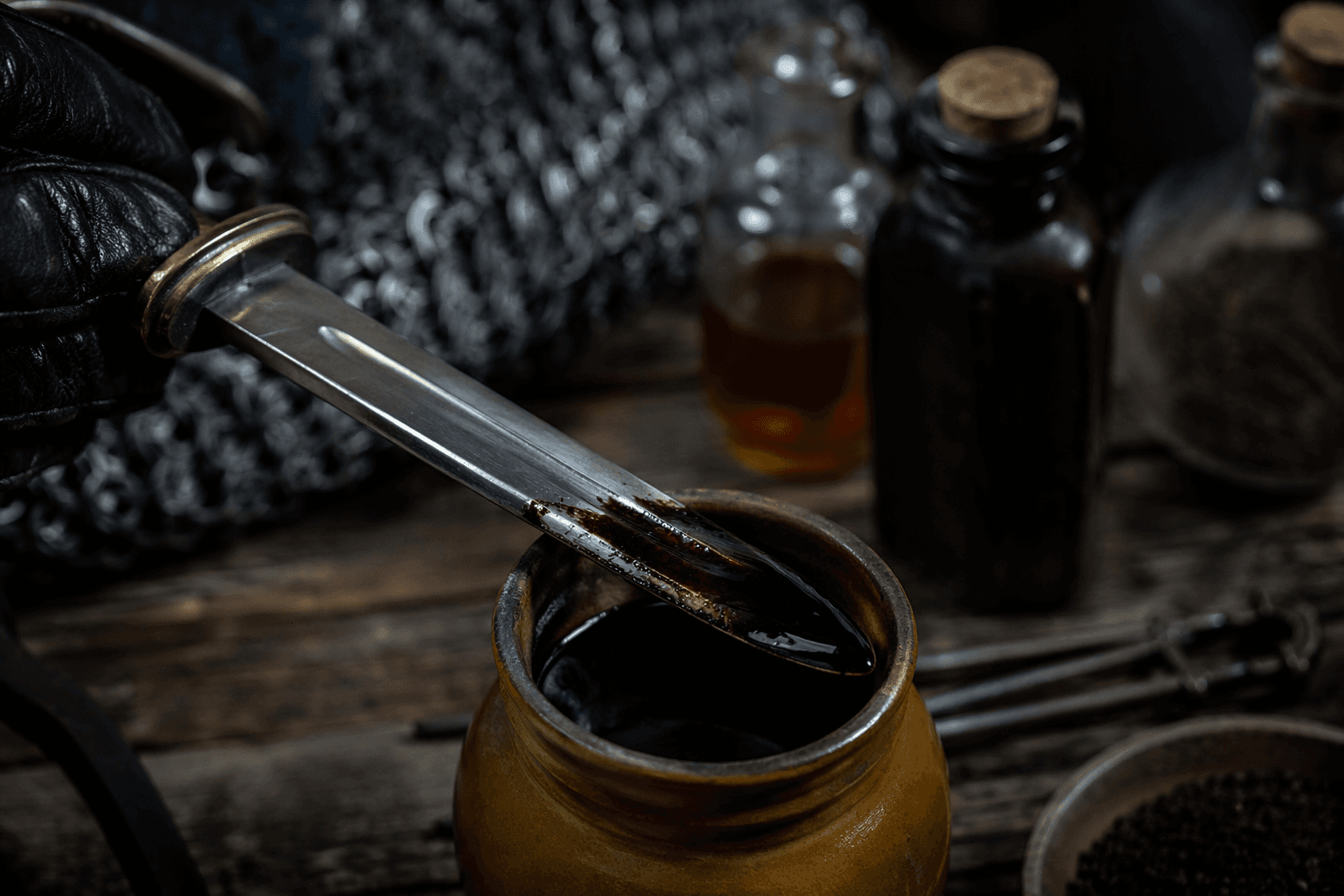
The broader scholarship around poison in medieval Europe shows why the topic stays difficult. A review of Franck Collard’s work notes about 400 alleged criminal poisoning cases from narrative and judicial sources between 500 and 1500 CE, with 60 percent from the later Middle Ages. That same review says poisoning was not a separate crime category before the early modern era and often overlapped conceptually with magic. In other words, poison appears in the record as accusation, fear, medicine, and law as much as weaponry.
Frederick W. Gibbs’ Poison, Medicine, and Disease in Late Medieval and Early Modern Europe pushes the issue across roughly 1200 to 1600 and treats poison as part of a wider medical and intellectual world. That kind of scholarship helps explain why Chandler’s article matters beyond trivia. If poisoned weapons show up in the sources, the question is not just whether they existed, but how often, in what contexts, and how responsibly practitioners should talk about them today. For HEMA, that is the real lesson: authenticity begins with evidence, and the limits of the evidence matter as much as the stories that survive.
This article was produced by Prism’s automated news system from verified source data, official records, and press releases, then run through automated quality and moderation checks before publishing. The system is built and supervised by the people who set the standards it runs under. Read our full AI policy.
Know something we missed? Have a correction or additional information?
Submit a Tip