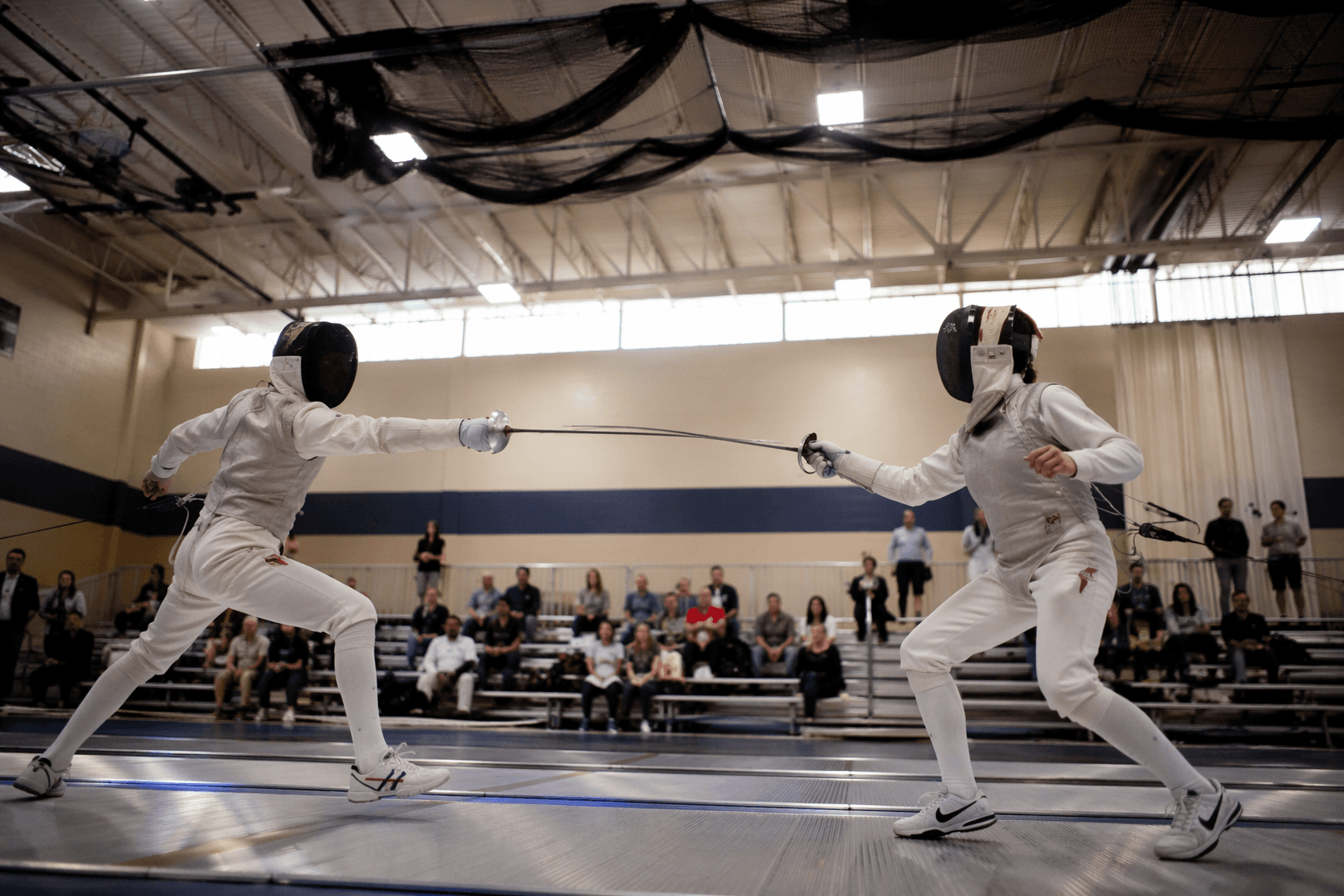
London Historical Fencing Club fills rapier, longsword and sabre sessions
Rapier and longsword were nearly full at Arch 12, while sabre coaching stayed tightly restricted to steel-sparring-passed fencers.
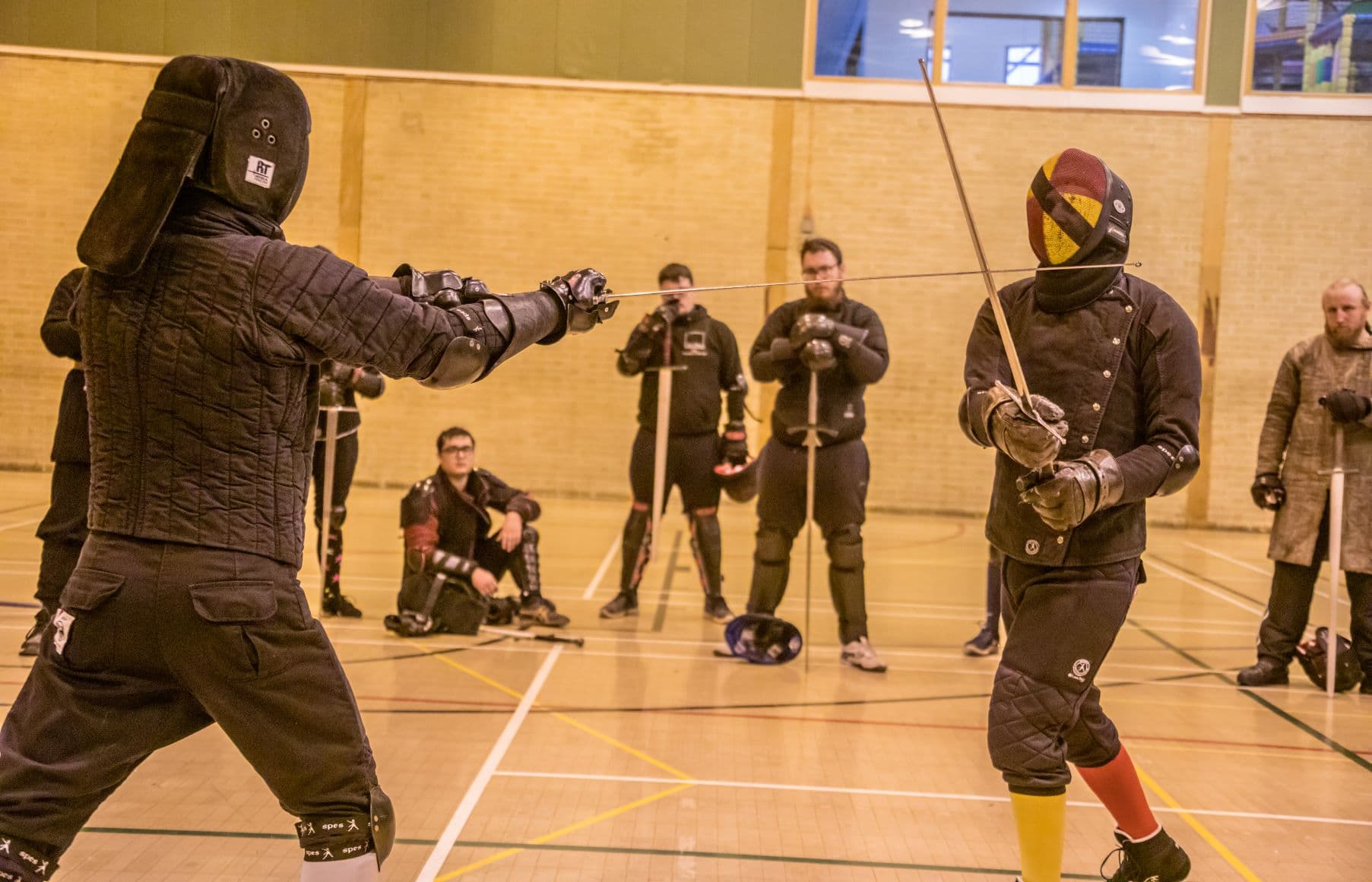
Rapier and longsword were both running close to capacity at London Historical Fencing Club, turning an ordinary weeknight booking sheet into a clear read on where demand was tightest. The June 3 rapier open session had one space left out of 14, and the longsword open session had two spaces left out of 14, while a June 6 sabre coaching slot showed three openings in a 10-place class.
The pattern mattered because the club’s booking rules already draw a hard line between entry-level access and advanced work. London Historical Fencing Club said all classes had to be booked in advance, and anyone booking a first class was supposed to come through the beginner pathway rather than drop into regular sessions. At Arch 12, 21 Miles Street, London, between Vauxhall and Nine Elms, that meant a busy schedule in a permanent central London venue with walking access from both Vauxhall station and Oval station. All classes cost £15 for the full session.
The club’s structure showed why the June 3 sessions filled so quickly. Longsword beginners could enter through a 7-week course or a half-day crash course. Rapier beginners had three routes in, including a dedicated beginners session, a crash course, or occasional taster sessions. Sabre was even more tiered: beginners alternated between a crash course and a beginners session alongside regular Thursday evening classes, while sabre coaching was reserved for fencers already steel-sparring passed in the weapon.

That layered intake system meant the club was not simply managing room on a timetable. It was managing access to different parts of Historical European Martial Arts, from first exposure to higher-intensity technical training. London Historical Fencing Club described itself as a volunteer-led registered charity, CIO 1200898, with classes in longsword, rapier, sabre and smallsword, and said not all classes took newcomers every week. Once a student had attended one class, the club said, they were generally free to book further classes if space allowed.
The booking page and class descriptions pointed to a club that was still drawing members across multiple weapons rather than relying on one flagship discipline. For readers tracking where HEMA training is easiest to enter in London, the beginner routes remain the clearest opening. For those already inside the system, the tightness of the June schedule showed that specialized coaching, especially in sabre, was still the hardest seat to secure.
This article was produced by Prism’s automated news system from verified source data, official records, and press releases, then run through automated quality and moderation checks before publishing. The system is built and supervised by the people who set the standards it runs under. Read our full AI policy.
Know something we missed? Have a correction or additional information?
Submit a Tip