Mortfest 2026 embraces Highlander theme with workshops, combat, and culture
Mortfest’s Year of the Highlander turns a HEMA weekend into a culture-forward test case, with McBane, workshops, and Highland Games flavor shaping the draw.
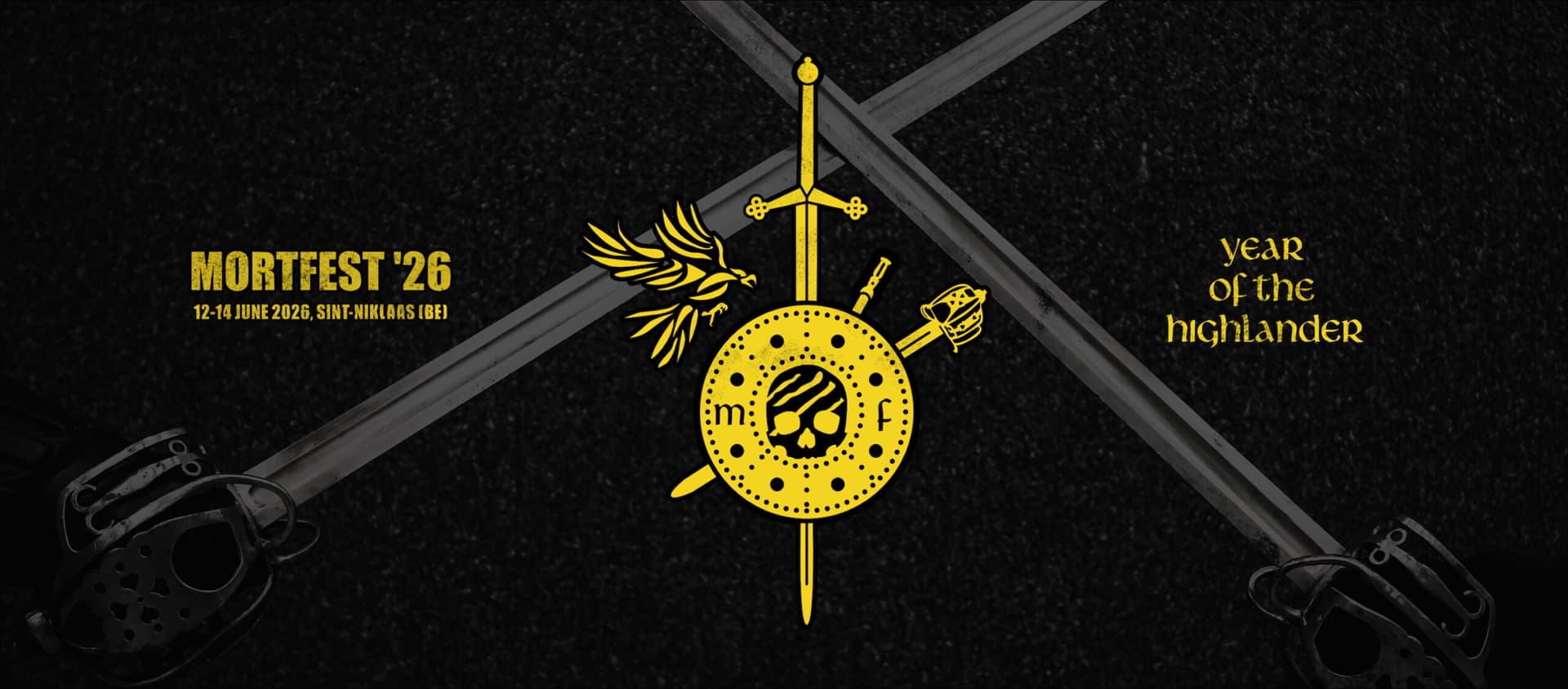
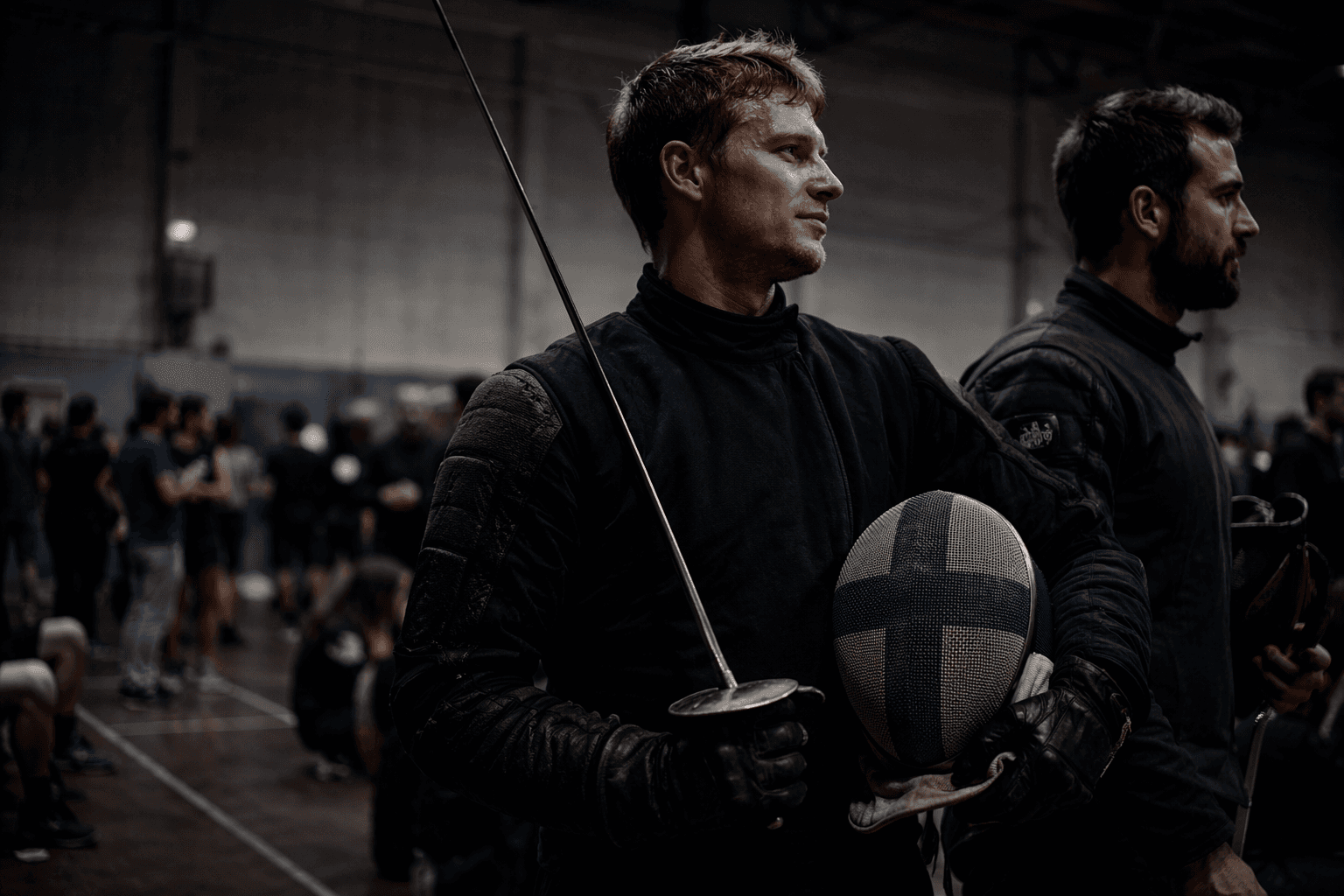
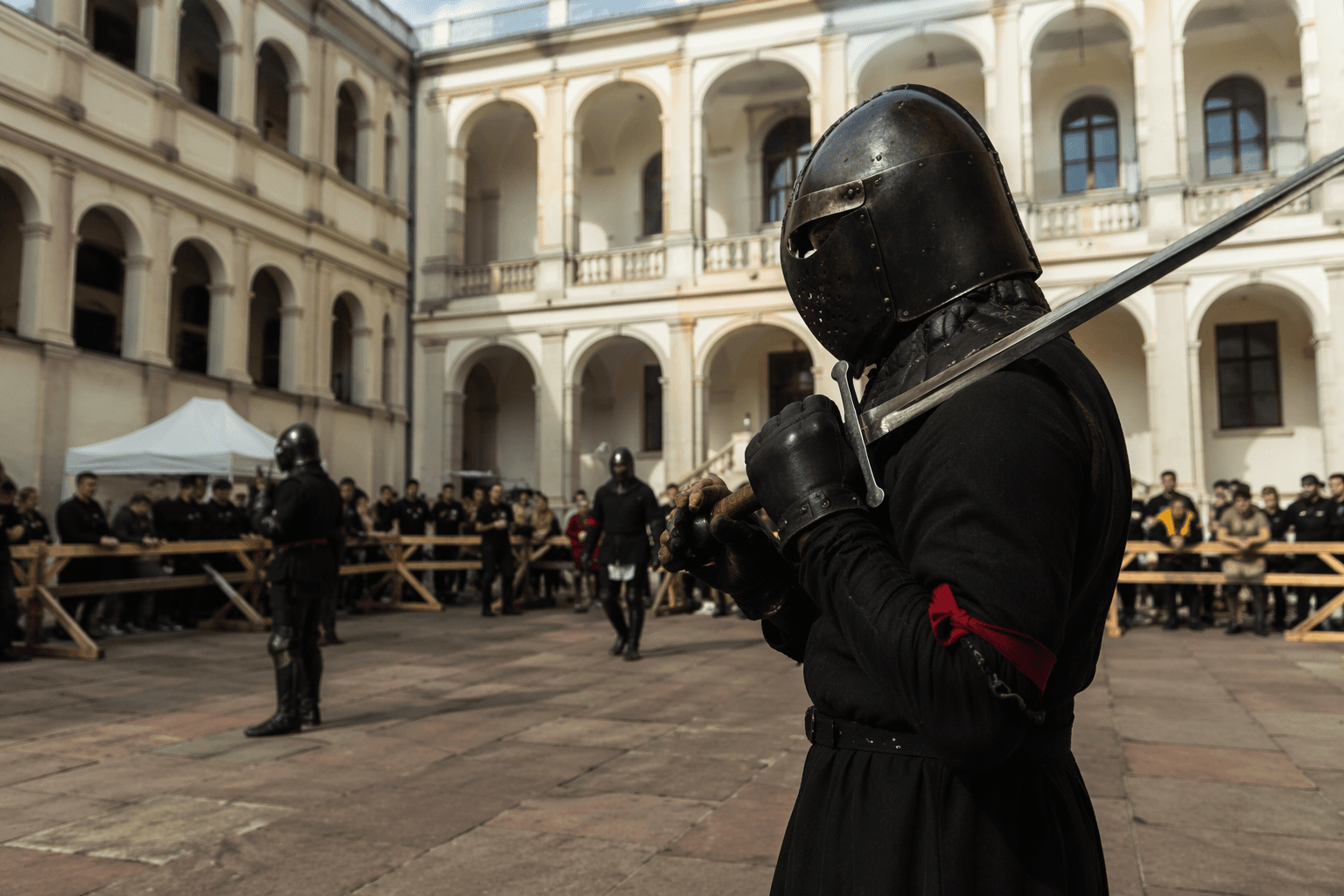
Mortfest 2026 is leaning hard into identity, and that may be the smartest thing it does. The fourth edition, titled Year of the Highlander, runs June 12-14 at Jeugdverblijf Heywijck in Sint-Niklaas, Belgium, and it pairs bracket combat with more than 10 workshops, 4 lectures, and a full layer of Scottish atmosphere.
A festival built to stand apart
In a crowded HEMA calendar, Mortfest is not presenting itself as another straight tournament weekend. The event page makes the point immediately: this year’s focus is partly on the history and culture of the Scottish Highlands, with entertainment, themed programming, and combat all sharing the same stage. That is a meaningful distinction for a scene where some events live or die on the strength of a single draw, while others build loyalty by giving participants something to do before, between, and after their bouts.
The theme also matters because Mortfest is now using a recurring formula rather than a one-off costume concept. The 2025 edition was billed as Year of the Pirate, and 2024 carried the Year of the Viking label. Year of the Highlander fits that pattern neatly, suggesting that the organizers see themed framing as part of the event’s identity, not just a promotional flourish.
What fencers are actually getting
Mortfest is structured as a multi-track weekend, not a one-dimensional competition stop. The category list alone shows how broad the offer is: broadsword, dagger, lecture, marginalized gender longsword, mixed steel, rapier, saber, sword and buckler, training camp, and workshop. That spread signals an event that wants to serve different kinds of participants at different stages, from fencers who want hard matches to students who come for technical work or historical discussion.
The schedule runs from 6:00 pm on June 12 to 5:00 pm on June 14, which gives the event a compact but full weekend shape. Registration is listed from €75 to €200, a range that suggests multiple participation levels rather than a single flat entry point. In practical terms, Mortfest looks built for the people who like HEMA best when it blends structured learning, live fencing, and a social setting that keeps the whole weekend moving.
Why the Highlander frame is more than decoration
The Scottish angle is not just about bagpipes and kilts, though those are part of the package. Mortfest says this edition will feature workshops, lectures, and entertainment focused on the Highlands, while also promising the McBane Challenge and Highland Games-inspired challenges. That combination gives the weekend a very specific flavor: historical fencing framed through a regional martial culture rather than through generic medieval imagery.
Highland Games itself is a strong reference point because it is already a hybrid of sport, culture, and social ritual. Official Scottish tourism material describes the games as a mix of sporting, cultural, and social events that include piping, Highland dancing, and heavy events like tug o’ war, the hammer throw, and tossing the caber. The same material says the games are celebrated globally, with more than 200 annual games and gatherings across the United States and Canada. Mortfest is borrowing from a tradition that already understands spectacle as part of community identity.
The McBane connection gives the theme historical weight
The McBane Challenge is the clearest sign that this is not empty branding. Donald McBane, from Inverness, published The Expert Sword-Man's Companion; or the True Art of Self-Defence in Glasgow in 1728, and one source notes that the book was illustrated with 22 etched copper plates. For a HEMA event built around Scottish framing, that is a direct historical anchor rather than a vague nod to the past.
That matters because the challenge ties the weekend to a specific fencing tradition associated with Scotland and the Highlands. In a scene where participants often care as much about source material as they do about results, McBane gives the event a recognizable touchstone. The result is a competition hook that says something about the historical lane Mortfest wants to occupy.
The club behind the event is rooted in the local scene
Mortfest comes from Arte Mortiferum, the Sint-Niklaas club that organizes the event. The club says it mainly trains military sabre, rapier, and longsword, and that lessons are given by Joris Jacobs, described there as an international tournament fighter and instructor. That background helps explain why Mortfest can comfortably mix technical fencing with a broader festival structure: the organization already sits at the intersection of training, competition, and instruction.
A local report said Arte Mortiferum had 25 members and trained twice a week in Sint-Niklaas and nearby Sinaai. That scale is small enough to feel personal and stable, but large enough to sustain an event with workshops, lectures, and multiple weapon categories. Mortfest therefore reads less like a detached convention and more like an extension of a working club culture that has been built over time.
Who Mortfest is for, and why that matters
The strongest clue to Mortfest’s audience is the way the event refuses to choose between fighting and framing. Competitive fencers get broadsword, saber, rapier, mixed steel, and sword and buckler action. Students get lectures and workshops. Anyone drawn to the social side of HEMA gets the Highlander atmosphere, the music, and the broader cultural identity wrapped around the bouts.
That makes Mortfest especially appealing to the slice of the HEMA audience that wants context with its combat. It is not aimed only at medal chasers, and it is not only for academics or collectors of themed experiences. The event seems built for participants who want the discipline of fencing, the texture of a study weekend, and the sense that the whole room is leaning into a shared historical world. That is a sharper proposition than a standard bracket schedule, and it may be exactly why Mortfest keeps returning as a summer fixture.
This article was produced by Prism’s automated news system from verified source data, official records, and press releases, then run through automated quality and moderation checks before publishing. The system is built and supervised by the people who set the standards it runs under. Read our full AI policy.
Know something we missed? Have a correction or additional information?
Submit a Tip