Pražský argument returns to Prague with compact longsword-only card
Pražský argument kept its fifth edition tight in Prague, with only open and women’s longsword on a one-day card. The format put bracket clarity over bloat.
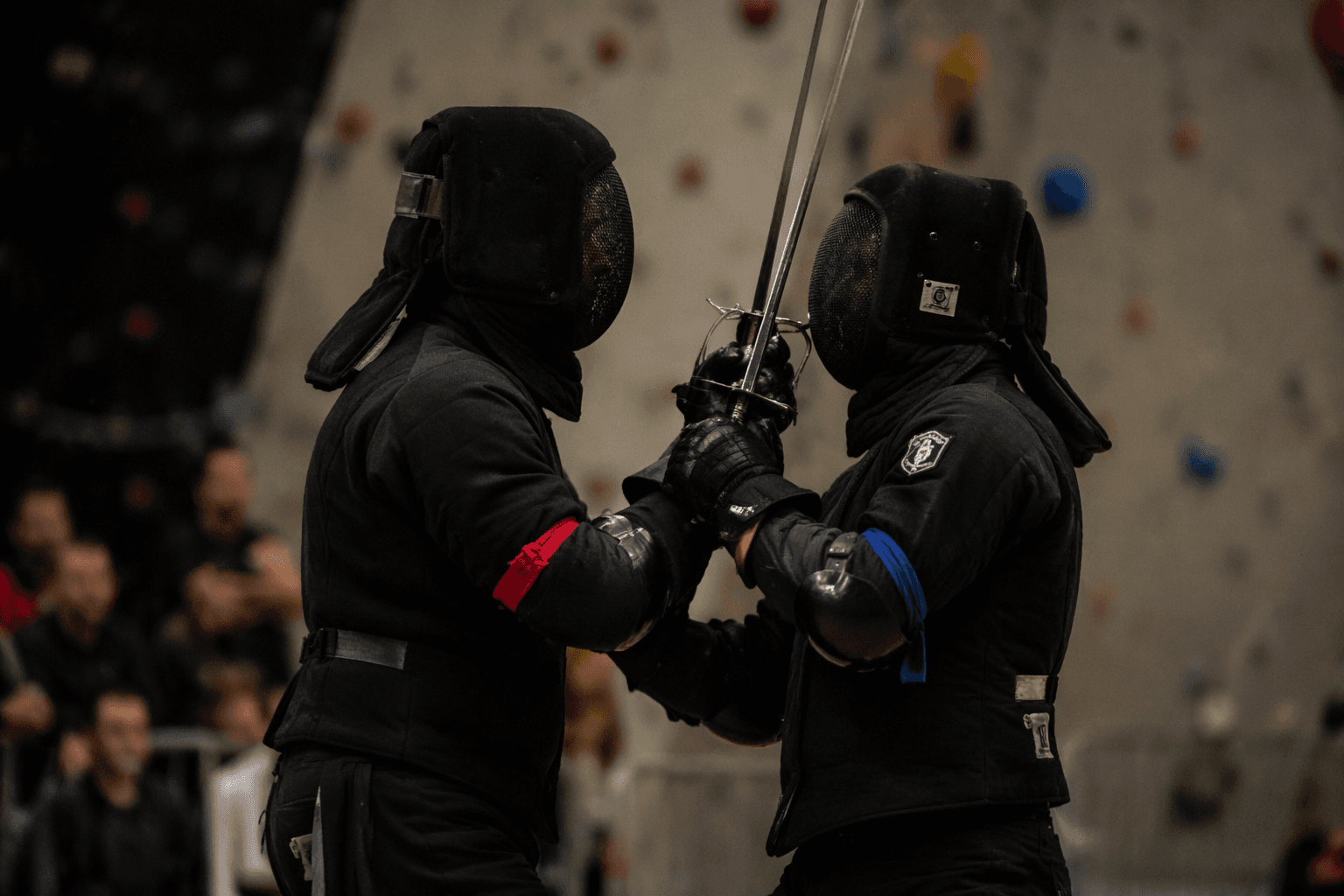
Pražský argument returned to Prague with a stripped-down fifth edition that put longsword first and everything else aside. The one-day tournament centered on just two divisions, Longsword OPEN and Longsword WOMEN, a deliberate choice that gave the event a sharper competitive edge than the sprawling multi-weapon weekends that crowd the HEMA calendar.
That focus is the point. By narrowing the slate, the organizers created a format that is easier to schedule, easier to judge, and easier for spectators to follow from first pool bout to final. In a scene where tournaments often try to be everything at once, Pražský argument leaned the other way and made a case for less being more, especially when the weapon is longsword and the field can draw enough talent to keep every bracket meaningful.
The event announcement landed on June 6, 2026, and it made clear that the tournament was still in its early information phase. Ruleset, registration fees, and schedule were all listed as to be confirmed, which pointed to an operation still locking in venue logistics and measuring competitor interest while keeping the structure compact and manageable. That uncertainty did not blunt the appeal; instead, it underscored how intentionally simple the concept was.
The bilingual Czech-and-English presentation widened the reach beyond the home scene and signaled that Prague remains a regular stop for international HEMA travel. The organizers framed the tournament as a reunion point for fencers who value a fair-play-driven contest atmosphere as much as the results themselves, and the language around the event stressed community spirit in the Czech scene rather than sheer scale.
For athletes mapping out the summer-to-autumn stretch, Pražský argument added another fixed point in the Central European longsword calendar. The open and women’s divisions gave local clubs a clear target for prep bouts and travel planning, while the tight format raised a simple question that matters in an overcrowded schedule: if a tournament can deliver cleaner brackets, clearer judging, and a stronger competitive identity in a single day, that may be the version worth circling first.
This article was produced by Prism’s automated news system from verified source data, official records, and press releases, then run through automated quality and moderation checks before publishing. The system is built and supervised by the people who set the standards it runs under. Read our full AI policy.
Know something we missed? Have a correction or additional information?
Submit a Tip