What is HEMA, the sport-research blend behind European swordsmanship
HEMA is where manuscript study meets tournament pressure: the same sword tradition can become a research lab, a fighting sport, or both.
The biggest split in HEMA is not which weapon is in your hand. It is whether you are treating European swordsmanship as a martial art, a martial sport, or both, and that choice changes the club, the gear, the judging, and the kind of result you can claim. Wiktenauer’s International Federation of HEMA page frames the field as a worldwide movement built around the safe and efficient practice of European martial heritage, and that wording matters because it puts scholarship and competition on the same map.
What HEMA actually is
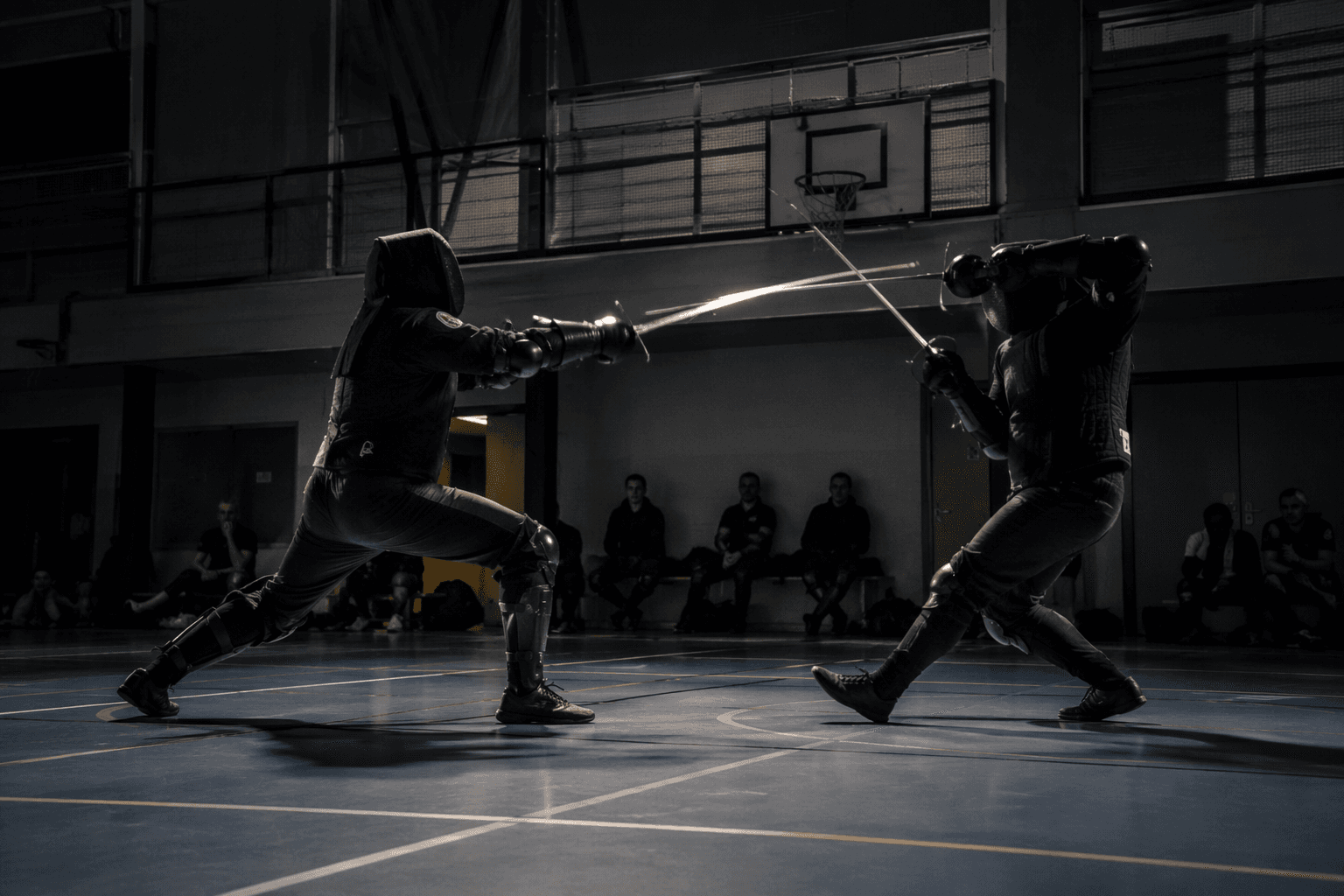
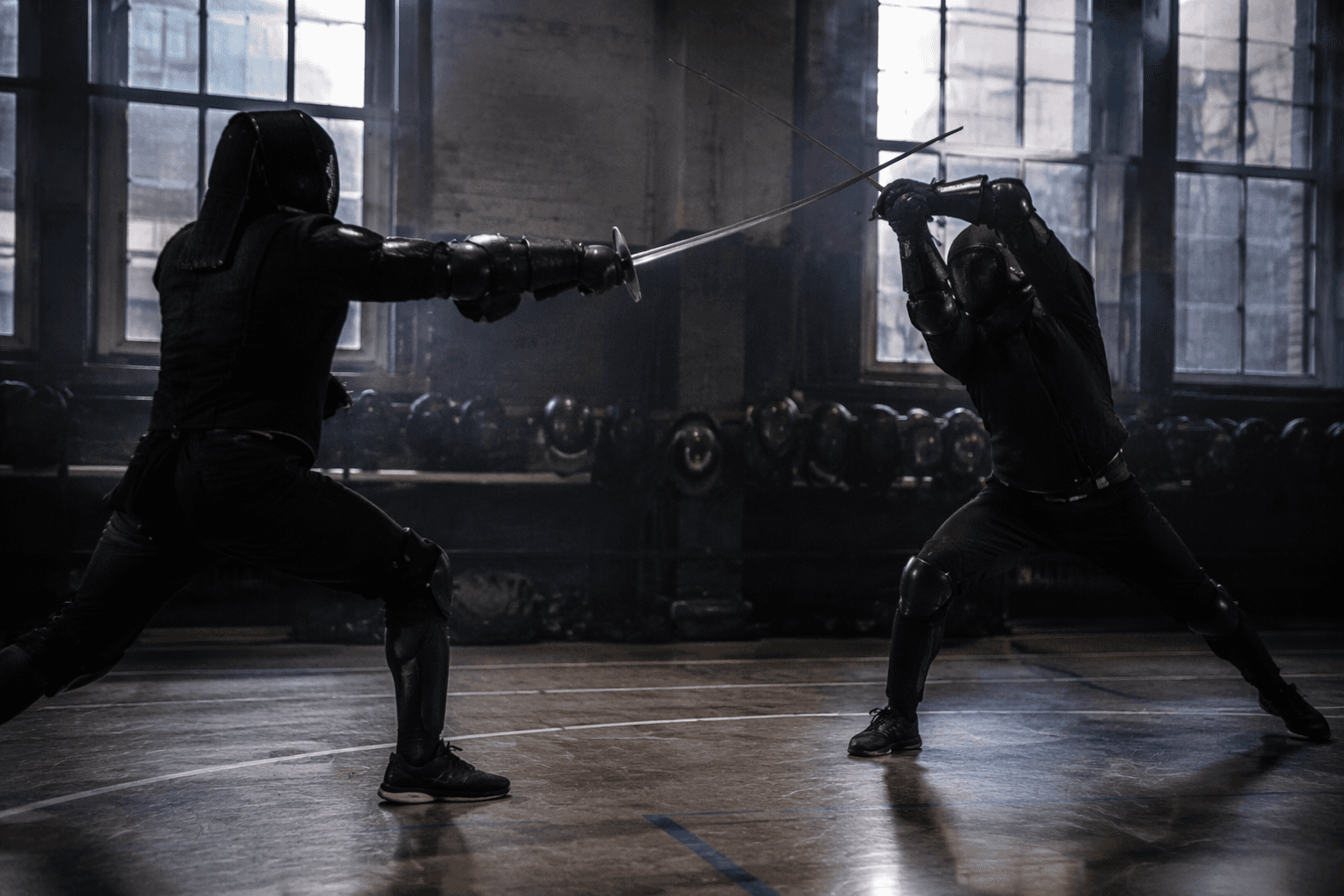
HEMA is broader than longsword and broader than fencing nostalgia. The modern practice covers sword, knife, and unarmed combat techniques drawn from the past, with practitioners rebuilding methods from historical treatises, manuscripts, and fencing systems rather than simply reenacting costume combat. That is why the scene can feel like a research project in one room and a fight card in the next.
The key distinction is the one many outsiders miss: HEMA can be practiced as martial arts or as martial sports, and many centres do both. In practical terms, that means one club may emphasize historical study and technical reconstruction, while another focuses on sparring rules, live bouts, and tournament preparation. The historical practice is the same root; the competitive expression is a very different tree.
Why the revival story has two timelines
The modern revival is usually traced to the 1980s, when the work was mainly driven by intellectuals and scholars uncovering old manuals and reconstructing lost systems. A later account places HEMA’s recognizably modern rise in the late 1990s, with the sport spreading more widely during the 2010s. Both timelines matter because they explain why the field still carries two identities at once: archive-first research and combat-sport pressure.
That split became sharper after the COVID-19 pandemic. A 2023 survey of the scene described a dramatic increase in club membership and competition registration after the shutdowns eased, which is exactly the sort of growth that changes a niche into an organized sporting ecosystem. More fighters means more brackets, more divisions, more rulebooks, and more arguments about what counts as faithful enough.
What happens when the historical practice becomes a sport
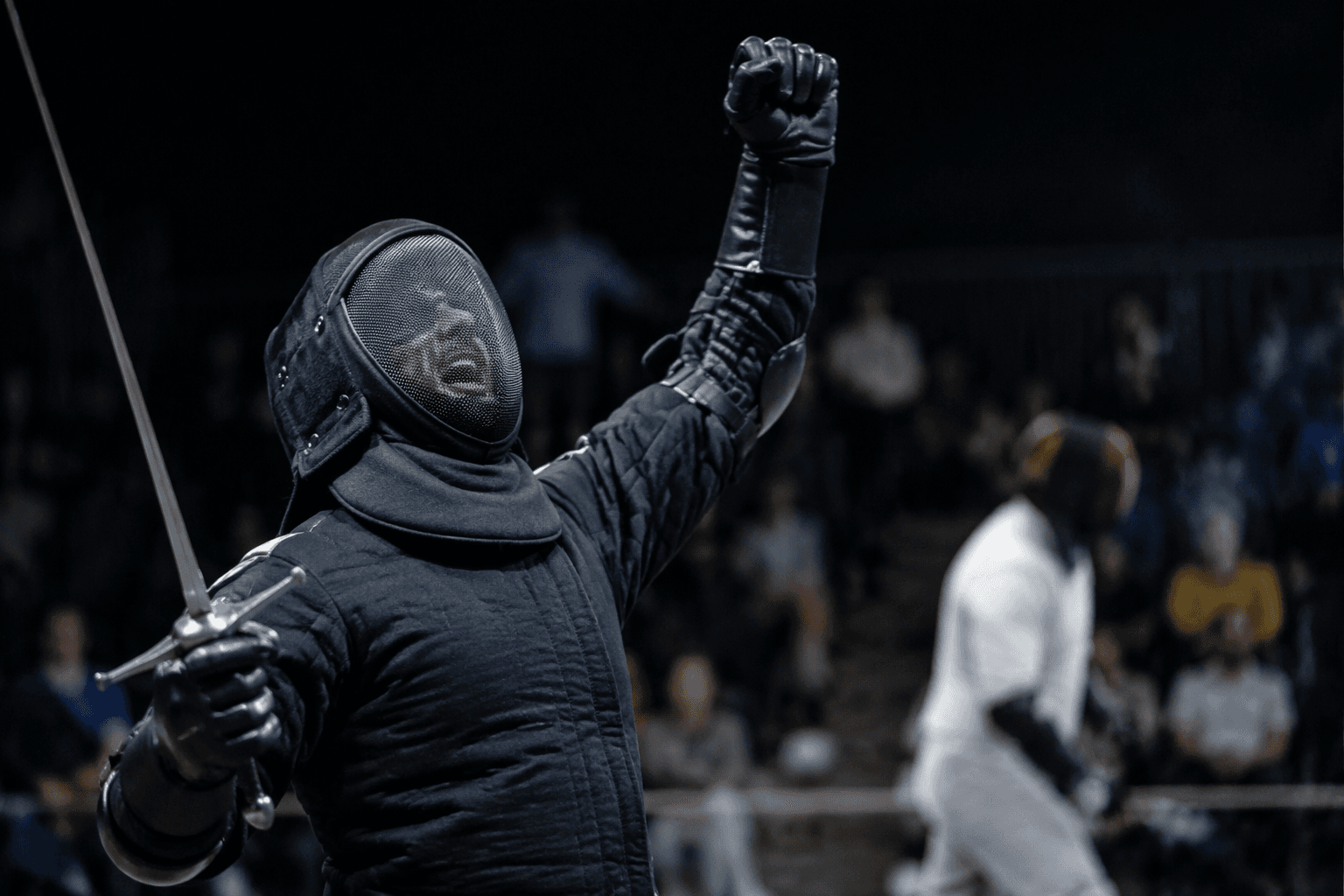
Once HEMA is organized for competition, the entire experience changes. The focus shifts from recovering a historical system to making that system work under pressure: sparring rules, safety gear, judging standards, and competition structure all become part of the craft. That is the point where HEMA starts to look less like a museum exercise and more like a living combat sport with receipts.
That sporting side is also where federation structures matter. IFHEMA lists founding members across Austria, Belgium, France, Hungary, Poland, Slovakia, Slovenia, and Switzerland, and SwissHema identifies SFHEMA as a founding member launched under a provisional executive. Those links are not trivia. A federated scene gives clubs a shared language for events, safety expectations, and comparison across borders, which is essential when athletes in different countries want to fight under something close to the same rules.
Safety is not an afterthought
HEMA sells itself on historical authenticity, but the modern scene survives because of safety standards. HEMA Alliance’s training-safety guidance says serious injuries are rare, but not unheard of, and that is the real competitive reality behind the masks, gloves, and padded jackets. If a club treats equipment and supervision lightly, it is not preserving the art, it is risking the athletes.
That is why HEMA clubs lean so hard on protective gear and controlled formats. The sport-research blend only works when reconstruction is paired with usable safeguards, because a manuscript cannot tell you how to run a safe practice line or how much contact a tournament can absorb before it stops being sustainable. The best clubs know that the historical work is only credible if people can keep training.
Why HEMA is not just reenactment
HEMA and reenactment are related, but they are not the same thing. An EXARC journal article drew that line clearly, and the distinction is useful because reenactment can focus on staging the past while HEMA pushes toward measurable combat function under modern conditions. The difference shows up in the bout: HEMA wants to test whether a reconstruction actually works when someone is trying to shut it down.
That competitive instinct may be newer than the scene’s popularity boom, but it is not as new as many people think. One long-running HEMA argument places the first known tournament earlier than the late-1990s revival story, which is a reminder that organized fighting has been part of the conversation longer than casual observers assume. The field did not invent competition after it discovered manuscripts; it inherited both the texts and the urge to test them.
A global scene with local clubs and cross-border ties
HEMA is called European martial heritage, but the movement itself is global. One Mexican practitioner has met fighters from the Czech Republic, Italy, and Portugal, which is exactly what a transnational combat community looks like when it starts trading drills, brackets, and friendships across borders. The label may point back to Europe, but the network now stretches well beyond it.
The community also carries an explicit inclusion ethic. A 2015 documentary description made the case that HEMA should be open regardless of gender, ethnicity, or self-identity, and that openness helps explain why the scene keeps pulling in new athletes as well as historians. The more the sport grows, the more that principle matters, because the field only stays credible if the club door is wider than the old gatekeeping fantasy.
HEMA survives because it refuses to be only one thing. It is scholarship that can be hit back at, sport that still remembers the manuscript, and a global movement that has learned to make history fight under modern rules.
This article was produced by Prism’s automated news system from verified source data, official records, and press releases, then run through automated quality and moderation checks before publishing. The system is built and supervised by the people who set the standards it runs under. Read our full AI policy.
Did this article answer your question?