Crowe, Holt Named Co-MVPs as West Tops East 102-86 in McDonald's All-American Game
Jason Crowe Jr. (16 pts, 5 ast) and Caleb Holt (11 pts, 5 reb) shared MVP honors as the West pulled away with 36 fourth-quarter points to beat the East 102-86.
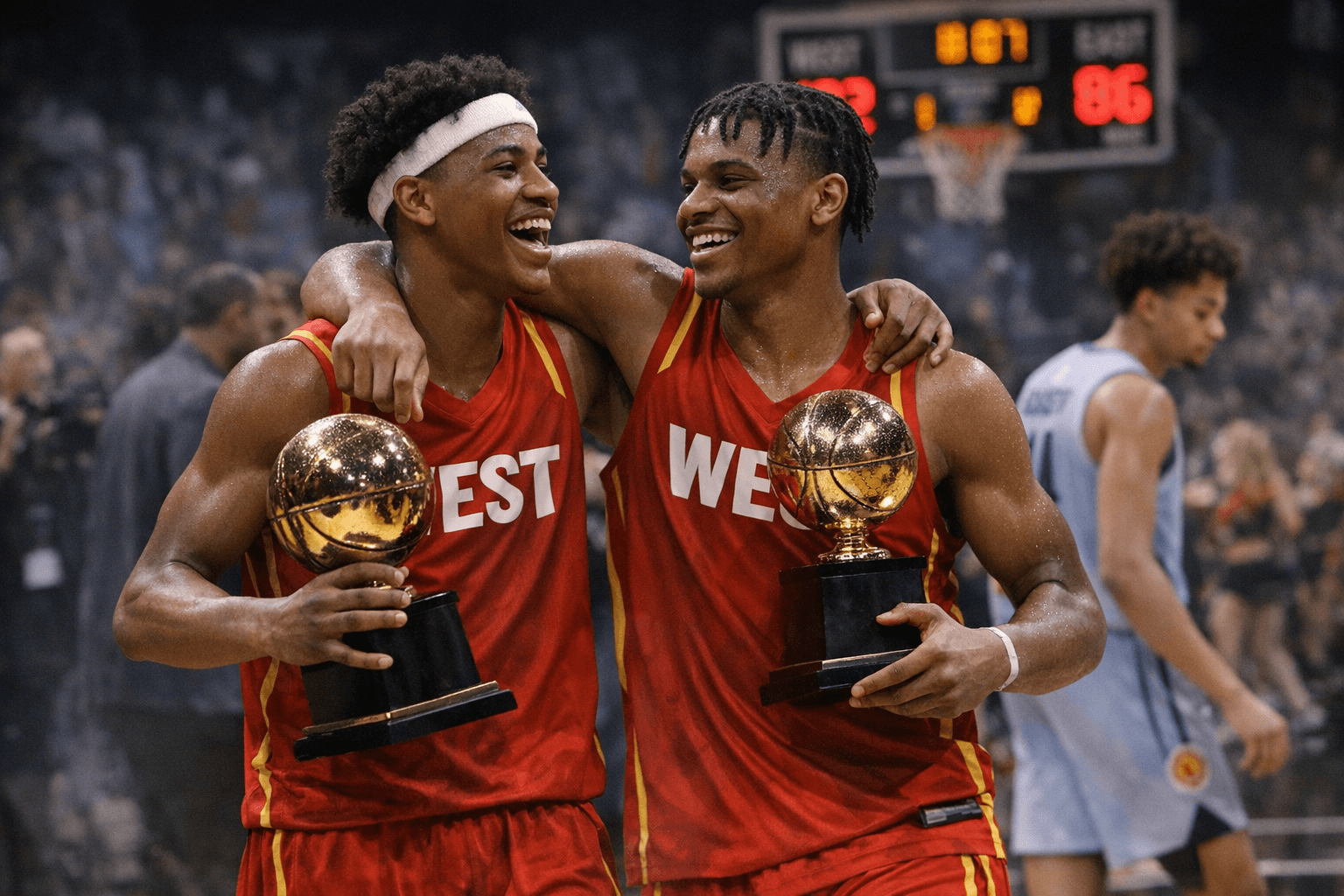
Twenty-two of the best high school seniors in the country took the floor at Desert Diamond Arena in Glendale, Arizona last Tuesday. The final score told you most of what you needed to know: West 102, East 86, and it wasn't particularly close by the finish.
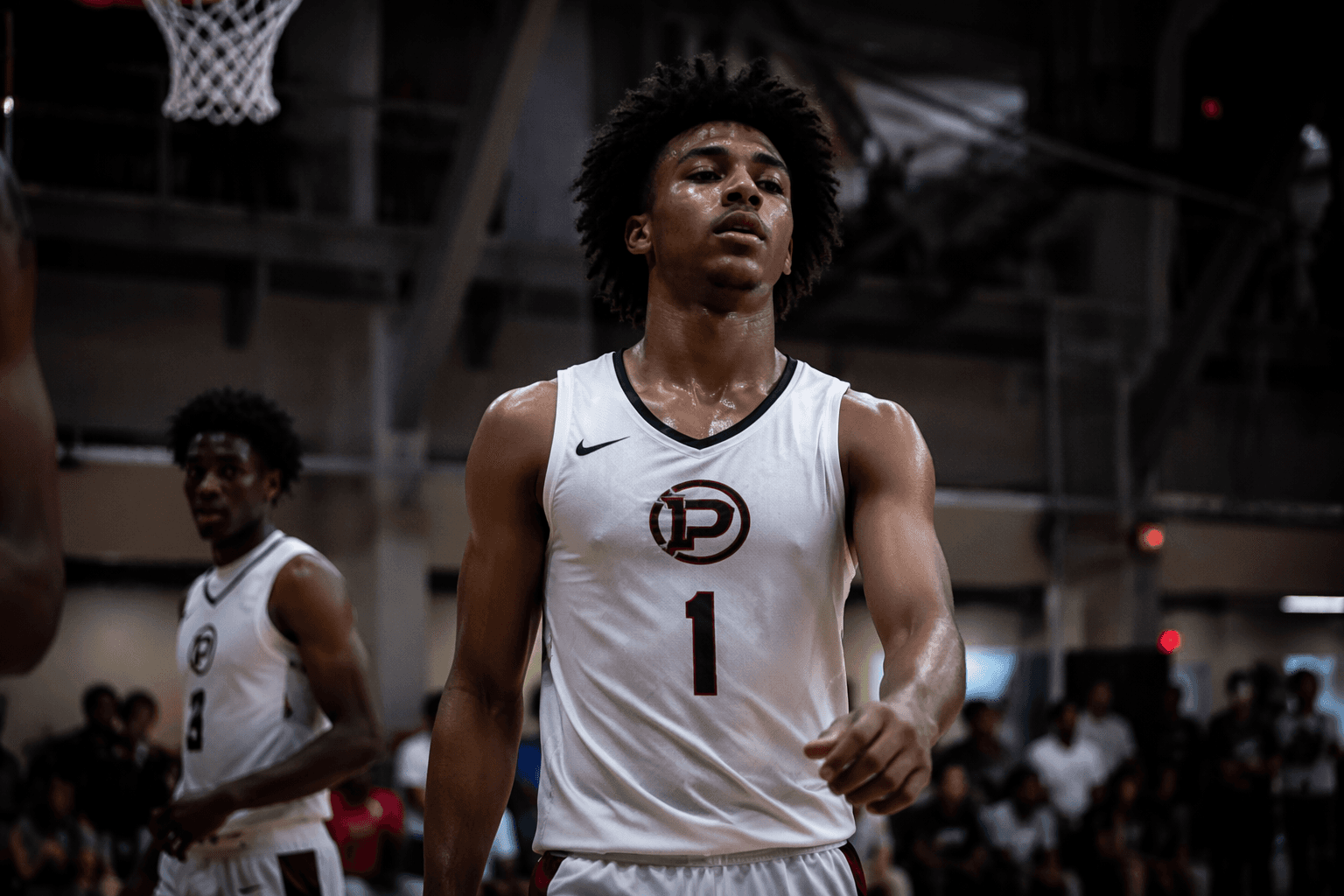
Jason Crowe Jr. and Caleb Holt walked off with co-MVP trophies after driving the West's second-half surge. Crowe, a 6-3 guard from Inglewood who signed with Missouri, finished with 16 points and five assists, consistently breaking down the East's defense with midrange pull-ups and well-timed passes in transition. Holt, a 6-5 wing from Prolific Prep heading to Arizona, posted 11 points, five rebounds, and four assists on a night that showcased the two-way versatility that makes him one of the more college-ready prospects in the class. Co-MVP honors are uncommon in all-star formats; the decision here reflected two distinct skill profiles that each shaped the outcome differently rather than any split of credit.
The game was reasonably competitive through three quarters, the East staying within range on outside shooting and secondary scoring. Then the West scored 36 points in the fourth quarter and ended the debate. That kind of closing burst, fueled by paint conversions and transition finishing rather than heat-check threes, is what separates the top tier of this class from everyone else.
For Indiana fans watching from home, the game served as a useful benchmark in more ways than one. The McDonald's All-American roster represented 13 states; the style of play those 22 players showcased, heavy on spacing, off-the-dribble creation, and the ability to function in uptempo sets without half-court structure, looks significantly different from what typically wins an IHSAA sectional or regional in March. Indiana basketball still rewards physicality, post-up execution, and the kind of controlled tempo that packs gymnasiums in February. Those traits get players state titles; they do not, on their own, generate recruiting profiles that reach this level. The prospect who earns a McDonald's invitation typically reads the game two passes ahead in space, finishes above contact at the rim, and can guard multiple positions in a scramble defense. That profile is rare anywhere, and Indiana has produced it only a handful of times in recent decades.
The 2026 class itself carries an important asterisk: multiple national evaluators have noted it does not match the overall depth of the 2024 or 2025 cycles, which each featured generational freshman talent. That context matters for how Indiana programs plan their schedules and roster construction over the next two years. Crowe and Holt will arrive at Missouri and Arizona, respectively, as plug-in options for programs expecting immediate contributions; the rest of this class will face a steeper adjustment than recent freshman waves encountered.
What the night confirmed is that the gap between elite national recruiting and Indiana's best high school basketball remains measurable and specific. Closing it requires the kind of shot-creation and positional versatility the co-MVPs put on tape Tuesday in Glendale.
This article was produced by Prism’s automated news system from verified source data, official records, and press releases, then run through automated quality and moderation checks before publishing. The system is built and supervised by the people who set the standards it runs under. Read our full AI policy.
Did this article answer your question?