Crown Point's Slow-Pace Strategy Reignites Indiana Shot Clock Debate
Crown Point's minute-long stall with 5 minutes left in the 3rd quarter drew deafening boos at Gainbridge, reigniting Indiana's shot clock debate as a May 4 vote nears.
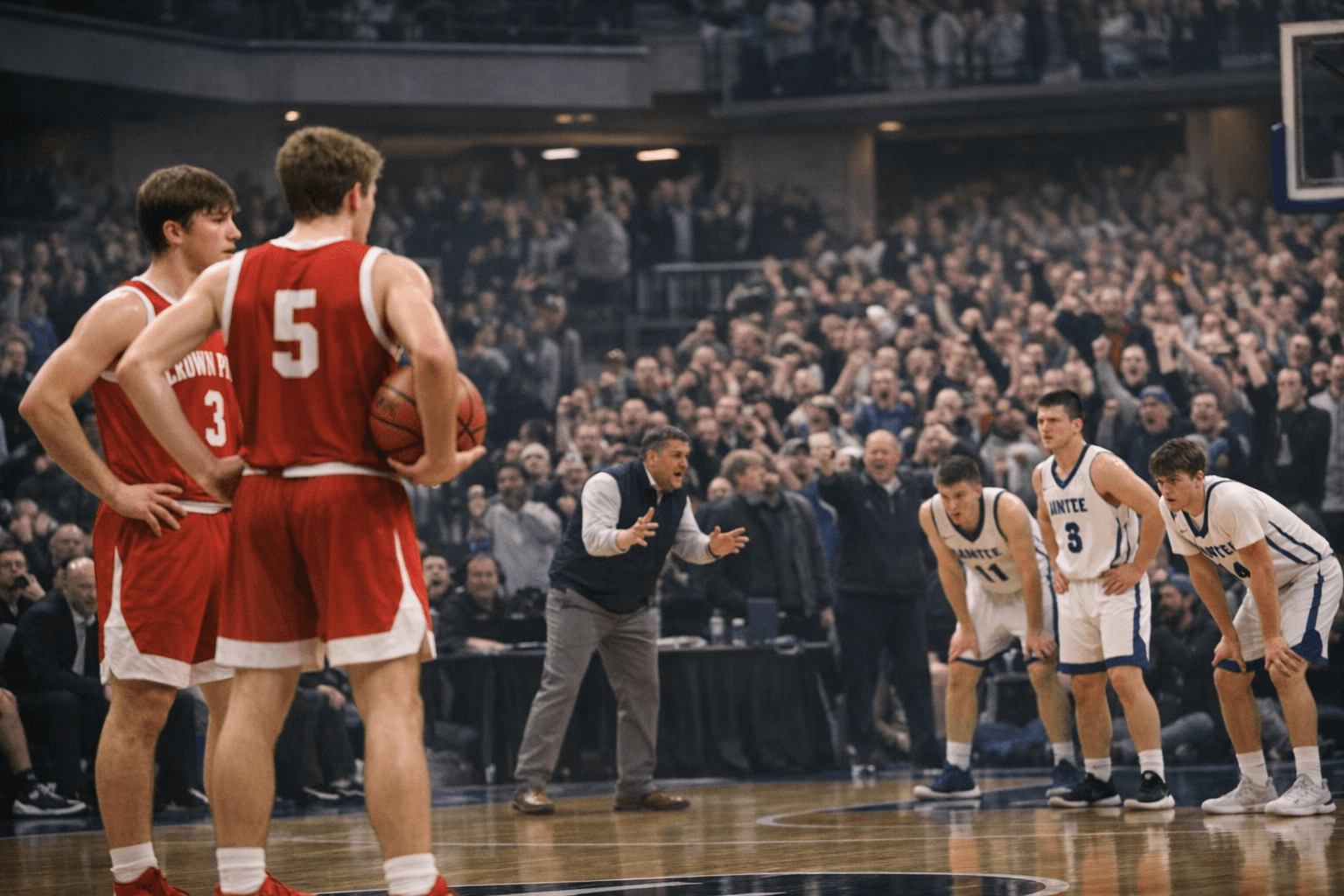
Crown Point held the ball for more than a minute with five minutes remaining in the third quarter of the Class 4A state title game Saturday at Gainbridge Fieldhouse, and the Bulldogs weren't moving. No drive, no pass action, no attempt at the rim. Just a player standing near midcourt while the crowd erupted with boos. They did it again minutes later off a timeout, and again after that. Every possession drew the same response.
Mt. Vernon, undeterred, won the championship 52-50, holding the lead for only a brief stretch of the fourth quarter before it was the only number that mattered at the final buzzer. The Marauders entered at 27-3; Crown Point at 25-1. The Bulldogs' stall strategy, designed to bleed clock and possessions from a team that had already clawed back from a 30-20 halftime deficit, ultimately backfired.
But the question that lingered when the nets came down was not whether it worked. It was whether Indiana would ever close the loophole that made it possible.
Would a shot clock change late-game strategy in tournament play? The answer, to 32 states this season, is already settled. Indiana is one of just 18 states that do not use a shot clock for high school basketball. Before the National Federation of State High School Associations approved the option in 2021, only 10 states had one. The trend line is unmistakable, and Indiana now stands firmly in the minority.
Indiana Basketball Coaches Association representatives Tom Beach and Michael Adams carried a 35-second shot clock proposal before the IHSAA Executive Committee on Feb. 20, presenting rationale and data in support of implementation beginning with the 2027-28 school year. No action was taken. The proposal now sits before the IHSAA Board of Directors, which meets May 4 to vote on it. The board can affirm, deny, table, or amend the proposal.
"We are listening to the coaches association and then will evaluate with our board," said IHSAA assistant commissioner Brian Lewis.
Critics of the shot clock cite the cost burden on smaller programs. Installing clocks at both ends of a gym and adding a dedicated official to manage them at every game represents a financial hurdle that many rural Indiana schools cannot absorb. Opponents also argue that deliberate offenses are a legitimate coaching tool, particularly for underdogs trying to neutralize a more talented opponent.
The counterargument got an uncomfortable showcase this postseason. A boys sectional game between Lowell and Hanover Central ended 18-13, a combined total of less than one point per minute of basketball. Saturday's championship version was louder and more public. Broadcast reporter Dominic Miranda, covering the title game live, posted video of Crown Point's possessions and wrote: "Indiana needs a shot clock and it needs it now."
If the IHSAA Board of Directors approves the measure on May 4, clocks would not appear in Indiana gyms until the 2027-28 season at the earliest, giving schools time to budget for installation. A possible trial period before full implementation has been discussed, though not confirmed by the association.
The game Saturday will not be remembered for the final score alone. Crown Point's possession strategy gave Indiana's long-running shot clock conversation a stage it has rarely had: the state championship floor, under the bright lights of Gainbridge, with thousands booing and a decisive vote fewer than six weeks away.
This article was produced by Prism’s automated news system from verified source data, official records, and press releases, then run through automated quality and moderation checks before publishing. The system is built and supervised by the people who set the standards it runs under. Read our full AI policy.
Did this article answer your question?