Eight Coach-Tested Drills Indiana High School Players Should Prioritize for Postseason Impact
As Indiana teams enter sectionals and regionals, these eight coach-tested drills focus on the small edges that decide postseason games.
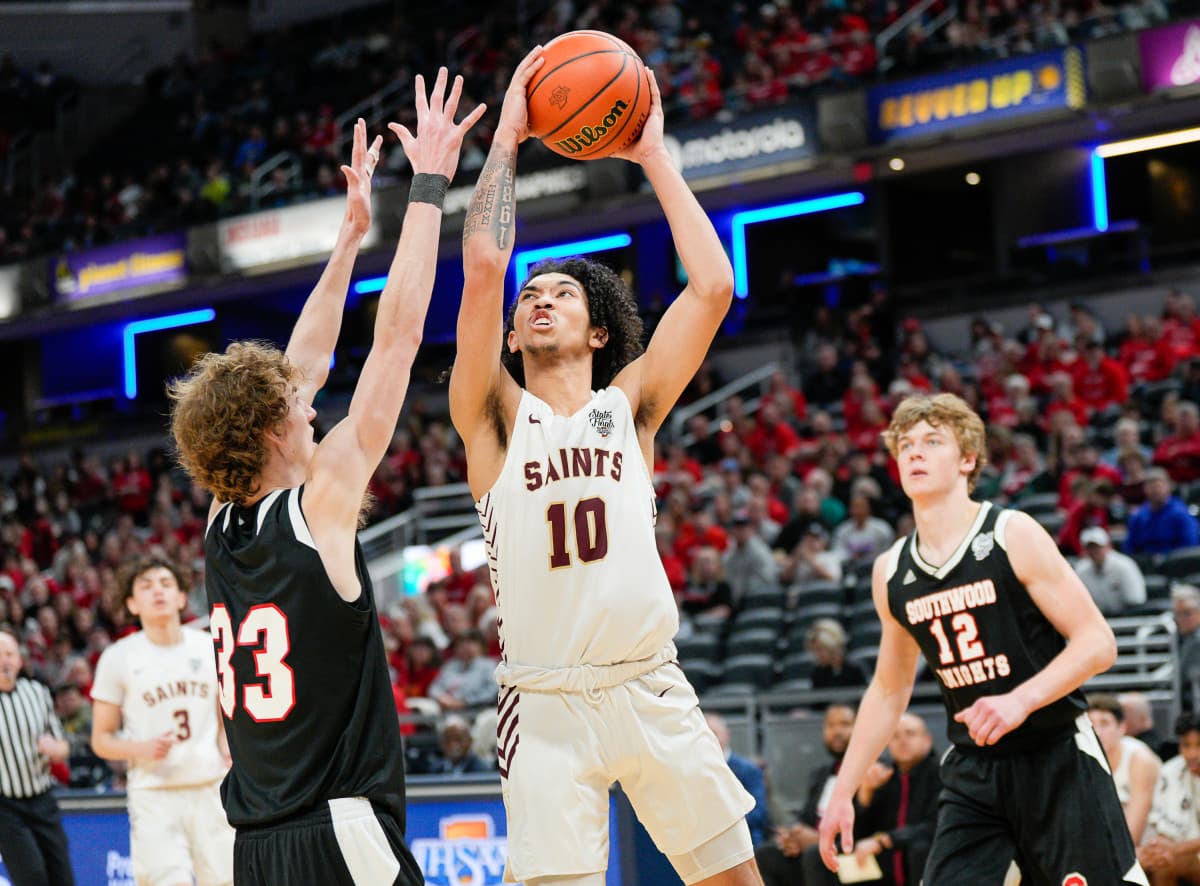
As teams across Indiana head into sectionals and regionals, the margin for error shrinks and practice time becomes decisively literal. Coaches I spoke with want players spending hours on live-feel repetitions that directly translate to late-game stops, putbacks and free throws; the eight drills below pair purpose with execution cues and clear weekly frequency so practices hit postseason priorities.
Closeout, contest and boxout Purpose: Prevent open 3s while securing the defensive rebound, the two possessions most likely to swing a close sectional or regional game. Execution cues: Sprint under control to close the gap, plant outside the shooter’s line of vision, show an upright contest with hands vertical and eyes on the hip to avoid fouling, then immediately locate and secure the nearest rebound with two hands and strong hip contact. Practice the sequence at game speed with a rebound tag every rep so the closeout ends in contact and responsibility. How often: 3 times per week, incorporated into team defensive time and small-group rotations. Repeat the closeout-to-boxout sequence in three 4-minute competitive blocks per practice to simulate fatigue.
Pick-and-roll reads and weak-side recovery Purpose: Turn a common scoring set into a defensive advantage by teaching guards and bigs the exact read-responsibilities that prevent drives and contested roll finishes. Execution cues: Ball-handler force principles, on-ball defender shows and slides to prevent middle penetration, screener’s defender hedges no more than two steps then recovers to the hip, help defender drops to the paint line and communicates the roll. Finish each rep with a recovery sprint to the weak-side corner and an immediate closeout on the shooter. How often: 2 to 3 times per week, with at least 20 live reps per session against a coach-controlled offense. Add a six-on-six period at the end of practice focusing solely on pick-and-roll defense to build conditioning and pattern recognition.
Late-clock creation and isolation quick-hits Purpose: Produce clean looks when the shot clock or game clock forces quick decisions in sectionals and regionals. Execution cues: Start with a 7-to-0 progression where the offense works two dribble pull-ups, a step-through drive, and a kick to the corner within six seconds; defenders must force the ball baseline and contest without fouling. Add a rhythm component: every rep is timed, and the shooter must execute within two seconds of receiving the ball on catch-and-shoot situations. How often: 3 times per week, with the final 10 minutes of practice dedicated to late-clock scenarios, alternating live defense and scripted reads so players internalize tempo and spacing under pressure.
Free-throw pressure simulation Purpose: Turn free throws from a weakness into an expected source of late-game points that can decide sectional matches. Execution cues: Simulate crowd noise level and high-leverage scenarios: last-possession makes, down-two with 8 seconds, and intentional fouls. Keep shooters on a rotation so each player attempts at least 20 free throws in pressured sequences and tracks makes under simulated fatigue. How often: Daily, 5 to 10 minutes at the end of each practice plus a focused session twice a week where misses carry immediate consequences in competitive scrimmages. Progressive pressure increases conditioning and mental stamina.
Shell defense with communication emphasis Purpose: Build a fail-safe defensive structure for regionals where teams face multiple offensive styles in quick succession. Execution cues: Define help distances in feet for each rotation, name the help when it’s coming, and drill the closeout-drop-recover cycle until it’s automatic. Use a visible clock or count structure so every defensive rotation is compressed into two seconds from initial penetration. How often: 3 times per week in half-court shell sessions, with one session per week dedicated entirely to communication drills that replace live offense with fast-read cues to sharpen voice and spacing under tournament noise.

Transition spacing, outlet accuracy and defensive rebound outlet Purpose: Convert rebounds into easy baskets and force opponent shot-clock resets in the rapid exchanges that often decide sectional games. Execution cues: Coach the rebounder to secure, pivot, find the primary outlet within one second, then push at the rim lane with two filling wings and a trailer. Emphasize chest-first outlets and one-step passes to the ballhandler; practice finishing at the rim on the dribble drive rather than contested runners. How often: 4 times per week, including 5-on-0 outlet-to-rim runs and 3-on-2 continuous drills. Make the first pass-to-push the metric: measure and improve average outlet-to-basket time across sessions.
Post-entry feeds, turn-and-face and offensive rebounding Purpose: Maximize scoring chance percentage in half-court sets where opponents collapse and foul late in sectionals and regionals. Execution cues: Teach the post player to secure the ball, establish pivot foot, make the correct turn-and-face to keep spacing, then attack the baseline or kick depending on help; immediate rebounders must crash in lanes predetermined by the coach and box out the nearest threat before pursuing the ball. How often: 2 to 3 times per week in a mix of live post work and situational five-on-five sequences. Track offensive rebound rate in practice scrimmages so repetition targets align with measurable gains.
Situational scrimmages with clock, foul management and substitution patterns Purpose: Practice the exact decisions coaches and players will make under sectional and regional pressure, from intentional fouls to inbound timing and substitution cadence. Execution cues: Script scenarios such as down-one with 14 seconds, up-two with intentional fouls left, and being down three with two fouls to give. Run these at game speed with official clock management, forced substitutions, and a coach assigned as the timekeeper to replicate officiating stoppages and timeout usage. How often: Twice per week, using the final 20 minutes of practice for multiple distinct scenarios. Rotate who runs the game clock so players experience the sound and cadence of live officiating; end each scenario with a short coaching review to reinforce decisions that saved or cost possessions.
The postseason is about the small differences: a contested 3, a secure outlet pass, a free throw made with breathing control. Indiana coaches are prioritizing these eight coach-tested drills so teams enter sectionals and regionals with repetition that maps directly to the plays that decide wins. Spend practice minutes like possessions in a tournament game and the payoff should show on the scoreboard where margins are tight.
This article was produced by Prism’s automated news system from verified source data, official records, and press releases, then run through automated quality and moderation checks before publishing. The system is built and supervised by the people who set the standards it runs under. Read our full AI policy.
Did this article answer your question?