IBCA shootouts and coaches clinic fuel Indiana basketball development
Indiana coaches are using shootouts and clinics to sharpen pace, spacing and teaching before winter, with Mt. Vernon central to the IBCA calendar.

The Indiana Basketball Coaches Association’s Shootouts & Coaches Clinic is more than a summer stop. It is a window into what coaches across the state are trying to solve before the first practice in November, from faster pace and stronger player development to better teaching in the half court.
The IBCA has built that work into a wider events-and-registration structure, with “Shootouts, Camps, & Coaches Clinics” as a defined category on its site. That matters in a state where coaching education is part of the basketball infrastructure itself, and where the IBCA leadership list includes Marty Johnson, Tom Beach, Steve Witty, Michael Adams, Kaley May, Lisa Finn and Kristi Sig.
Why shootouts still matter in Indiana
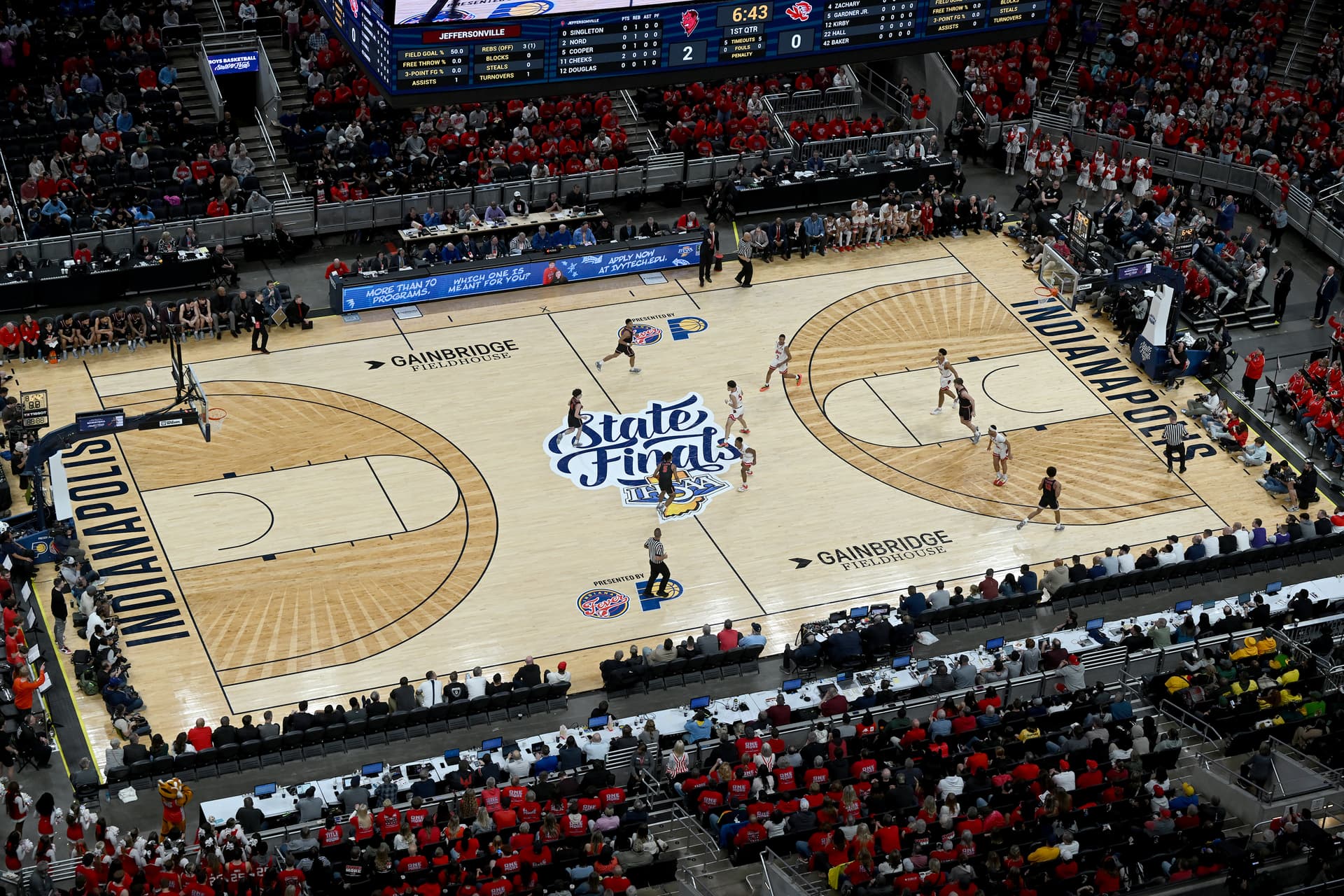
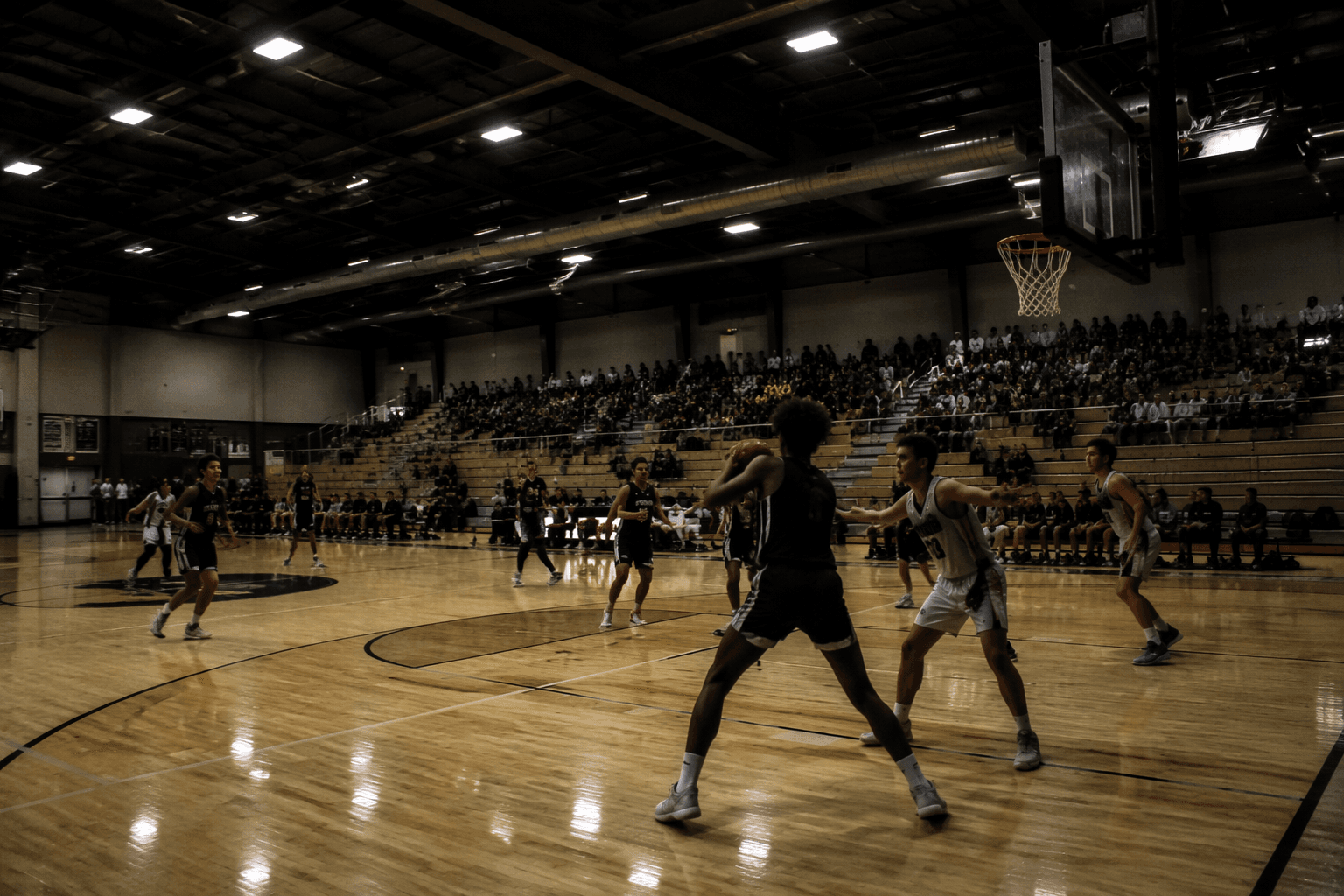
Shootouts remain a staple of the Indiana summer calendar because they do what regular-season schedules cannot always provide. Teams get unfamiliar opponents, different styles and live reps that expose how a roster handles pace, physicality and adversity without the pressure of sectional play hanging over every possession.
For coaches, that makes the shootout a useful stress test. It shows whether a team can defend in space, whether rotations hold up against pressure, and whether the group can respond when the tempo changes from one game to the next. For players, it is a direct audition for growth, especially for younger guards and wings who need to show they can make decisions against real competition.
That is also why the format is useful beyond wins and losses. The game is still the same at its core, but the questions are different in June, July and the fall than they are once the winter schedule starts. Coaches want a read on pace, decision-making and whether the skills they have spent months teaching actually show up against unfamiliar jerseys.
What the clinic side is teaching coaches
The clinic half of the IBCA offering serves a different job. It gives coaches a place to trade ideas, talk strategy, share drills and compare notes on the details that decide a season, including offensive structure, defensive principles, skill development, strength training and leadership culture.
That exchange is especially valuable in Indiana, where fundamentals are still a baseline expectation but not the full answer anymore. Modern high school basketball now demands adaptability, and the clinic format gives staffs a chance to talk through how to prepare athletes for the next level without losing the discipline that has long defined the state game.
The IBCA’s 2026 clinic materials underline that approach. The clinic was set for April 23-24 at Mt. Vernon (Fortville) and was billed as a Thursday-Friday format, a clear sign that the association treats coaching education as an organized, multi-day event rather than a casual gathering. The same materials highlighted Roger Powell Jr. of Valparaiso University, Tricia Cullop of the University of Miami and Brian Wardle of Bradley University, plus three other college coaches.
That speaker mix tells its own story. The IBCA is not limiting the conversation to one style or one level of basketball. Instead, it is bringing in coaches who work with different rosters, different conference demands and different tactical environments, which gives Indiana high school staffs a broader view of how the game is being taught at the next stop.
Mt. Vernon’s role on the IBCA calendar
Mt. Vernon High School in Fortville has become an important anchor point for the IBCA clinic calendar. The 2025 IBCA Clinic was set for April 24-25 at Mt. Vernon High School in Fortville, with doors opening at 4:30 p.m. on Thursday, April 24 and sessions running until about 8:45 p.m.
That schedule shows how tightly built these coaching events are. The format leaves little wasted time, and the fact that it is hosted at a specific Indiana high school venue helps keep the instruction rooted in the same environment coaches work in every day. The 2026 clinic photo album later confirmed that the April 23-24 event took place at Mt Vernon (Fortville) HS, reinforcing that the site remains part of the association’s regular map.
The repetition at Mt. Vernon also says something about how the IBCA operates. This is not a one-off clinic thrown together for the sake of filling a calendar. It is part of a steady development cycle, one that ties together event planning, coach education and the practical realities of running a program across an entire state.
The tactical details that filter back to winter
The 2026 clinic materials also pointed to the kind of basketball ideas the IBCA wants in the room. A photo album page referenced a Jake Diebler video titled “5-Out Offense & Starter Actions,” which was promised at the clinic. That is not accidental language. Five-out spacing has become one of the clearest signs of how the game has evolved, and it is exactly the kind of system topic that high school coaches want to study when they are deciding how to build offense around personnel.
Those technical lessons filter back into the winter schedule in obvious ways. If a staff spends the spring and summer studying spacing, pace and starter actions, that affects how the team opens possessions, which players handle the ball and how the group manufactures shots late in the shot clock. It also shapes player development, because skill work has to line up with the offensive and defensive demands coaches plan to use.
The presence of Roger Powell Jr., Tricia Cullop and Brian Wardle alongside the Diebler material gives the clinic both breadth and specificity. Indiana coaches are not just hearing broad philosophy. They are getting direct exposure to schemes and teaching methods that can be adapted for high school players, which is exactly the kind of detail that can shave mistakes off a roster by January.
What the IBCA is preserving
The broader lesson is that Indiana’s basketball culture still runs through its coaching network. The IBCA’s site combines shootouts, clinics, historical listings and membership resources, which turns the association into more than an event host. It functions as a statewide professional hub, where coaching habits are shared, refined and passed along.
That is how the tradition sustains itself. Shootouts challenge teams to solve problems in live settings, clinics help coaches sharpen the teaching, and the same institutional structure keeps those two worlds connected year after year. When the winter schedule arrives, the quality fans see on the floor is often the product of that quiet work done long before the first tip.
This article was produced by Prism’s automated news system from verified source data, official records, and press releases, then run through automated quality and moderation checks before publishing. The system is built and supervised by the people who set the standards it runs under. Read our full AI policy.
Did this article answer your question?