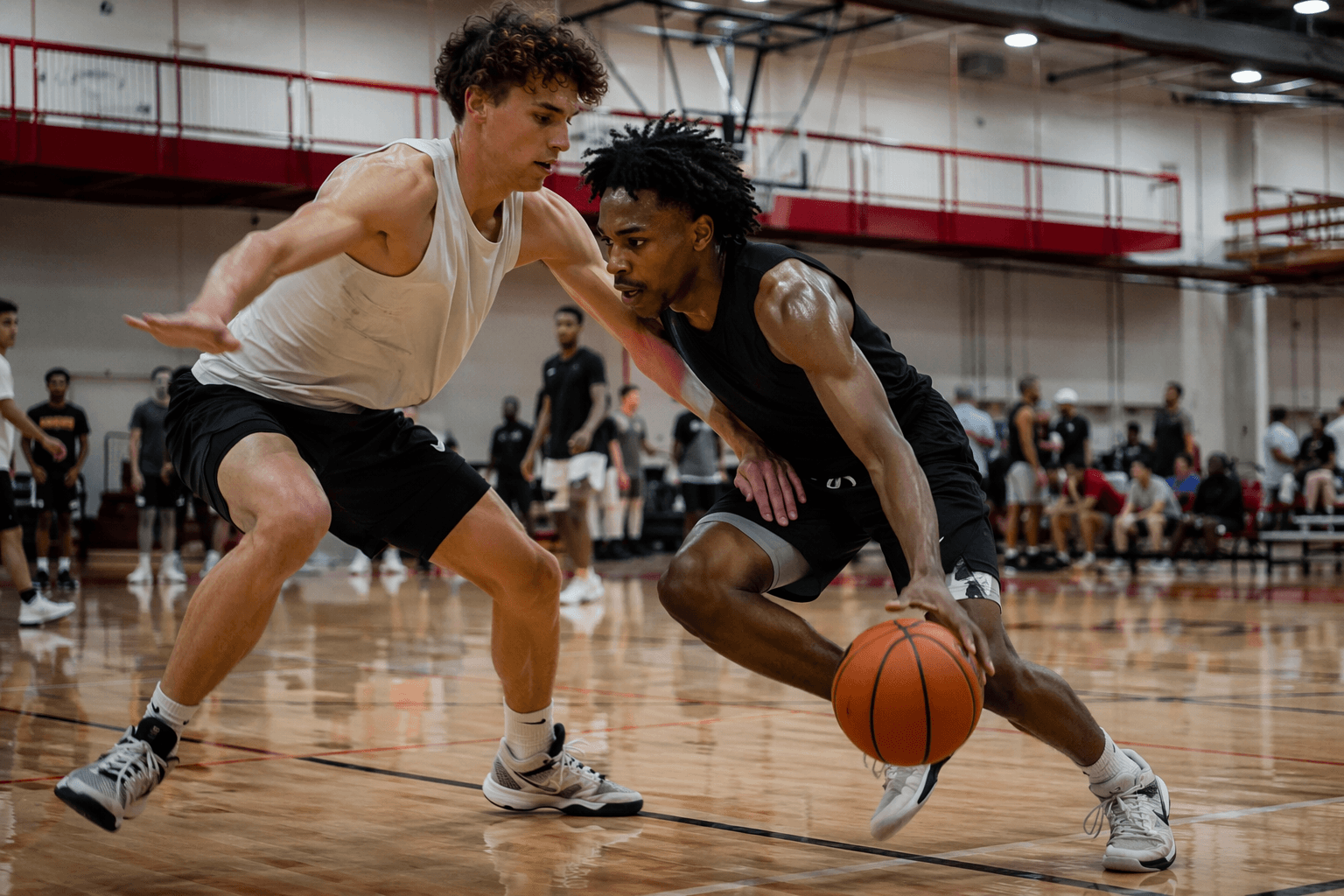
Indiana All-Stars Week showcases state's top seniors and rising talent
Indiana All-Stars Week turns a small senior class into the public face of Hoosier basketball, with 10 games that stretch from Futures to the Fieldhouse.
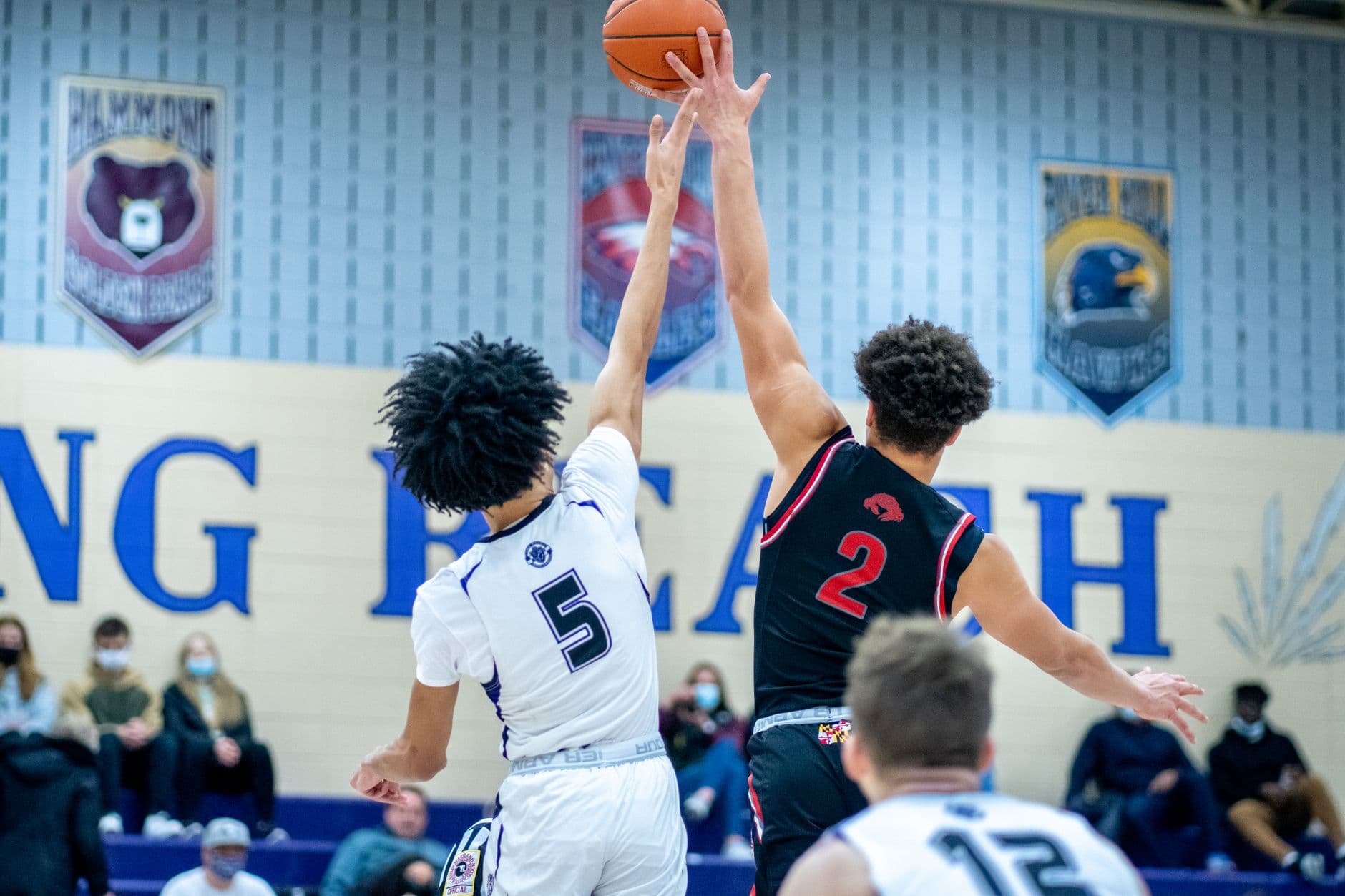
Indiana All-Stars Week is where the state’s basketball pipeline becomes visible in public. A select group of seniors is asked to carry Indiana’s identity into a home-and-home series that has run every summer since 1940, giving the event the kind of continuity that turns a short series into a lasting rite of passage.
Why the week matters
The Kentucky-Indiana boys and girls All-Star series is one of the oldest continuously running high school all-star events in the country, and that history gives every game more weight than a normal summer exhibition. It is not just a stop on the offseason calendar; it is the moment Indiana formally presents its top graduating players as statewide ambassadors, a handoff from local stardom to regional visibility.
That matters because reputation in Indiana basketball is built in layers. A player’s high school season creates the résumé, but All-Stars Week places that résumé in front of a broader audience, alongside the Kentucky rivalry and the state’s own legacy rituals. For seniors, the week becomes a public marker of status: you are no longer just an all-conference player or a sectional standout, you are part of the state’s official basketball story.
The format that makes it bigger than one game
The week’s structure shows why it has become such an effective showcase. The official 2026 schedule includes 10 matchups, not just one headline game, and that design pulls the event out of the category of a simple all-star night. Indiana Juniors face Kentucky Juniors, Futures Games are staged for freshmen and sophomores, a Junior-Senior All-Star game adds another layer, and the senior series closes with a Friday game in Kentucky before the Saturday doubleheader at Gainbridge Fieldhouse in Indianapolis.
That layered setup matters for evaluation and for image. The Futures Games put younger players into the same spotlight that the seniors enjoy, which helps the week function as a live snapshot of the state’s next wave as well as its finishing class. The Junior-Senior All-Star game reinforces the pipeline idea even more clearly: Indiana does not just celebrate the top end, it stages a continuous handoff from one class to the next.
The Friday-Kentucky, Saturday-Indianapolis rhythm also gives the event a travel-and-return feel that fits the rivalry. One side of the series plays on home soil, then the spotlight shifts back to Indiana’s biggest stage at Gainbridge Fieldhouse, where the senior doubleheader turns the capstone into a downtown showcase.
How the state builds the showcase
Indiana does not leave this week to chance. The program is managed by the IBCA and supported by The Indianapolis Star, Energy Systems Group, and Hoosier Shooting Academy, a combination that signals organization, media reach, business backing, and developmental credibility. That support structure tells the same story as the schedule itself: this is not a loose summer pickup event, but a coordinated statewide presentation.
The event’s official framing also makes the public purpose clear. The Senior All-Stars Program says the capstone exists to honor Indiana’s top graduating seniors and showcase them on a big-stage platform before they move on. In practical terms, that means the week becomes a visibility engine for players who are about to leave high school basketball behind and take the next step in college or beyond.
That visibility is part of the point. In Indiana, basketball status is not only earned in gyms during the winter; it is reaffirmed when the state organizes a ceremony around it. By combining seniors, juniors, and younger prospects, All-Stars Week creates a full-spectrum display of what Indiana thinks its basketball ladder should look like.
What the legacy means for recruiting and reputation
Because the series has been played every summer since 1940, it carries institutional memory that newer showcase events cannot match. That longevity matters for reputation: players are not just filling a roster spot, they are entering a lineage that includes generations of Indiana seniors who have been handed the same public recognition. The event’s age, continuity, and rivalry format make it part history lesson and part audition.
For recruiting visibility, the effect is simpler and more immediate. A statewide stage at Gainbridge Fieldhouse, paired with a Kentucky series and a junior-futures structure, places talent in front of the people who already treat Indiana basketball as a community-wide reference point. That kind of concentrated attention can sharpen how a senior is viewed, especially when the week gathers multiple age groups into the same spotlight instead of isolating one class.
The broader social value is just as important. Indiana basketball has always been about more than wins and losses, and All-Stars Week shows that clearly by turning recognition itself into a public event. The state honors its top seniors, introduces rising underclassmen, and reaffirms the border rivalry that has helped define the sport’s culture for decades. It is a single week, but it operates like a yearly declaration of what Hoosier basketball rewards, remembers, and passes on.
This article was produced by Prism’s automated news system from verified source data, official records, and press releases, then run through automated quality and moderation checks before publishing. The system is built and supervised by the people who set the standards it runs under. Read our full AI policy.
Did this article answer your question?