Indiana coaches back 35-second shot clock as proposal heads to IHSAA
Indiana coaches favored a 35-second shot clock in an IBCA survey, and the proposal - including full resets after offensive rebounds - now moves to IHSAA review.
A clear majority of responding Indiana coaches backed a 35-second shot clock in a survey conducted by the Indiana Basketball Coaches Association, and the IBCA has formally presented a proposal that would reset the clock to a full 35 seconds after offensive rebounds. The proposal was presented to the Indiana Interscholastic Athletic Administrators Association last week and is scheduled for consideration by the IHSAA executive committee on Feb. 20, with a board of directors vote set for May 4.
The IBCA survey found 68 percent of responding coaches favor adding a 35-second shot clock, and the group achieved a 77 percent response rate. "To get 77% response is really a good number," Johnson said. "There is a lot of interest in this topic. We did not have much discussion about it prior to sending it out to the coaches, but the discussion has gone on more since then." IHSAA assistant commissioner Brian Lewis said, "We are listening to the coaches association and then will evaluate with our board."
Under the IBCA plan the shot clock would be mandated for varsity games initially, while freshman and junior varsity use could remain optional. The proposal explicitly calls for no partial resets on offensive rebounds, meaning the clock would return to a full 35 seconds after an offensive board. Proponents argue the change would align high school play with college and professional timing, reduce "stall ball" tactics, and limit games devolving into fourth-quarter free-throw contests. Opponents and administrators point to equipment costs, the need for a clock operator at each game, and training for officials as significant hurdles.
Operational questions are already surfacing. "I don't know who would be in charge of running that," Hidalgo said. "You will need someone operating the shot clock. You had to have somebody to run it. How's that going to work? Setting the time right, resetting after the shot. That's a good question. We don't know that yet." The National Federation of State High School Associations laid out technical guidance when it approved state-by-state adoption in 2021, noting the need for two connected timepieces with a distinctive horn and contingency plans for malfunctions. That guidance was later softened to suggested, not mandatory, procedures and allowed states discretion over certain reset rules.

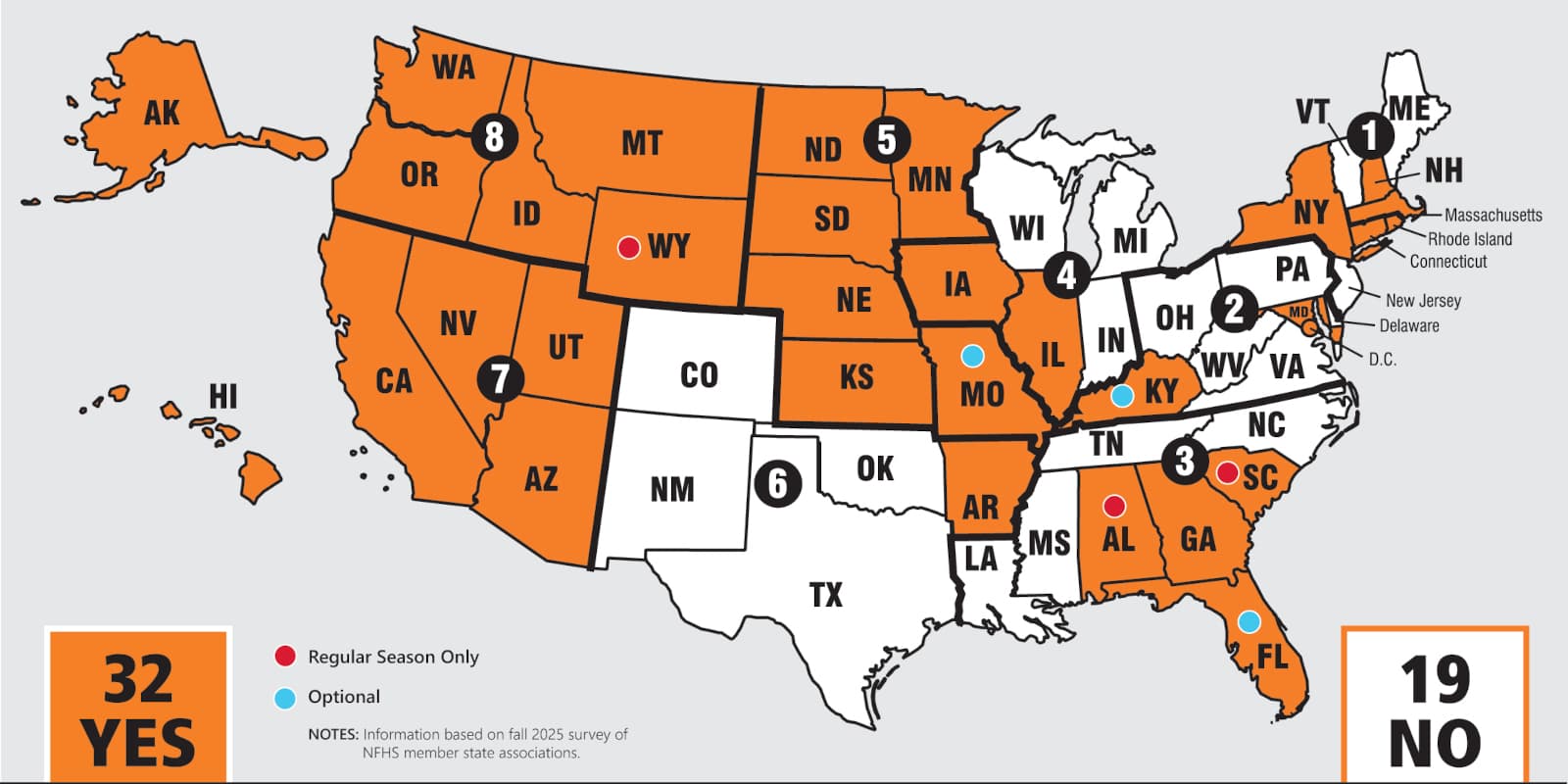
The debate in Indiana follows a broader national trend. Courierpostonline reported that 31 states have adopted a shot clock in whole or in part, while Sports Illustrated noted many Western states already use a clock and identified several Mid-Atlantic holdouts. SI also flagged a parallel proposal to introduce an 80-second shot clock in high school lacrosse, with John Beisser mentioned in that context.
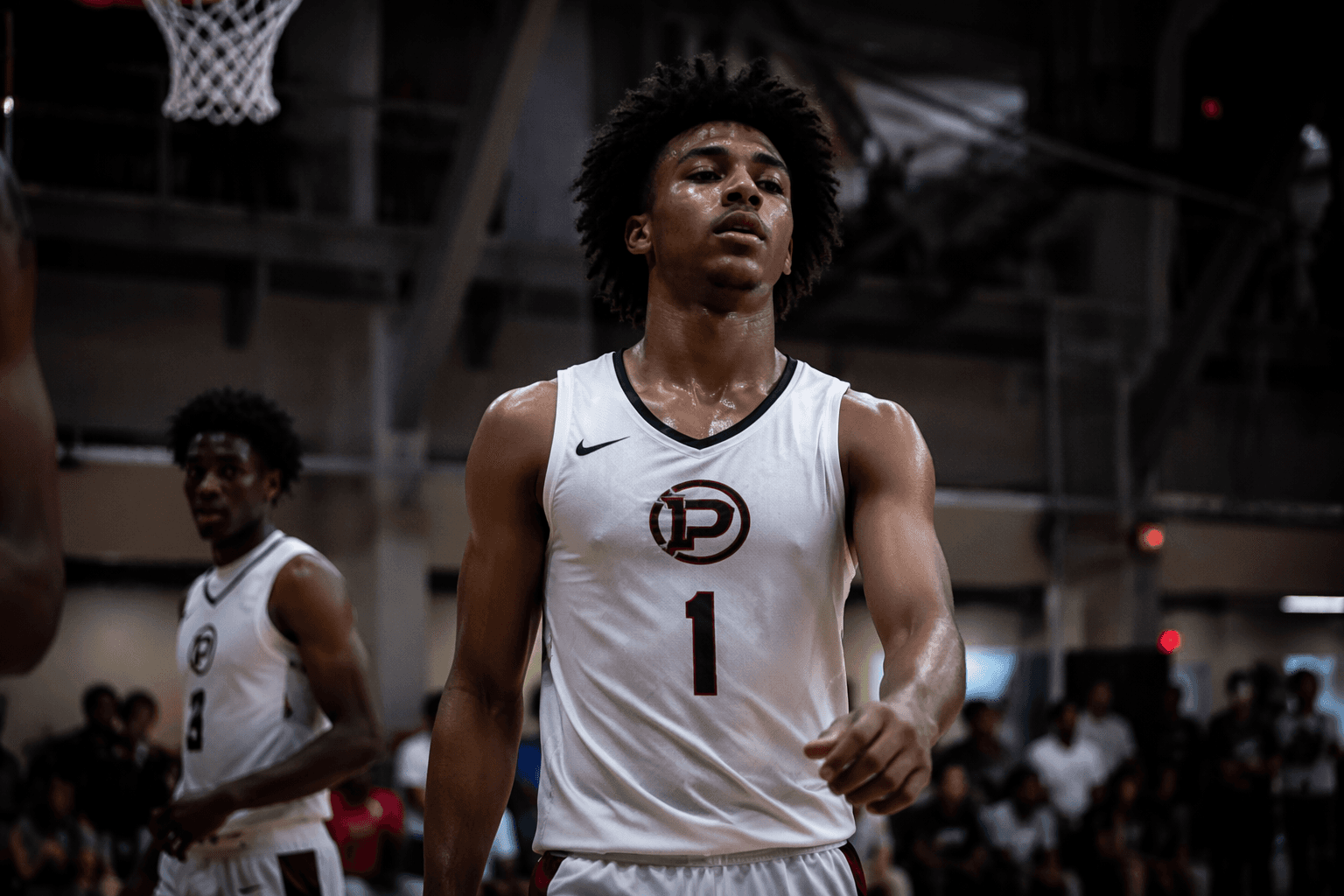
On-court implications are immediate for players and coaches. Perimeter shooters such as Camden senior Alex Pace, who hit four 3-pointers in a 73-70 road win at Lenape on Jan. 22, 2026, stand to benefit from a faster pace and more possessions. Coaches will have to recalibrate late-game strategy, substitution patterns, and offensive sets to a rigid shot-clock cadence.
Next steps include sectional meetings of athletic directors in March to vet costs, administration, and training concerns ahead of the May 4 vote. If approved, timelines remain unclear; one report projects implementation in 2026-27 while another suggests varsity adoption in 2027-28 to give schools roughly two years to prepare. For Indiana fans and local athletic departments, the vote will determine whether the state's high school hardwood shifts toward a faster, more standardized model or whether logistical barriers will delay the change.
This article was produced by Prism’s automated news system from verified source data, official records, and press releases, then run through automated quality and moderation checks before publishing. The system is built and supervised by the people who set the standards it runs under. Read our full AI policy.
Did this article answer your question?