Indiana high school basketball success still starts with defense and discipline
Indiana’s quietest habits still make the biggest noise: defend, rebound, space the floor and stay composed, and a team can survive any bracket.
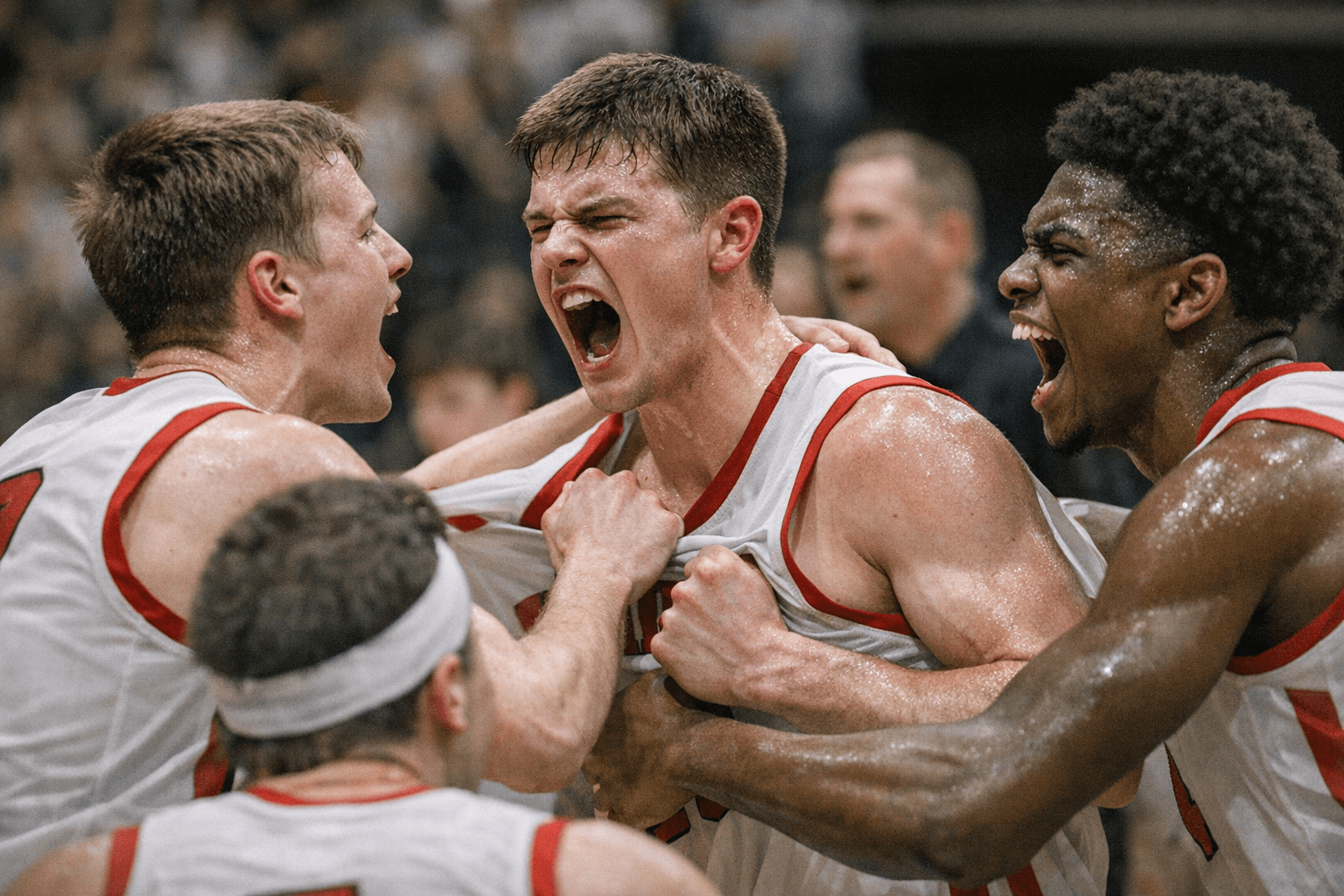
The old formula still travels
Strip away the rankings chatter, the recruiting buzz and the highlight clips, and Indiana high school basketball still rewards the same traits it always has: guard first, protect the ball, rebound with urgency and make enough shots to punish a defense that gets greedy. Those habits do not always go viral, but they travel from gym to gym, and that is why they keep showing up when sectional pressure tightens and state runs get real.
The debate around modern basketball often starts with flash, pace and athleticism. In Indiana, though, the more useful question is simpler: which “boring” traits still decide who keeps playing in March? The answer keeps pointing back to the teams that do the small things well enough to create their own margin, possession after possession.
Defense still sets the identity
Defense remains the clearest marker of what a team is trying to be. Many Indiana coaches still build around pressure on the ball, communication on switches and the ability to make opponents uncomfortable before they can even get into their offense. That kind of defense is not just about blocks or steals. It changes the rhythm of the game, forces awkward decisions and makes every clean possession feel earned.
That matters in high school basketball because pressure has a way of speeding young teams up. When a defense is organized and disciplined, it can turn that rush into mistakes, rushed shots and empty trips. The best defensive groups do not chase every gamble; they stay connected, help smartly and keep opponents from finding the easy rhythm baskets that can swing momentum in a hurry.
What disciplined defense actually looks like
A strong defensive team in Indiana usually does a few things well at once. It closes out without losing balance, switches communication cleanly and keeps the ball out of the middle where offenses tend to breathe easier. That discipline becomes even more important against experienced teams, where one lapse can turn into a layup, a kick-out three or a run that changes the entire night.
The key is that defense in this state is not treated as a single skill. It is a system of habits: pressure, positioning, help and recovery. When those habits are in place, even a less explosive roster can drag a game into the kind of possession battle that levels the floor and makes pure talent work harder.
Spacing and shot selection are the modern edge
Offensively, the best Indiana teams are blending old-school toughness with modern spacing and shot selection. Stretch the floor, and everything opens up a little more. Driving lanes get wider, post touches become more efficient and rebound positioning improves because defenses have to cover more ground.
Coaches are constantly trying to balance pace and efficiency. The best teams can run when the opportunity is there, but they also know how to execute in the half court, especially when a close game turns into a sequence of one or two decisive possessions. That half-court patience still matters because Indiana postseason basketball rarely gives a team a long runway to recover from a poor stretch.
The spacing piece is important because it is not just about taking threes. It is about creating room for everything else to work. A properly spaced offense can force a defense to choose between helping at the rim and staying attached on the perimeter, and that choice often determines whether a possession ends in a clean look or a scramble.

Rebounding and transition defense separate the serious contenders
Rebounding is one of those details that gets overlooked until a season ends because of it. In a state where sectional and tournament games can be physical and compressed, finishing possessions is a massive advantage. A team that rebounds with urgency does not just get one stop, it gets a chance to go back on offense before the opponent can reset.
Transition defense matters just as much. If a team gets back quickly after a shot, it removes one of the easiest ways an opponent can score. That becomes especially valuable late in the season, when fatigue and scouting reports make easy offense harder to find and every clean possession becomes more precious. The strongest Indiana teams tend to pair toughness with structure, which means players know where to be, when to help and how to turn a stop into a quality look on the other end.
That structure also helps explain why some teams can survive without a roster full of eye-popping athletes. They may not win every open-floor race, but they can control the terms of the game. In postseason basketball, that is often enough to keep a team within striking distance until the final minutes.
Composure is the hidden skill that keeps winning teams calm
Composure may be the least visible part of the formula, but it is one of the most decisive. Indiana teams that win big games usually have players who can handle pressure, communicate clearly and avoid emotional swings after a bad call or a rough stretch. That steadiness is rarely accidental. It usually comes from practice standards, senior leadership and a culture that values the next possession more than the last mistake.
This is one reason programs with no shortage of talent still come undone in the postseason. Raw ability can win a burst of game action, but composure keeps a team from spiraling when the game gets tight. The best teams stay connected after a missed shot, a turnover or a run from the other side, which is exactly what a sectional environment demands.
That mental steadiness also makes Indiana basketball so unpredictable in the best way. A team’s size classification or preseason reputation does not guarantee anything if it cannot handle stress. The programs that stay grounded tend to become dangerous precisely because they do not need perfect conditions to function.
Why the “boring” traits still decide the biggest games
Indiana has always respected team basketball over empty style, and that principle still shows up in the details that decide who advances. Guard without fouling. Finish possessions. Value the ball. Make the extra pass. Those are not glamorous traits, but they are the ones that hold up when the gym gets loud and the margin shrinks.
The state’s most reliable winners are usually the ones that combine discipline with enough offensive spacing to make a defense pay for overcommitting. They do not need every possession to be a highlight. They need a steady stream of good ones, enough defensive stops to control the pace and enough composure to keep the moment from getting too big.
That is the old Indiana formula, and it still works because it is built for the way sectionals are actually played. Flash can fill a feed. Discipline fills a bracket.
This article was produced by Prism’s automated news system from verified source data, official records, and press releases, then run through automated quality and moderation checks before publishing. The system is built and supervised by the people who set the standards it runs under. Read our full AI policy.
Did this article answer your question?